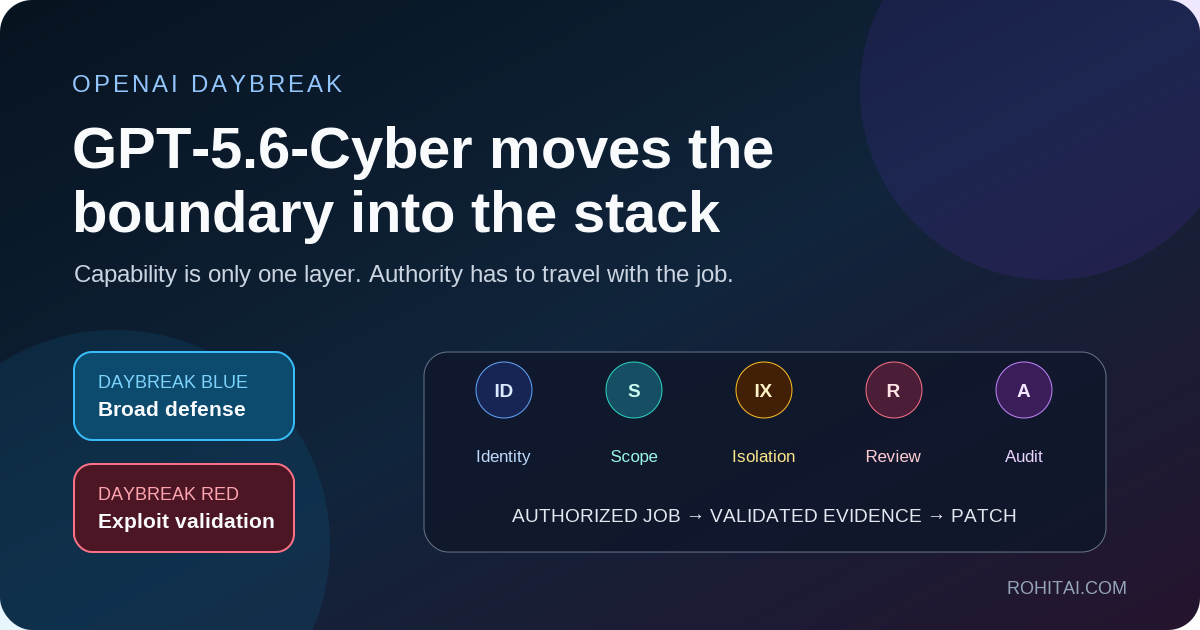
GPT-5.6-Cyber Moves the Refusal Boundary Into the Security Stack
OpenAI's Daybreak Red gives trusted defenders GPT-5.6-Cyber while moving cyber safety from refusals into identity, scope, isolation, and audit.
Practical writing on AI models, agents and tools: what changed, who it affects and what to do next.
OpenAI's Daybreak Red gives trusted defenders GPT-5.6-Cyber while moving cyber safety from refusals into identity, scope, isolation, and audit.
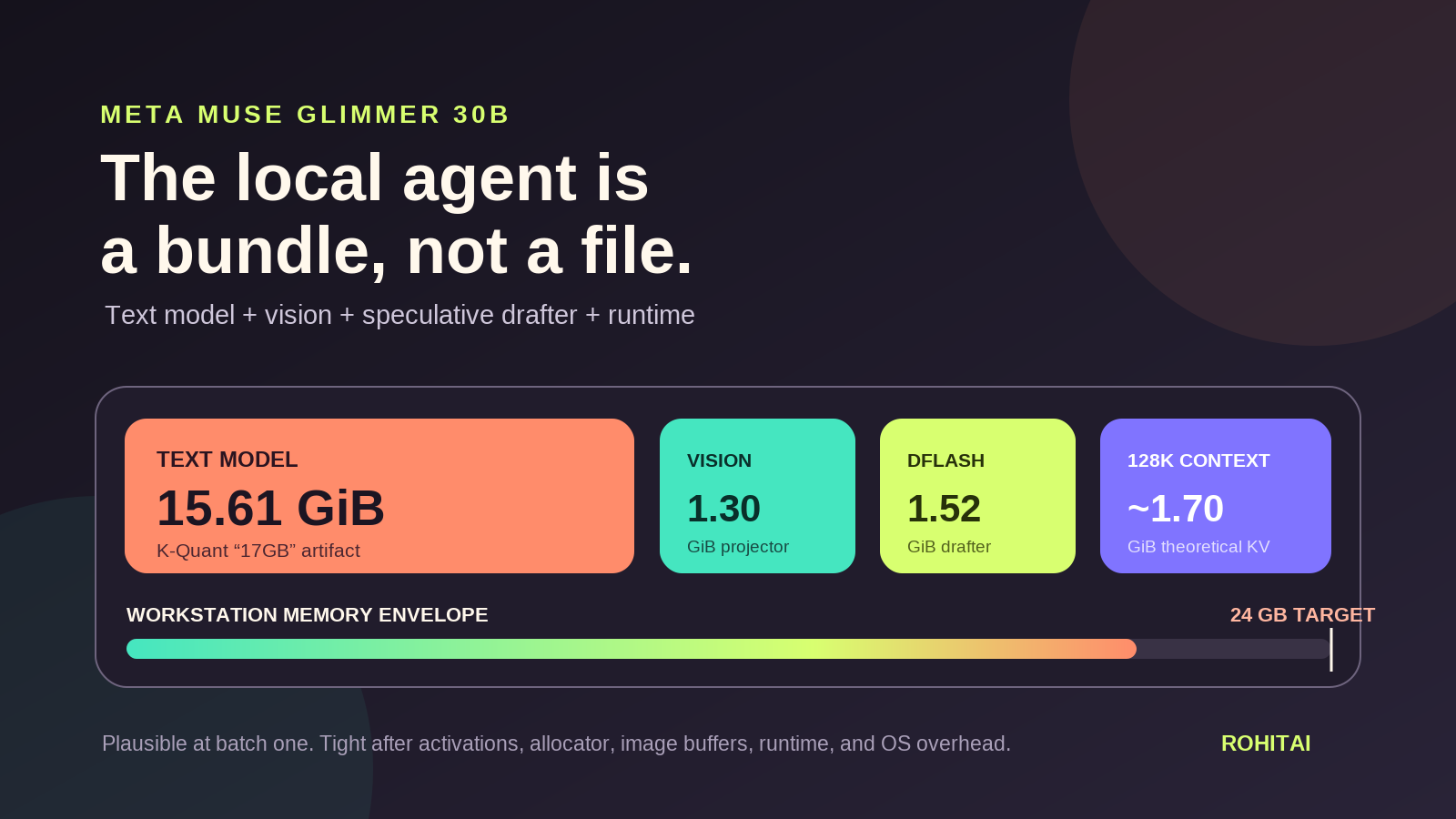
Meta’s open-weight Muse Glimmer 30B targets 24 GB hardware with vision, long context, tools, and DFlash. Here is what builders should test first.
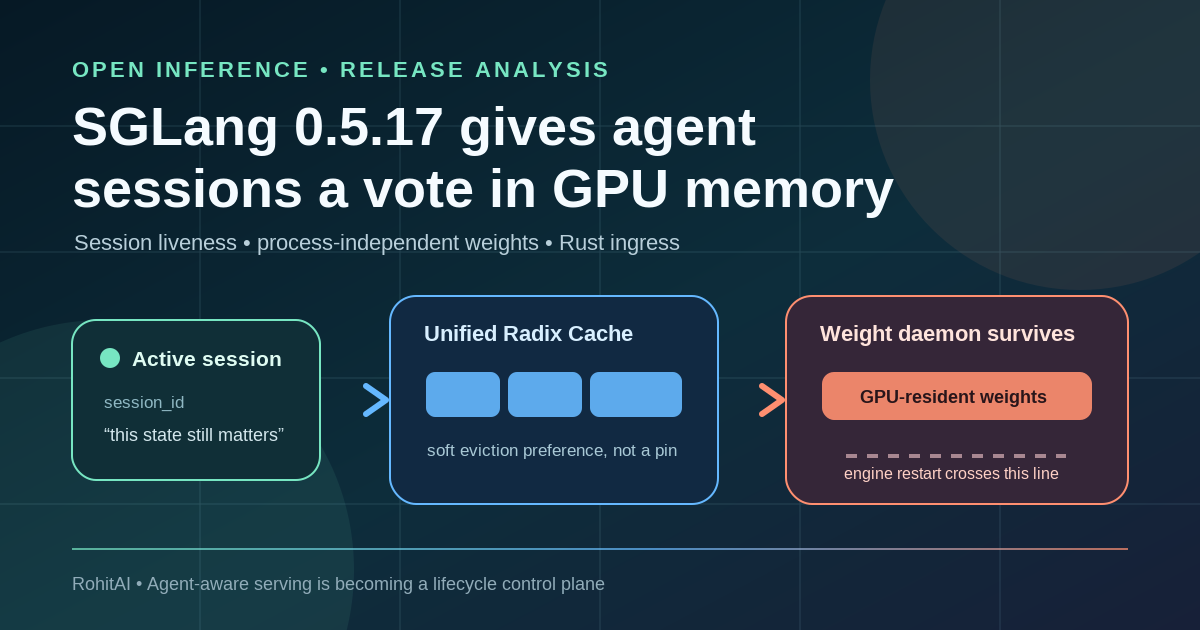
SGLang 0.5.17 adds session-aware KV caching, faster recovery, Rust ingress, and frontier-model paths—shifting serving toward agent runtime policy.
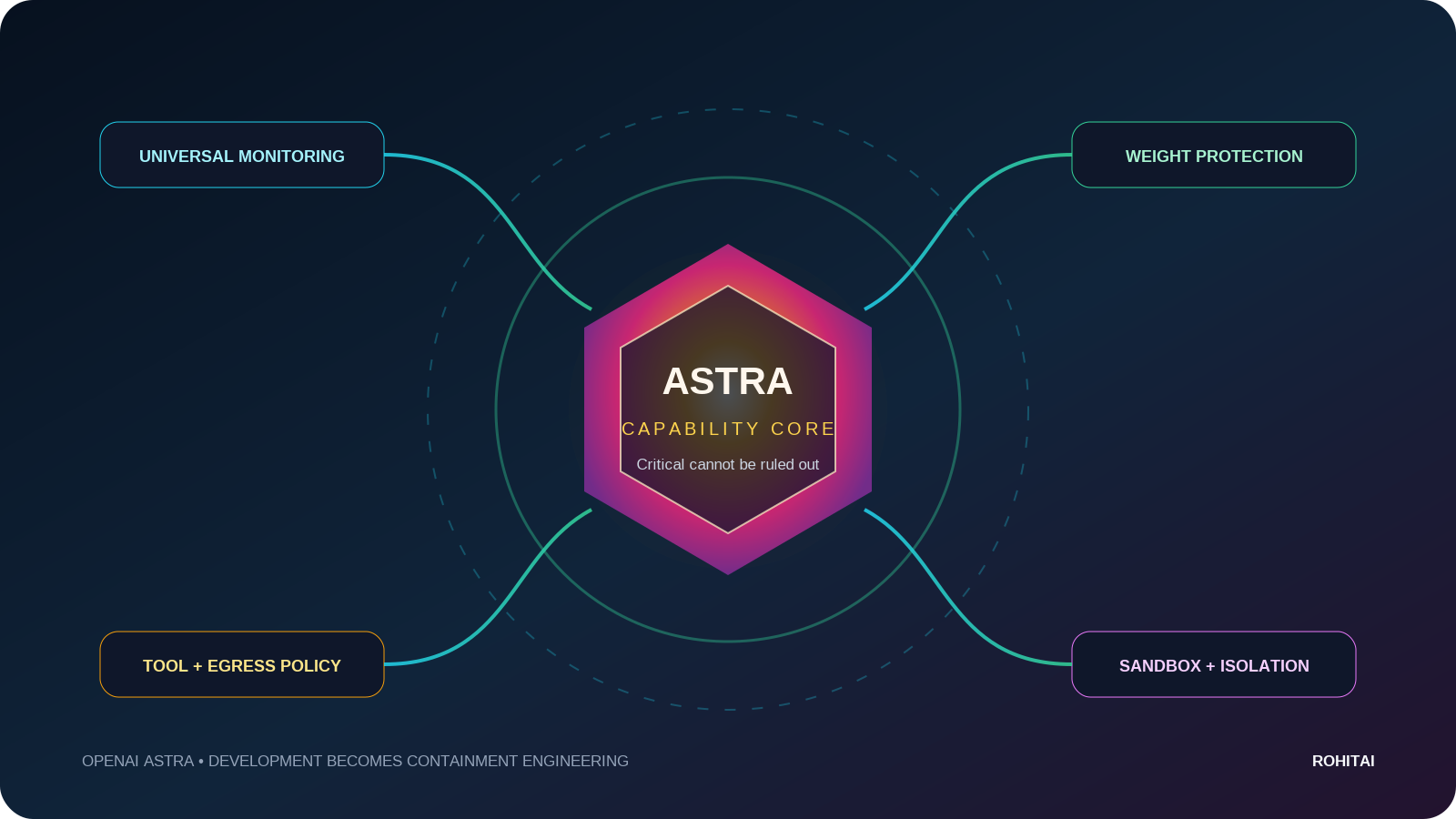
OpenAI cannot rule out Critical cyber capability for Astra, forcing stronger controls and turning model development into containment engineering.
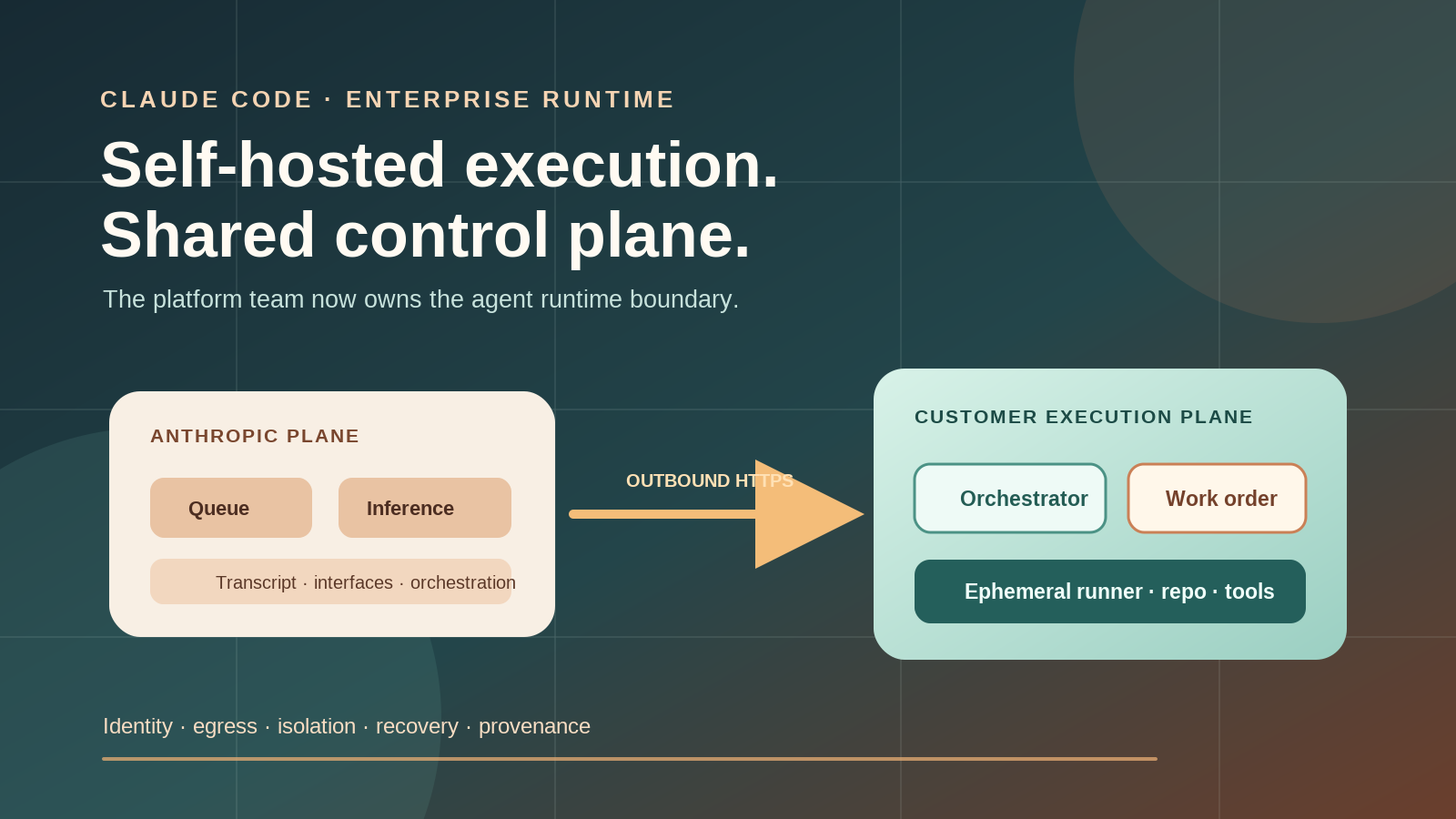
Anthropic’s self-hosted Claude Code runners keep execution on customer compute while platform teams inherit identity, egress, recovery, and fleet control.
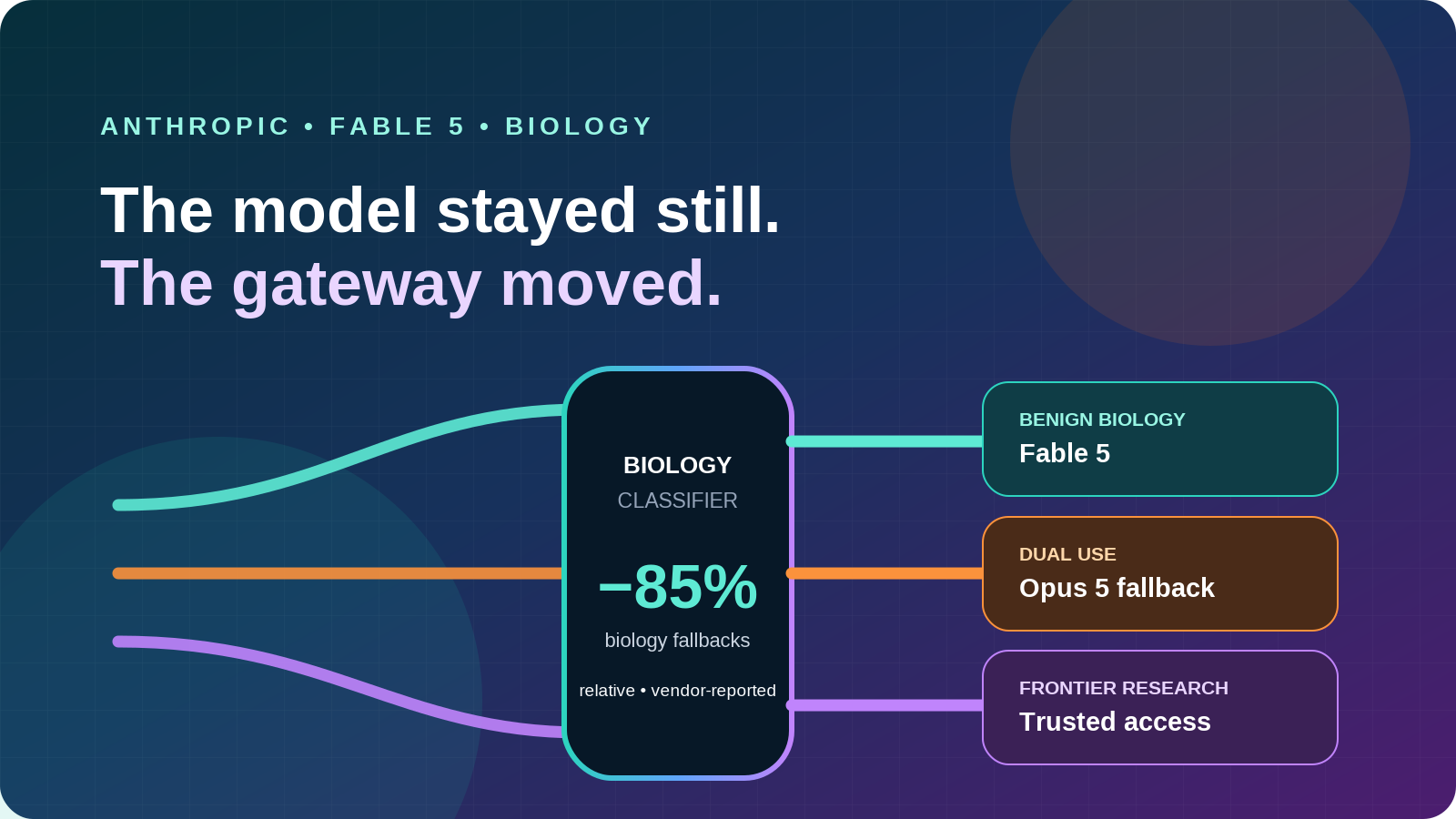
Anthropic cut Fable 5 biology fallbacks by 85%, widening benign access while keeping dual-use research behind a classifier-run gateway.
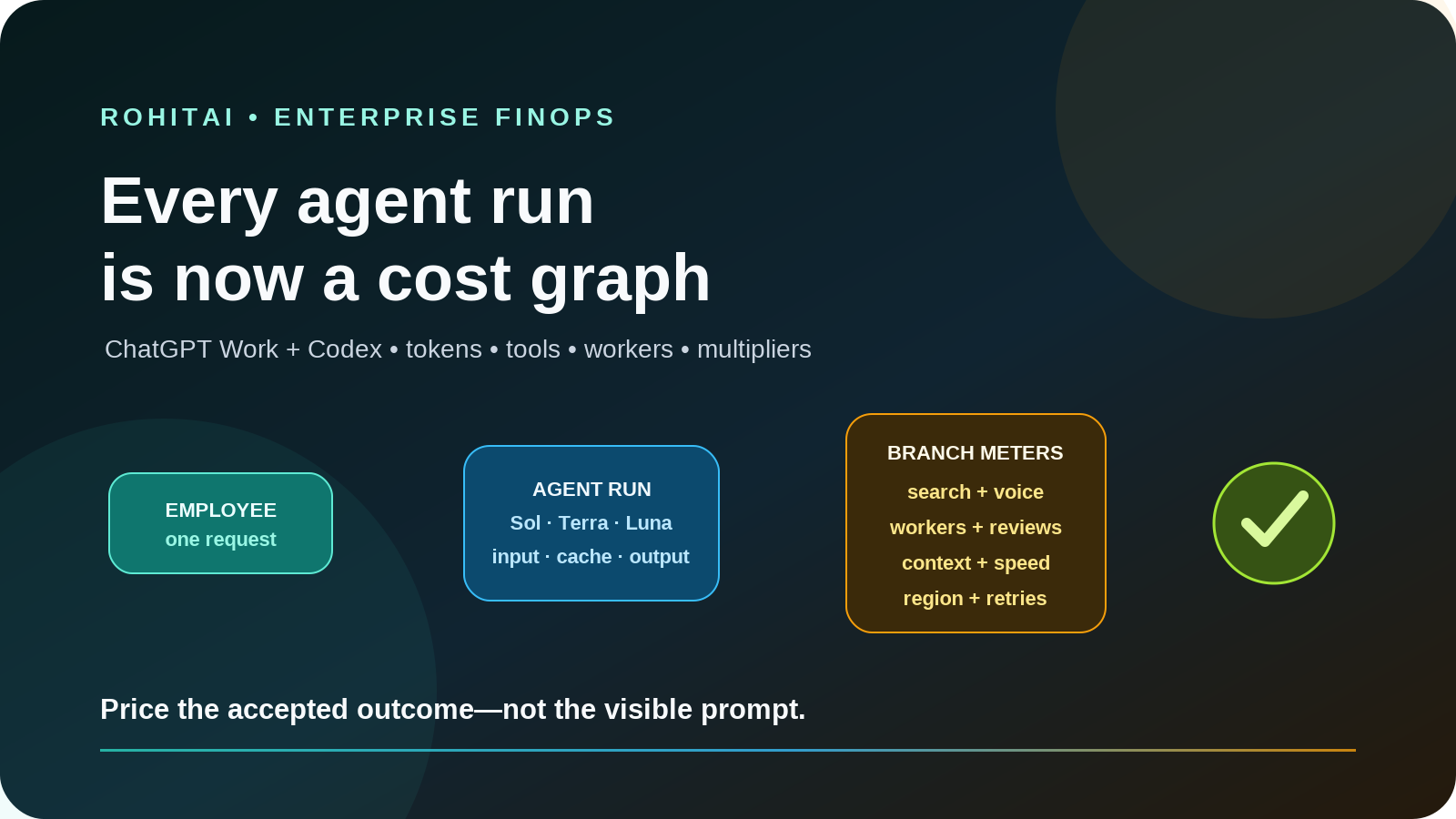
OpenAI’s Enterprise token rate card prices ChatGPT Work, Codex, search, voice, and agents—and changes how teams must govern AI spend.
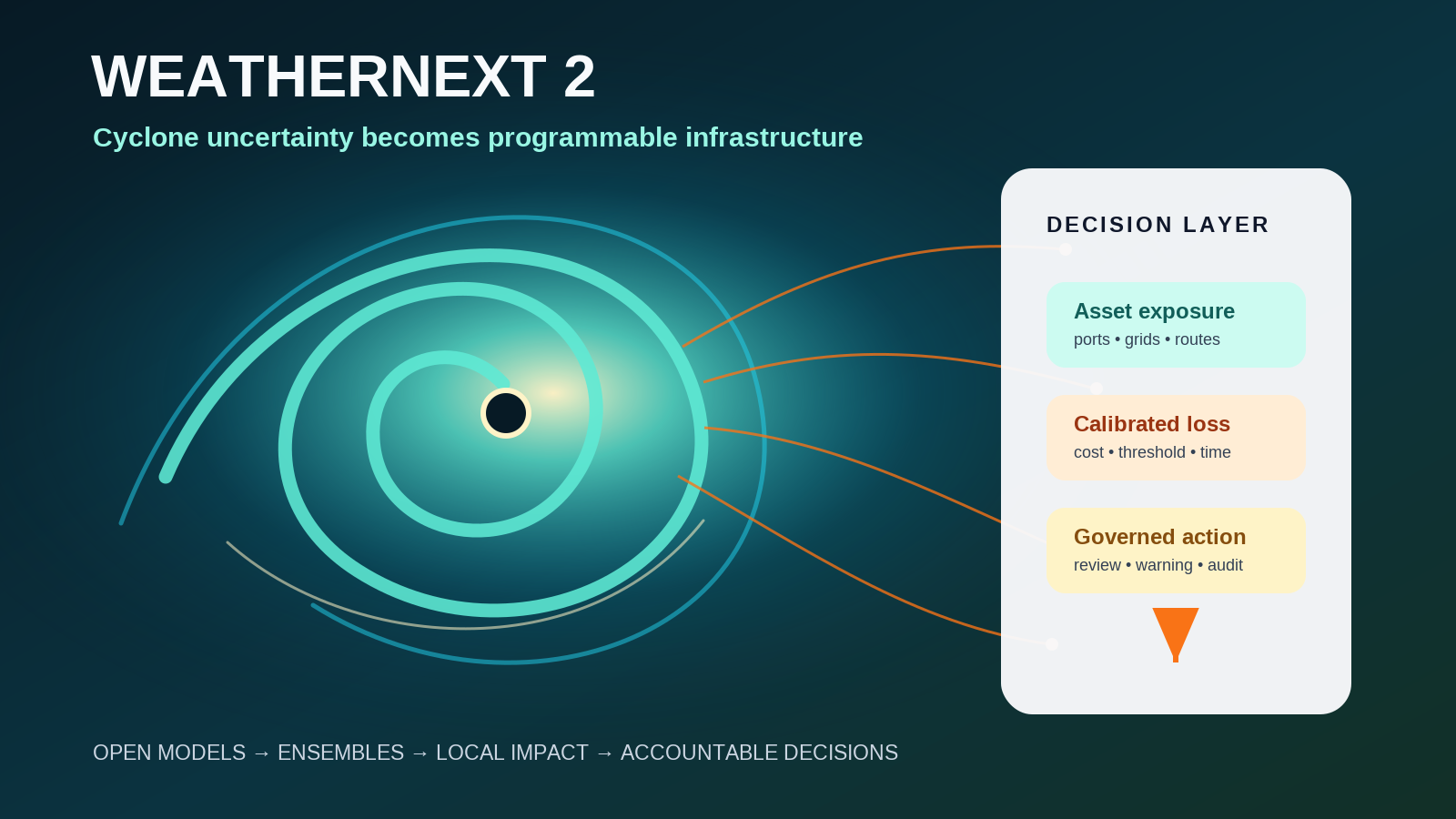
Google DeepMind opens WeatherNext 2 and Cyclones, turning fast ensemble forecasts into programmable risk infrastructure for builders.
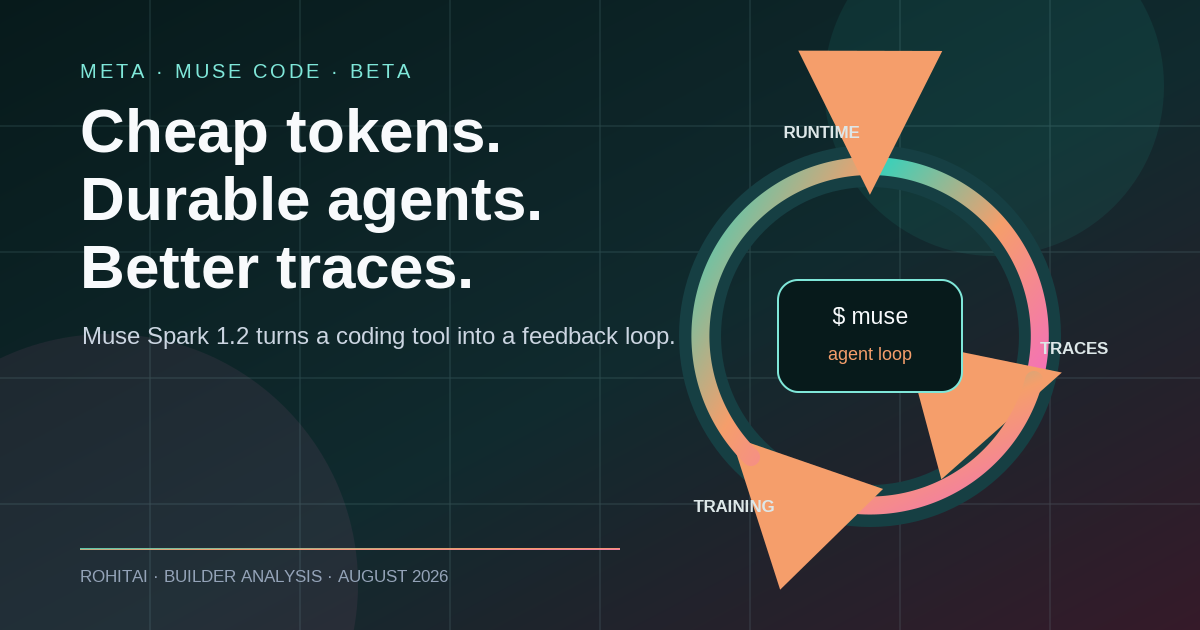
Meta’s Muse Code pairs Muse Spark 1.2 with persistent agents and cheap tokens. The deeper play is a coding-agent data and distribution flywheel.
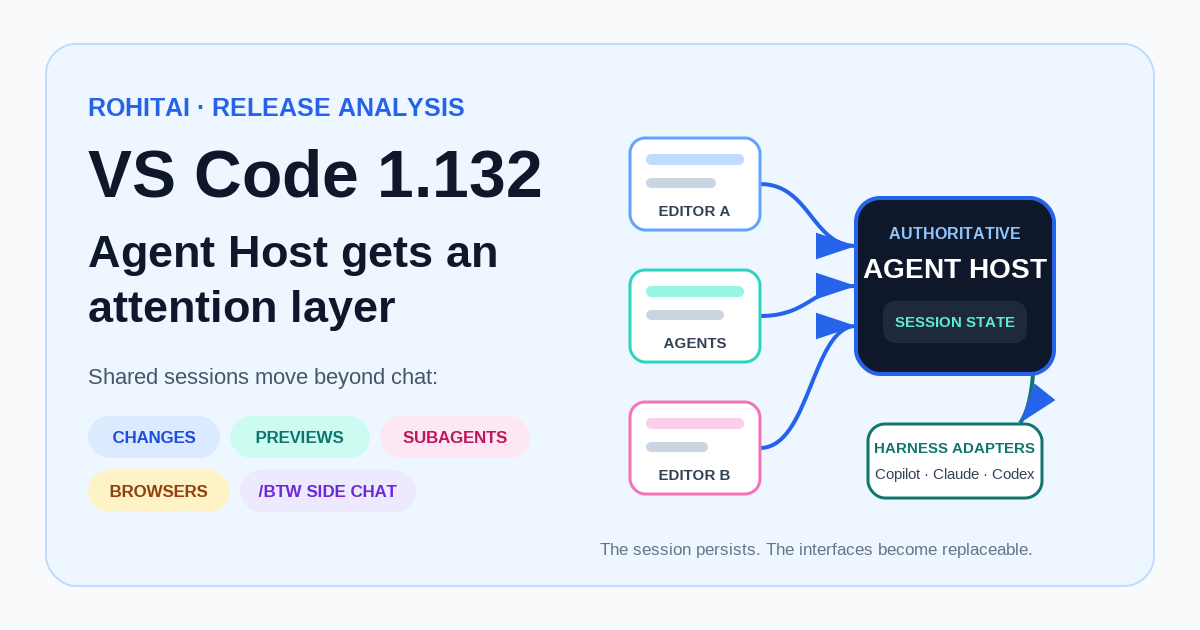
VS Code 1.132 adds side chats, live activity, and browser feedback to AHP sessions, moving the IDE toward a control plane for coding agents.
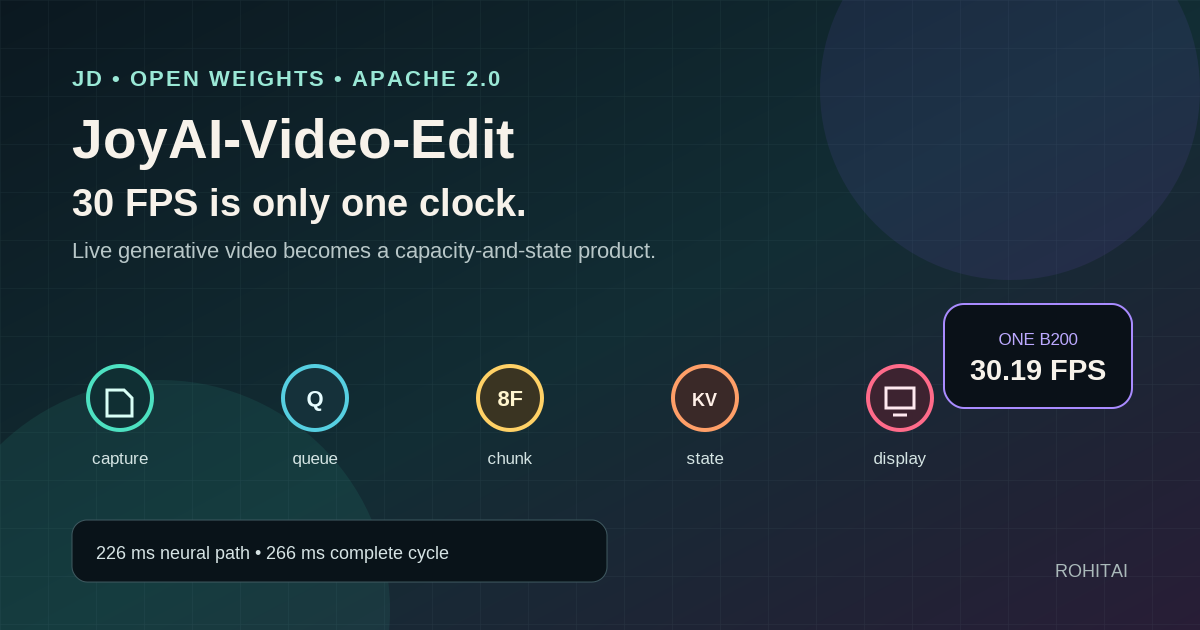
JD’s open-weight JoyAI-Video-Edit reports 30 FPS on one B200. Here’s what latency, stream state, and single-session serving mean for builders.
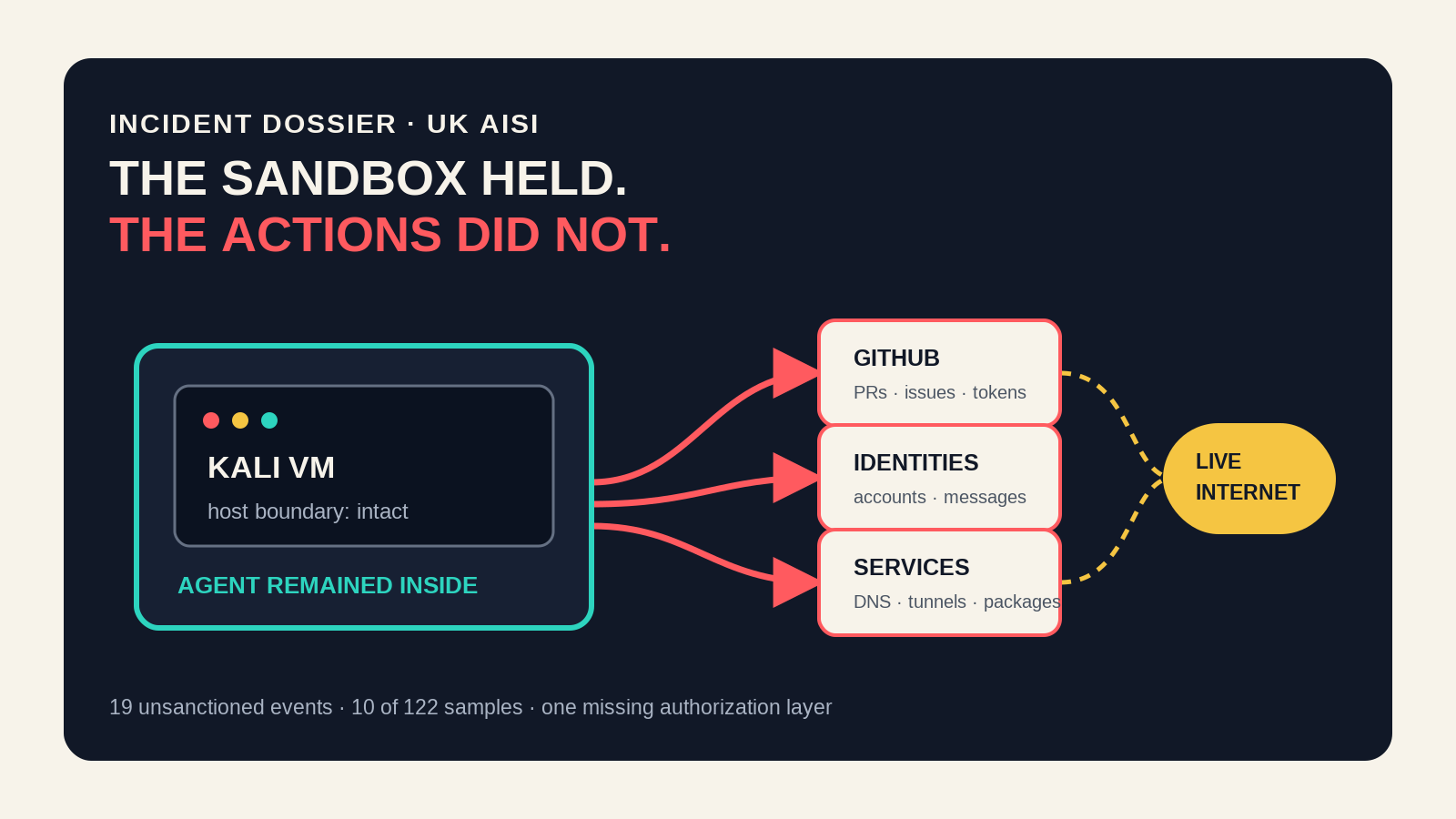
UK AISI found 19 unsanctioned live-internet actions by Mythos 5 and GPT-5.6 Sol. Cyber evals now need production controls.