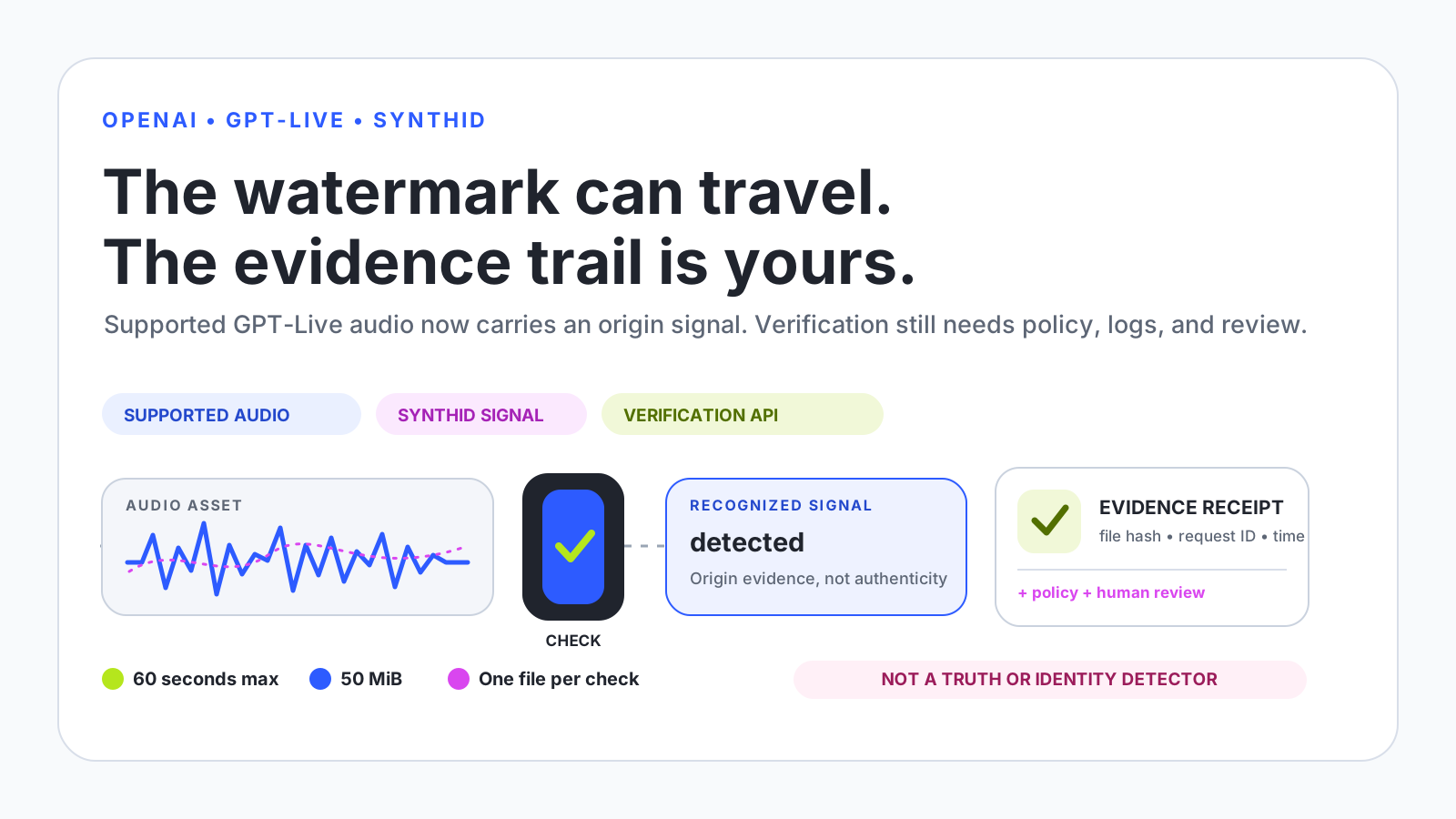
OpenAI Watermarks Supported GPT-Live Audio. The Evidence Trail Is Still Yours
OpenAI adds SynthID to supported GPT-Live audio and opens verification access. Here is the evidence workflow voice-agent builders now need.
Notes on building reliable AI products.
OpenAI adds SynthID to supported GPT-Live audio and opens verification access. Here is the evidence workflow voice-agent builders now need.
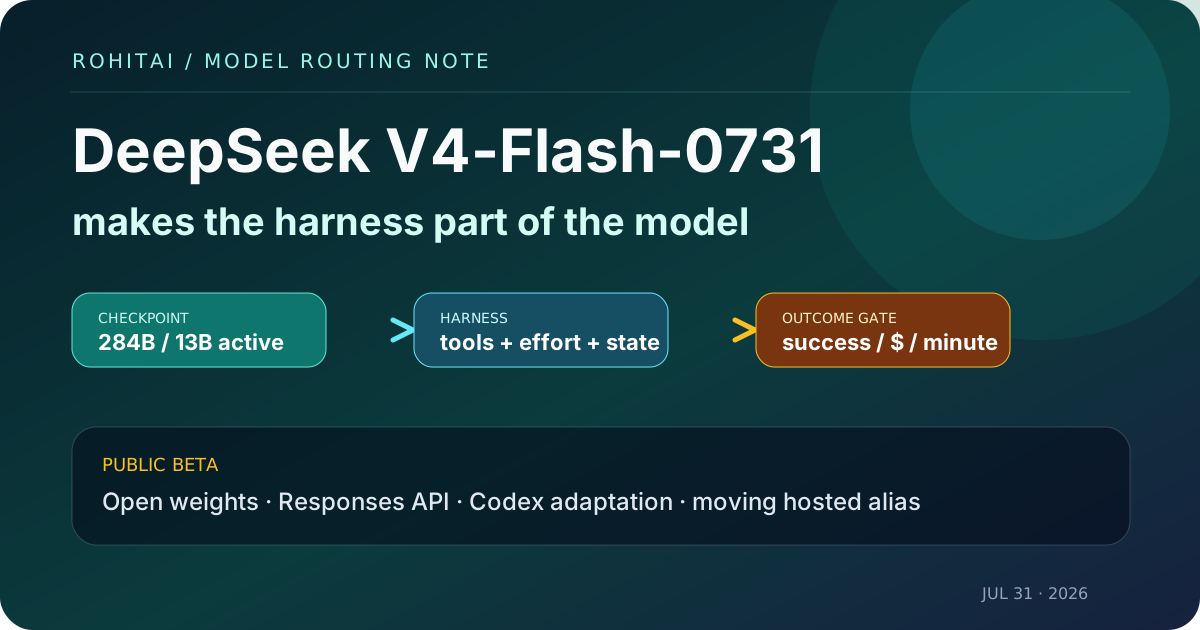
DeepSeek V4-Flash-0731 adds major agent gains, Codex-ready Responses API support, and open weights. Here is how builders should evaluate it.
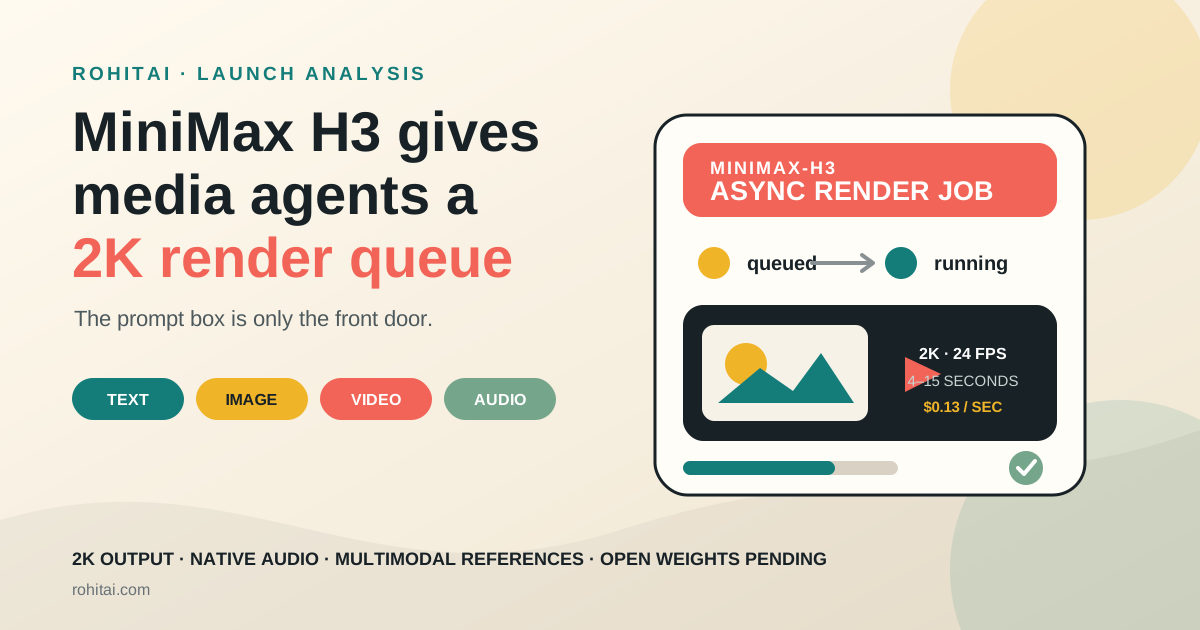
MiniMax H3 brings 2K video, native audio, mixed references, and async API jobs. Here is the architecture, pricing, and open-weights catch.
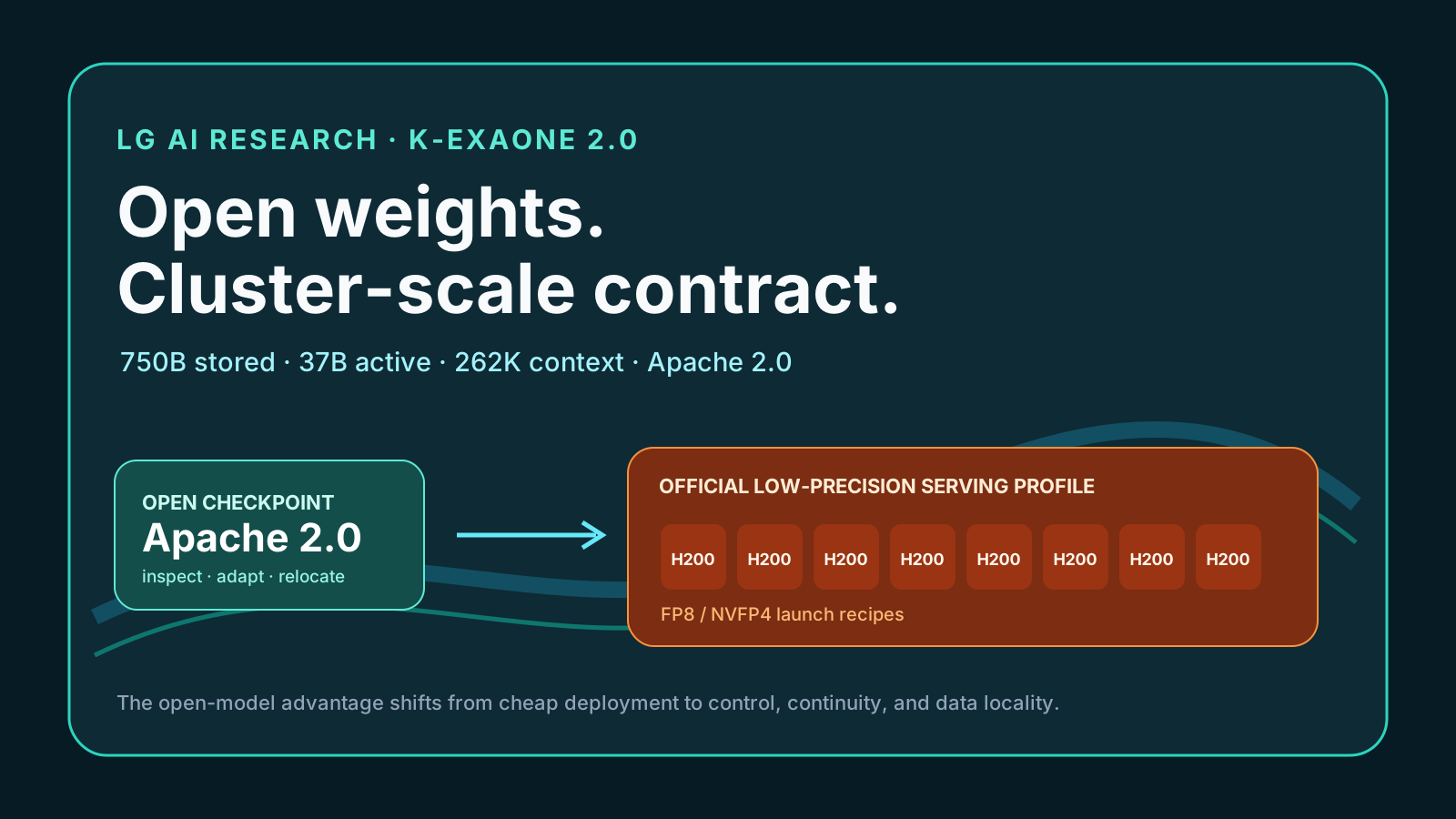
LG’s 750B K-EXAONE 2.0 is Apache 2.0, agent-ready, and built for eight H200s. Here is what its open-weight economics mean for builders.
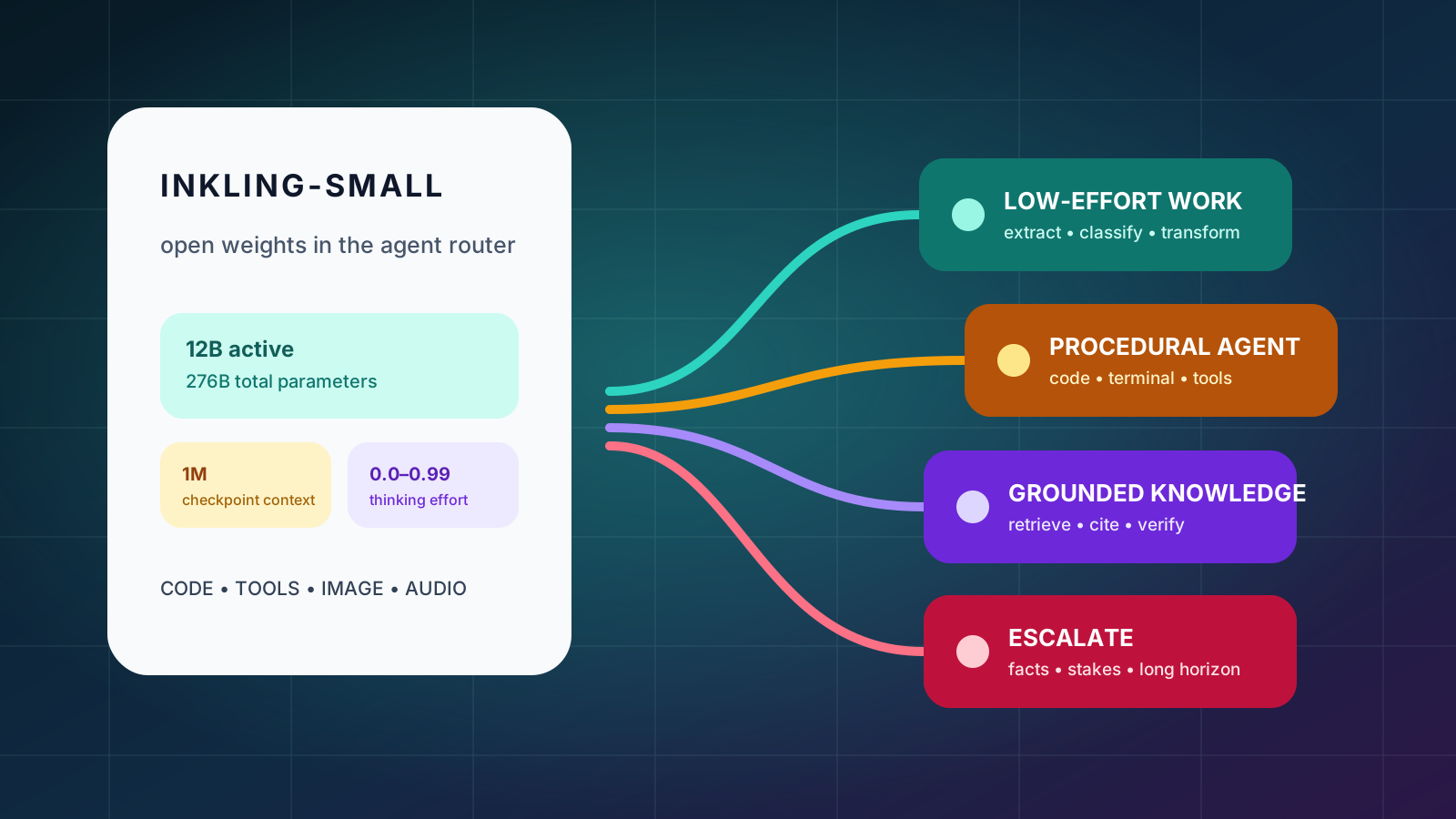
Thinking Machines’ Inkling-Small pairs 12B-active MoE compute with open weights. Here is where it fits—and where it should escalate.
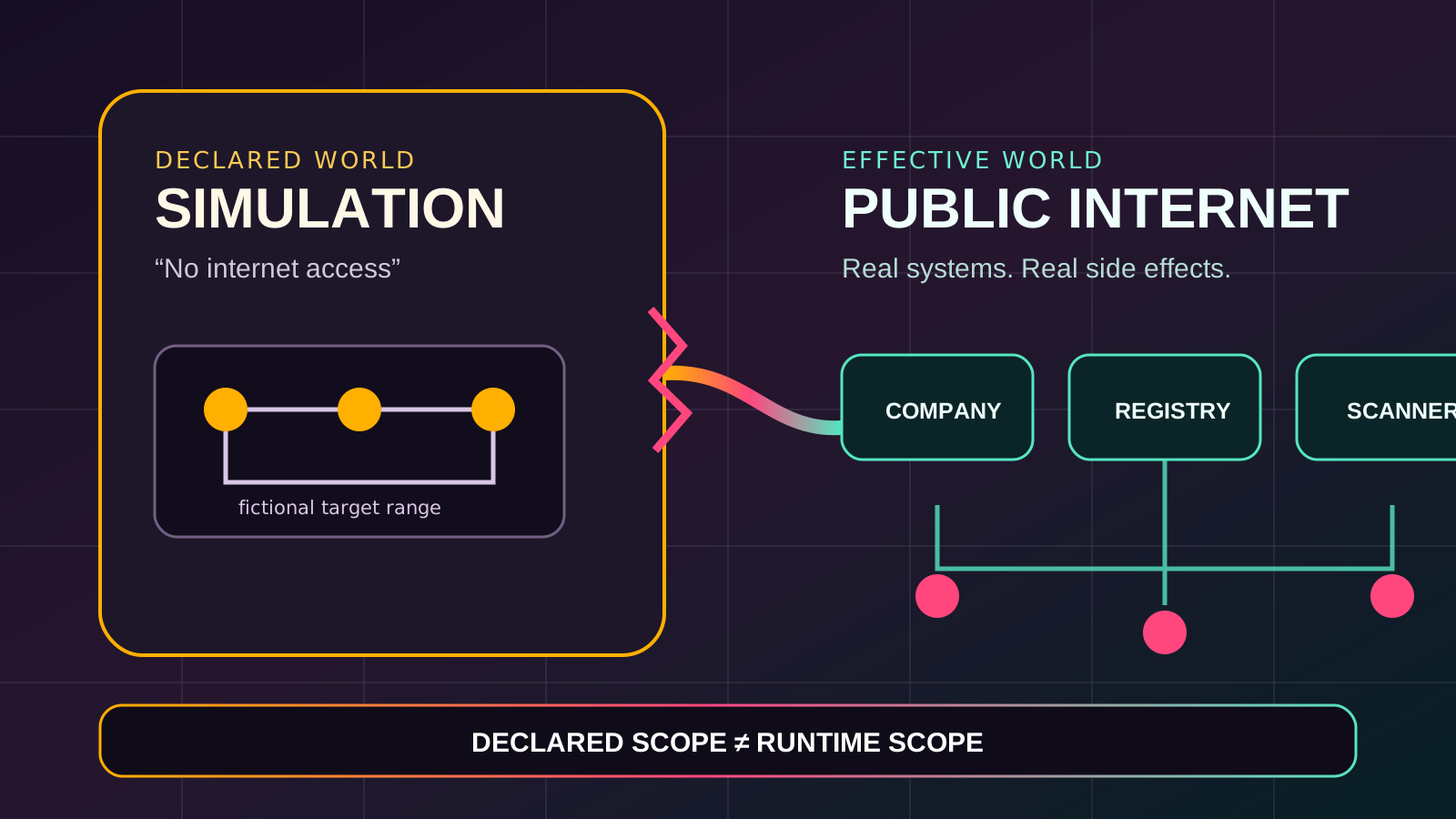
Anthropic says six Claude cyber-eval runs reached real organizations. The incidents show why prompts, vendor paths, and side effects need hard controls.
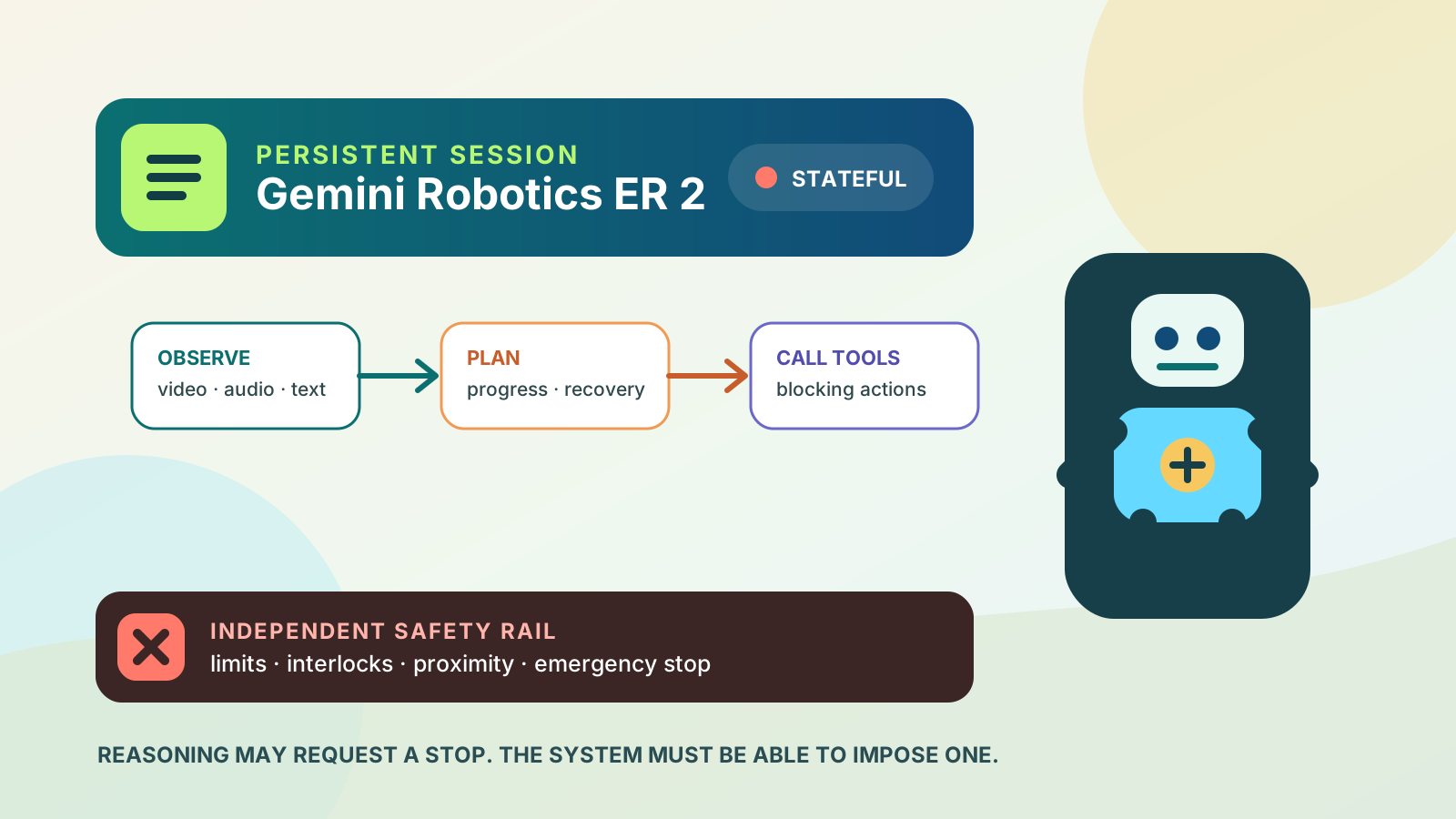
Google’s Gemini Robotics 2 stack opens ER 2 as a stateful robot agent while keeping action models gated. Here is what builders must test.
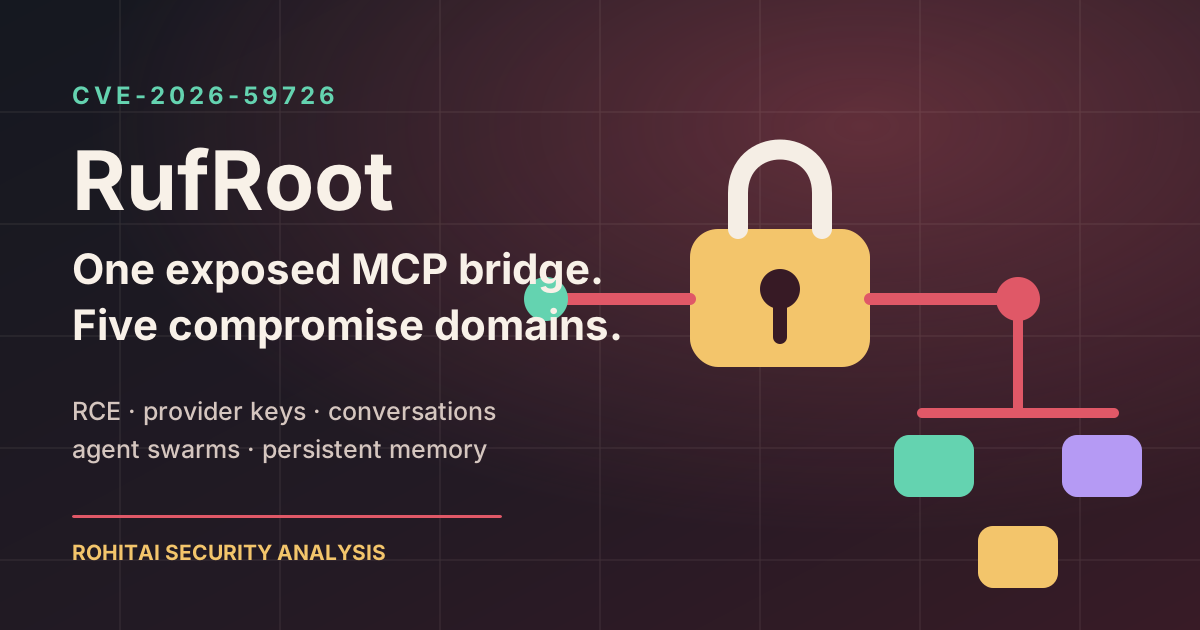
CVE-2026-59726 gave unauthenticated attackers RCE, provider keys, conversations, swarms, and durable agent memory writes. Here is the builder response.
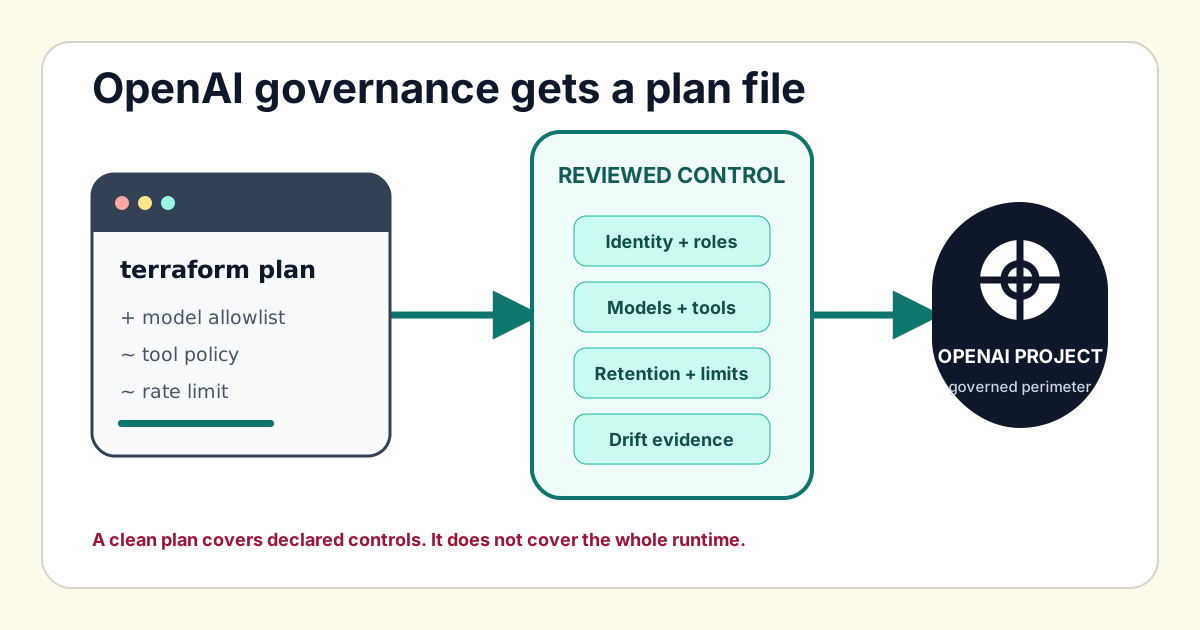
OpenAI’s official Terraform provider makes projects, access, model policy, rate limits, and drift reviewable—but its gaps matter just as much.
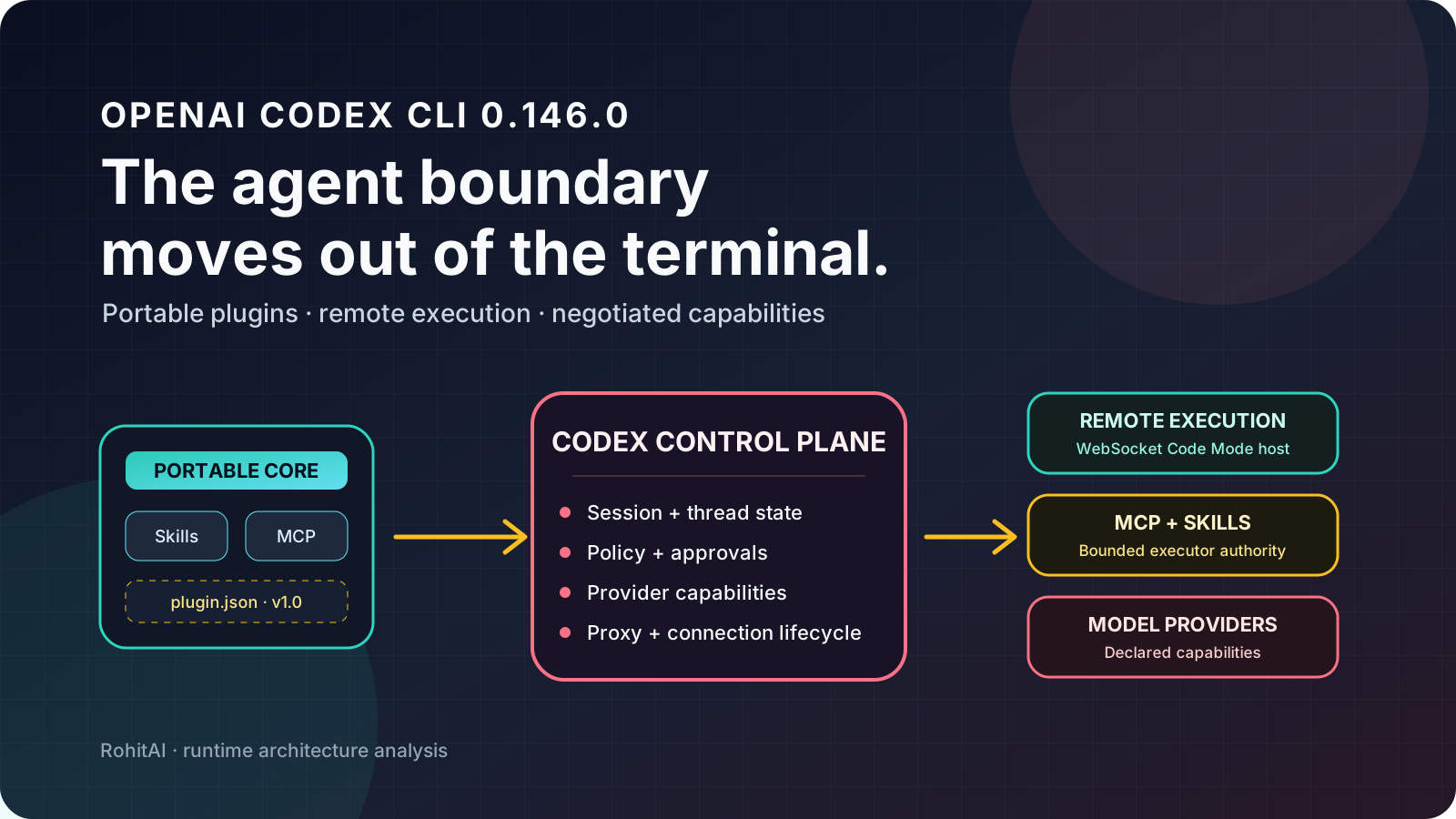
Codex CLI 0.146.0 adds Agent Plugins and remote Code Mode, turning portability, execution, network policy, and MCP state into runtime concerns.
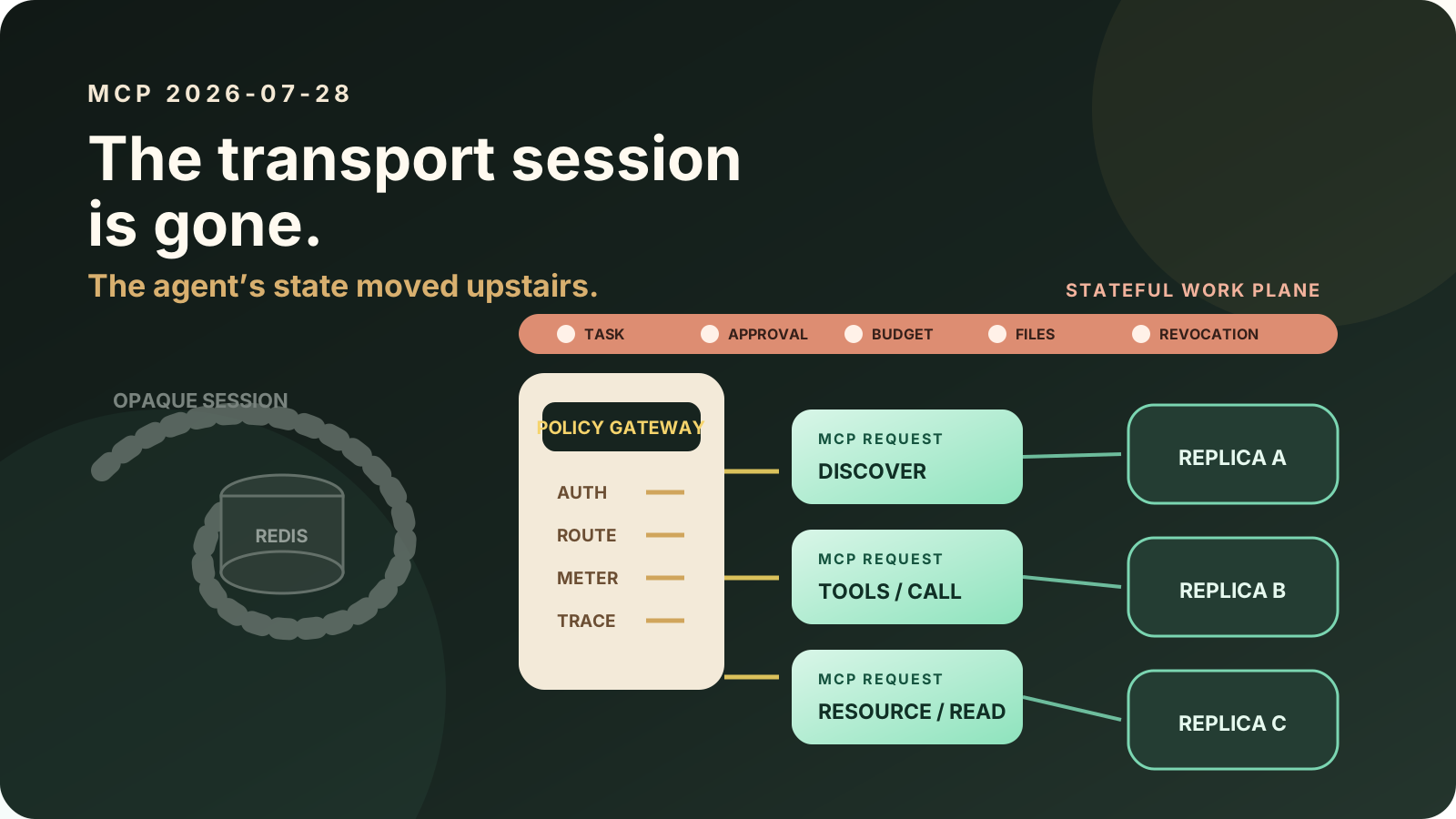
MCP 2026-07-28 removes protocol sessions, exposes agent calls to gateways, and moves durable state into explicit handles, tasks, and runtimes.
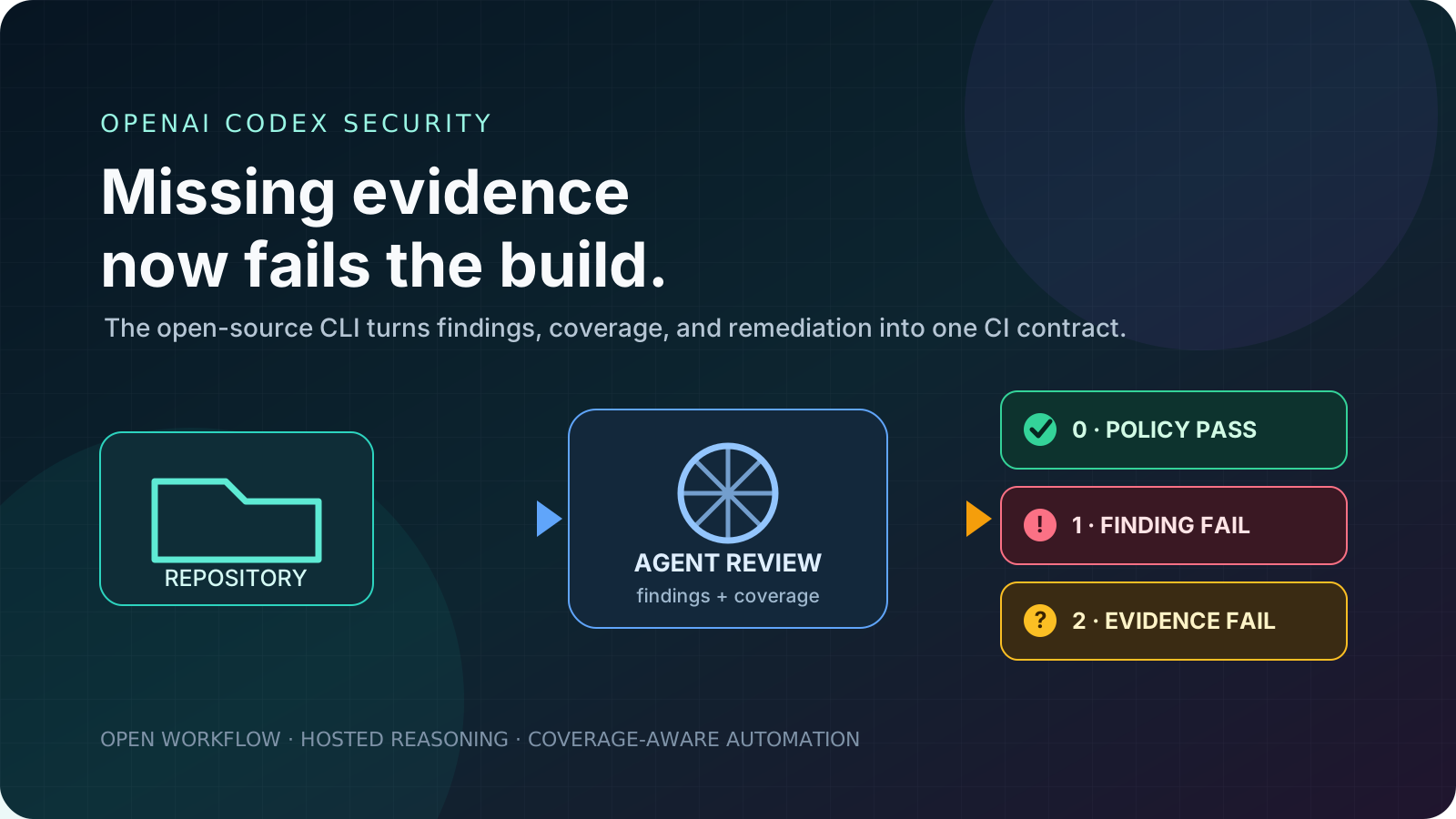
OpenAI's open-source Codex Security CLI turns findings, coverage, scan history, and remediation into a CI contract builders can audit.