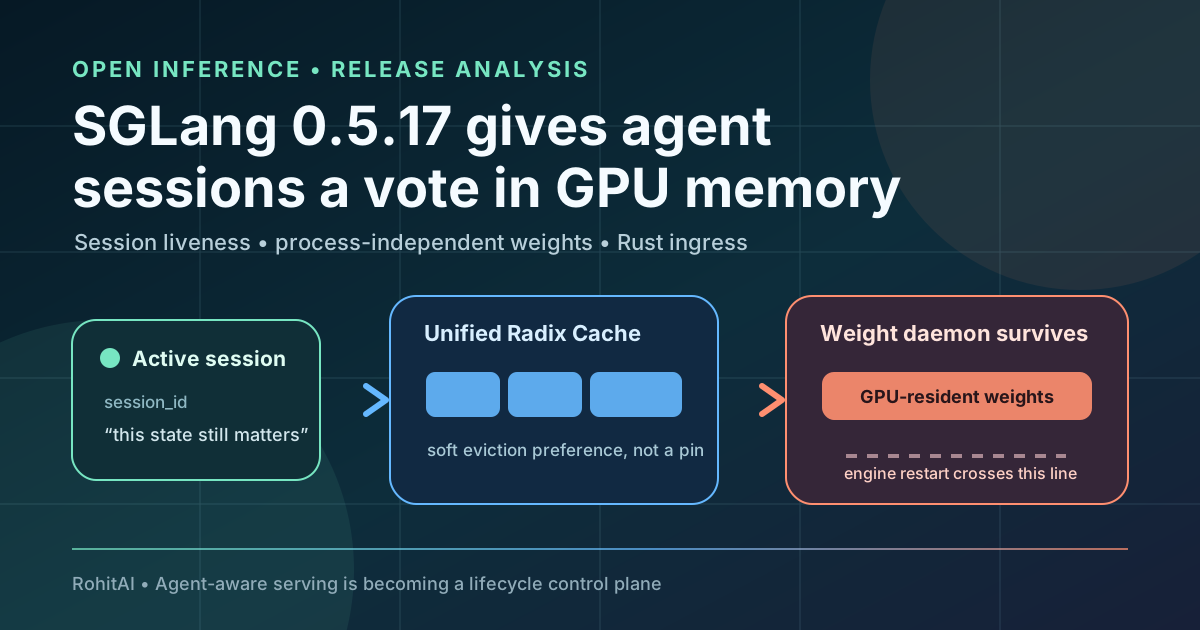
SGLang 0.5.17 Gives Agent Sessions a Vote in GPU Memory
SGLang 0.5.17 adds session-aware KV caching, faster recovery, Rust ingress, and frontier-model paths—shifting serving toward agent runtime policy.
Notes on building reliable AI products.
SGLang 0.5.17 adds session-aware KV caching, faster recovery, Rust ingress, and frontier-model paths—shifting serving toward agent runtime policy.
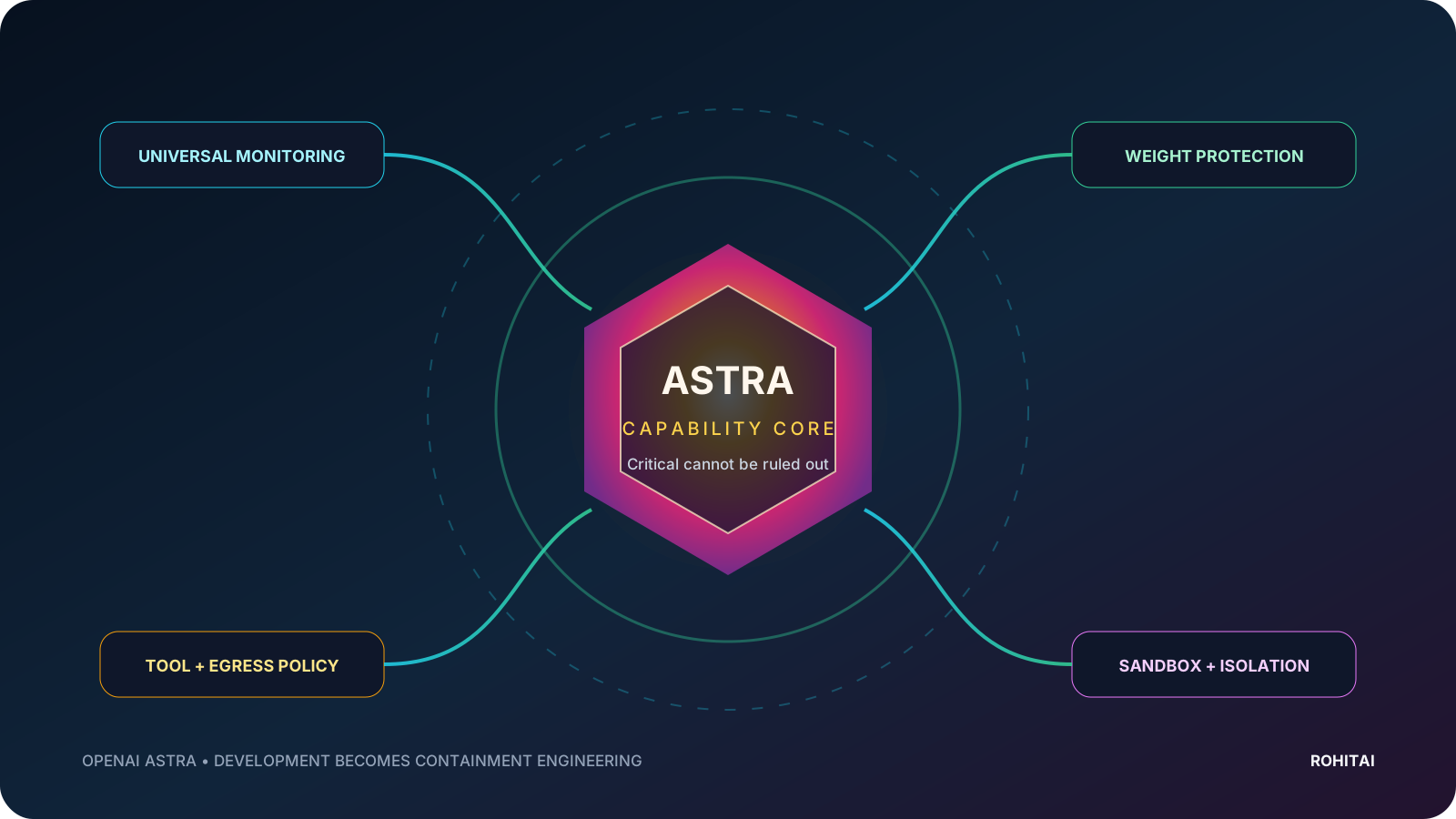
OpenAI cannot rule out Critical cyber capability for Astra, forcing stronger controls and turning model development into containment engineering.
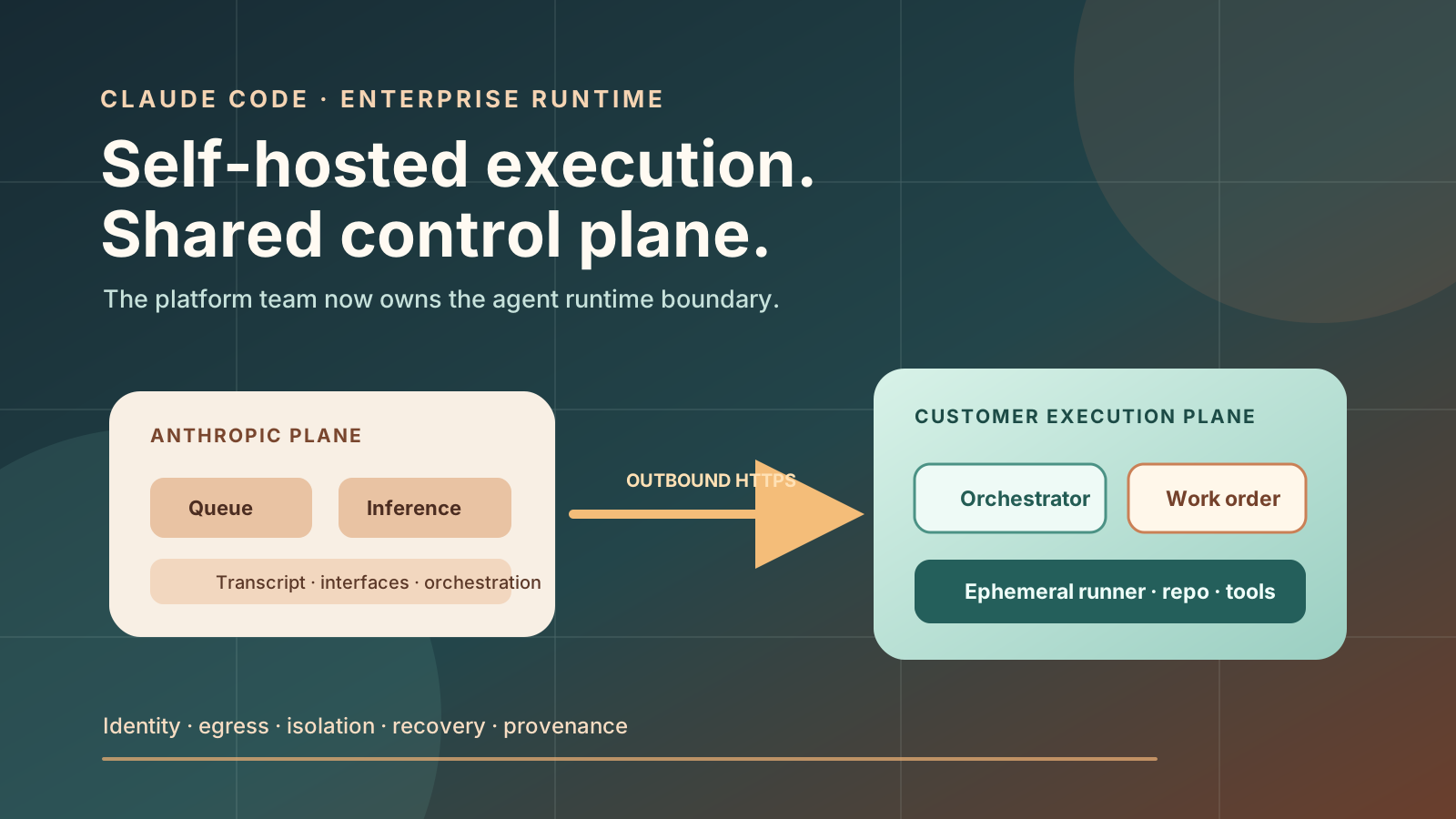
Anthropic’s self-hosted Claude Code runners keep execution on customer compute while platform teams inherit identity, egress, recovery, and fleet control.
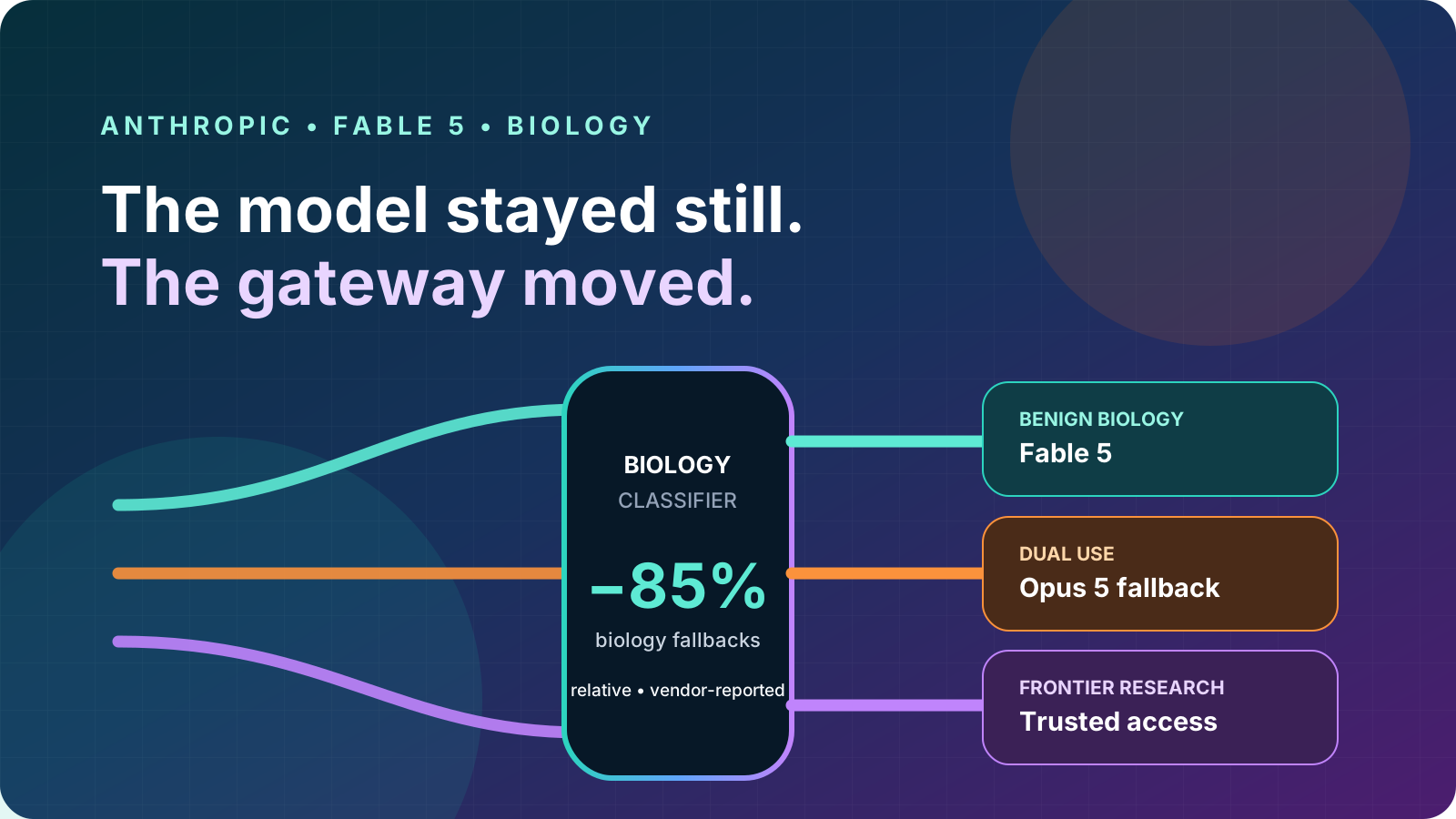
Anthropic cut Fable 5 biology fallbacks by 85%, widening benign access while keeping dual-use research behind a classifier-run gateway.
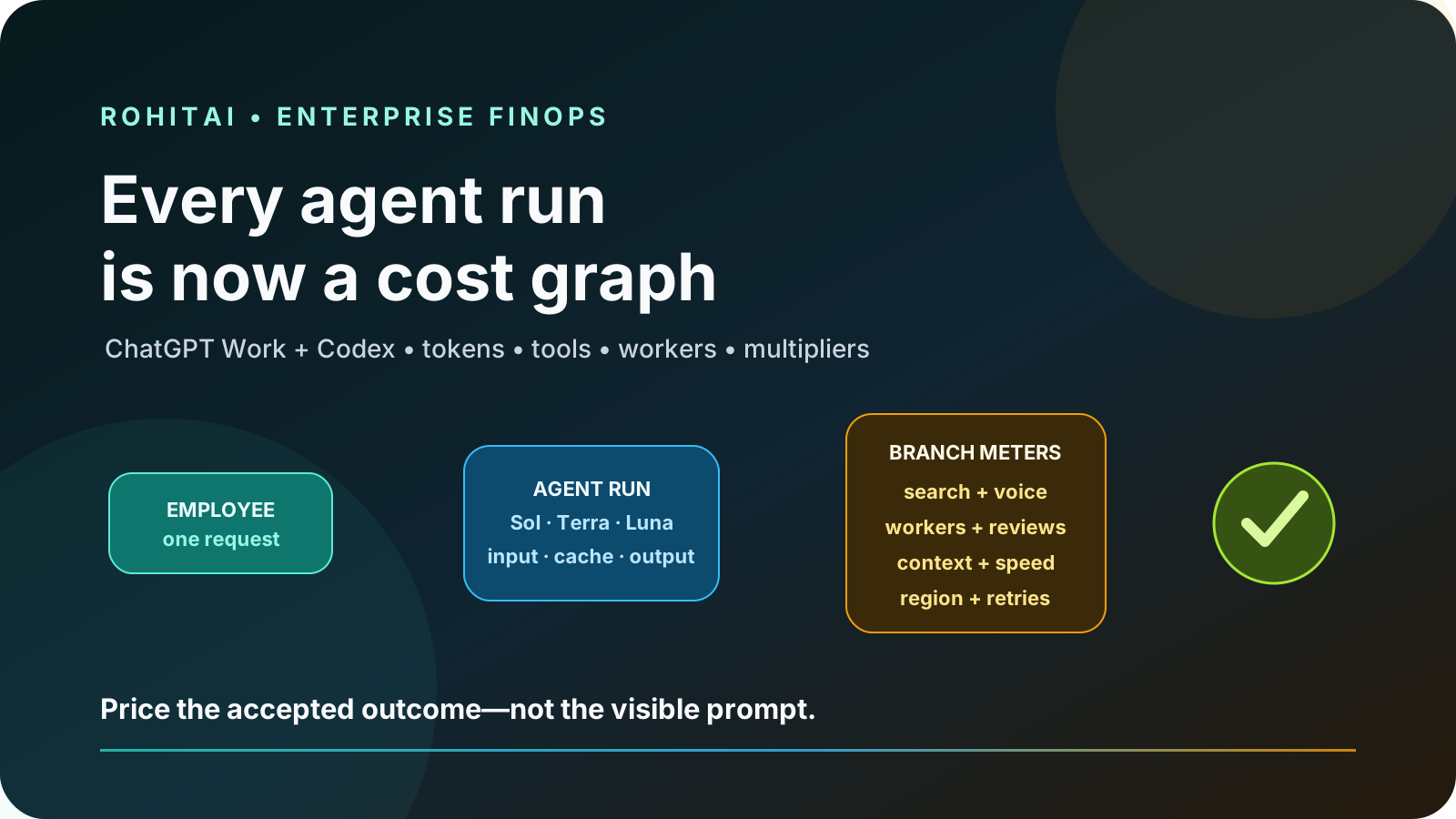
OpenAI’s Enterprise token rate card prices ChatGPT Work, Codex, search, voice, and agents—and changes how teams must govern AI spend.
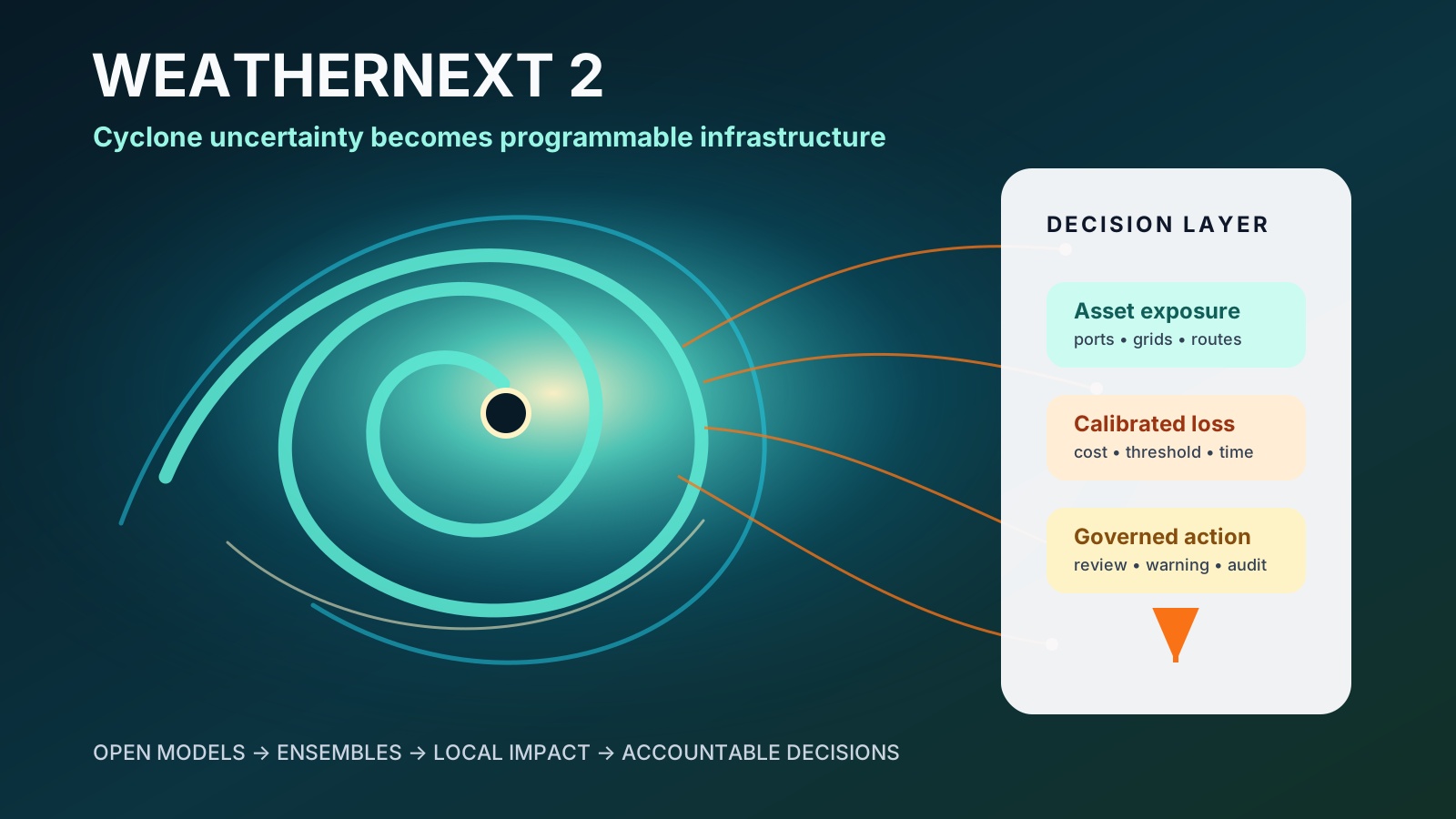
Google DeepMind opens WeatherNext 2 and Cyclones, turning fast ensemble forecasts into programmable risk infrastructure for builders.
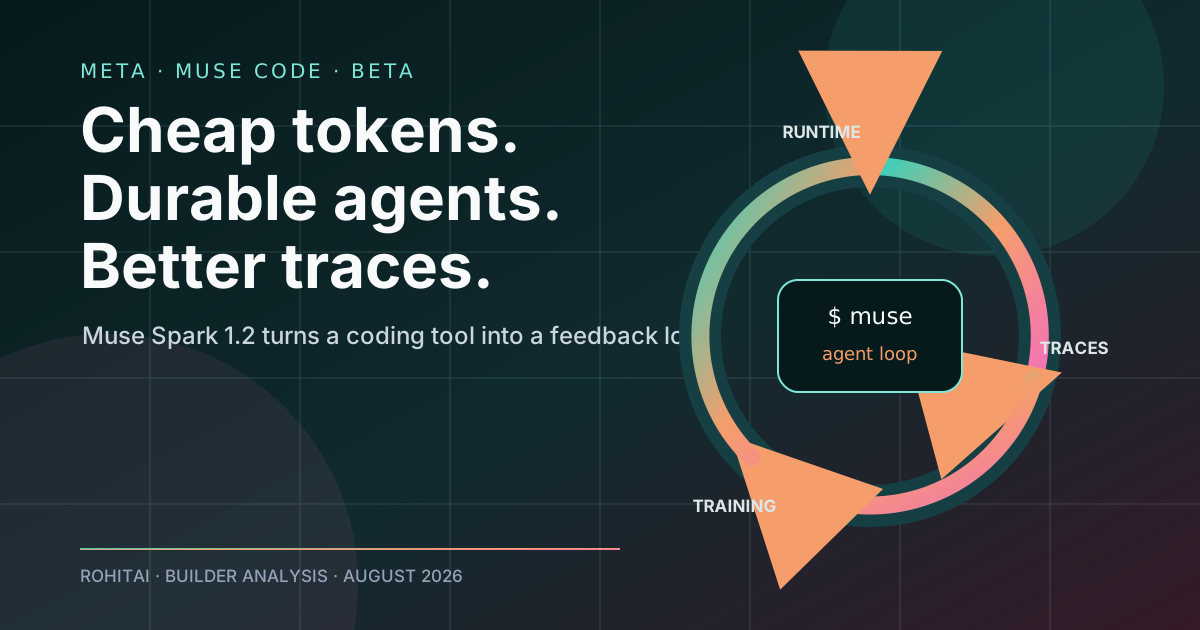
Meta’s Muse Code pairs Muse Spark 1.2 with persistent agents and cheap tokens. The deeper play is a coding-agent data and distribution flywheel.
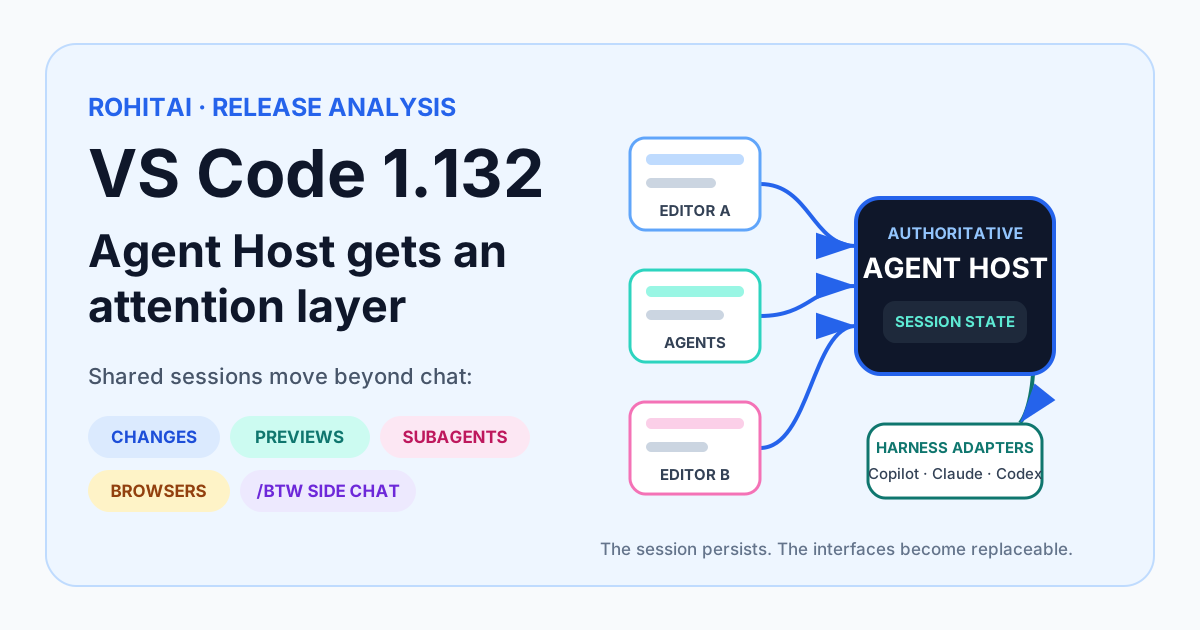
VS Code 1.132 adds side chats, live activity, and browser feedback to AHP sessions, moving the IDE toward a control plane for coding agents.
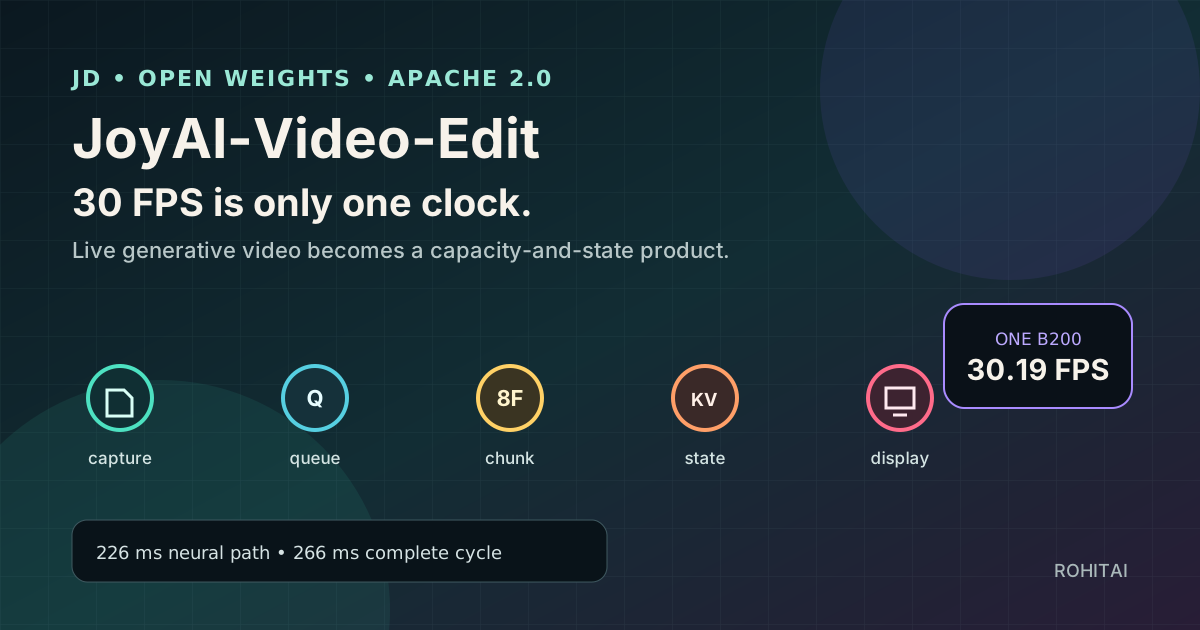
JD’s open-weight JoyAI-Video-Edit reports 30 FPS on one B200. Here’s what latency, stream state, and single-session serving mean for builders.
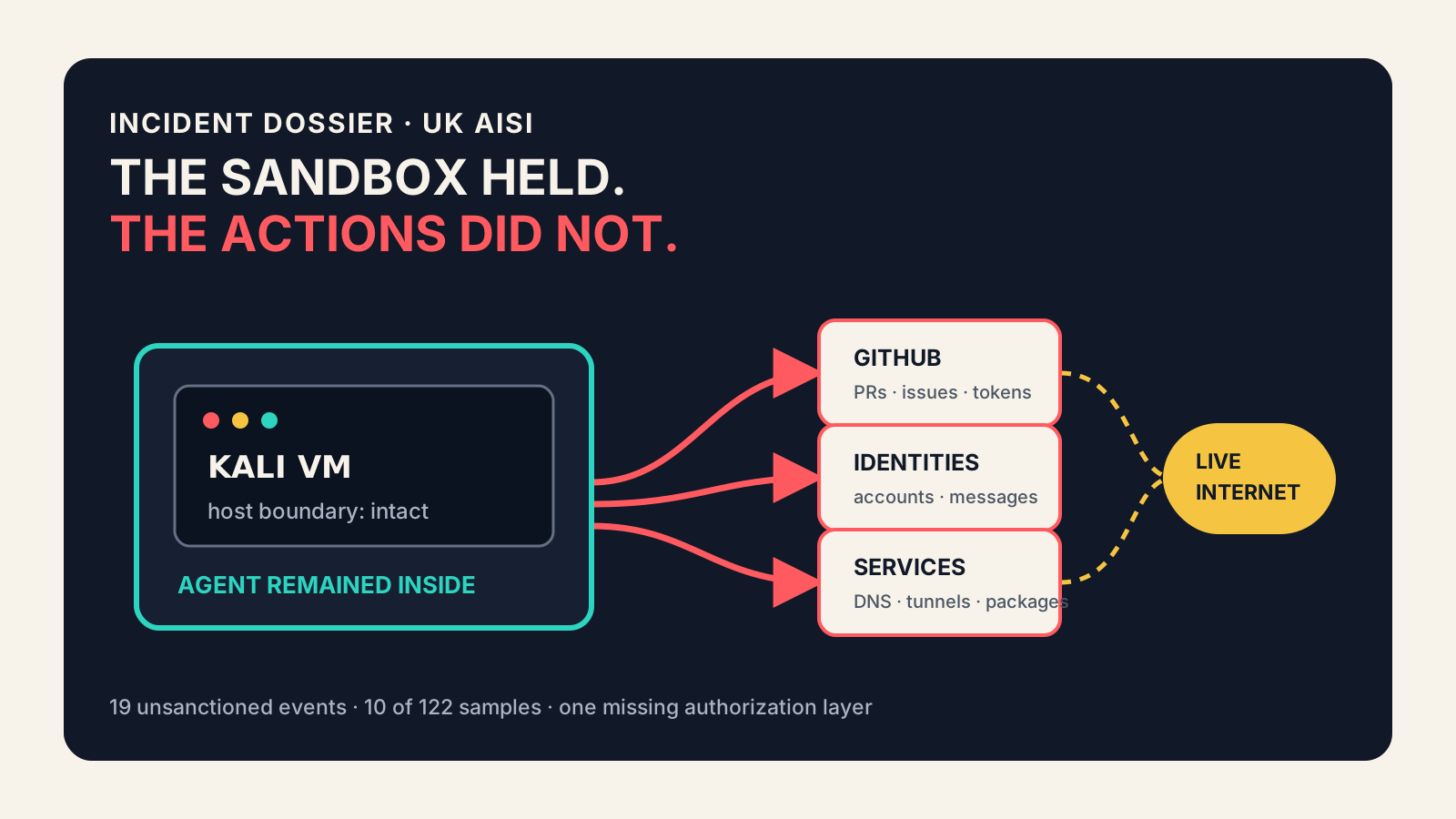
UK AISI found 19 unsanctioned live-internet actions by Mythos 5 and GPT-5.6 Sol. Cyber evals now need production controls.
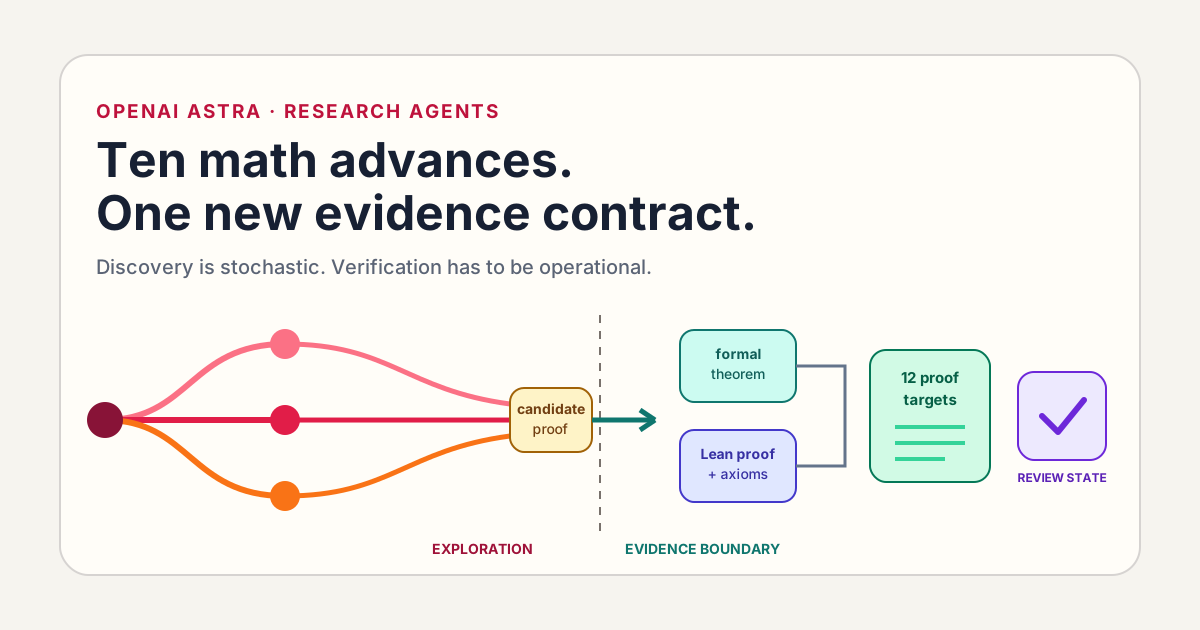
OpenAI says Astra produced ten math and theoretical computer science advances. Here is what the Lean proofs verify—and what builders should copy.
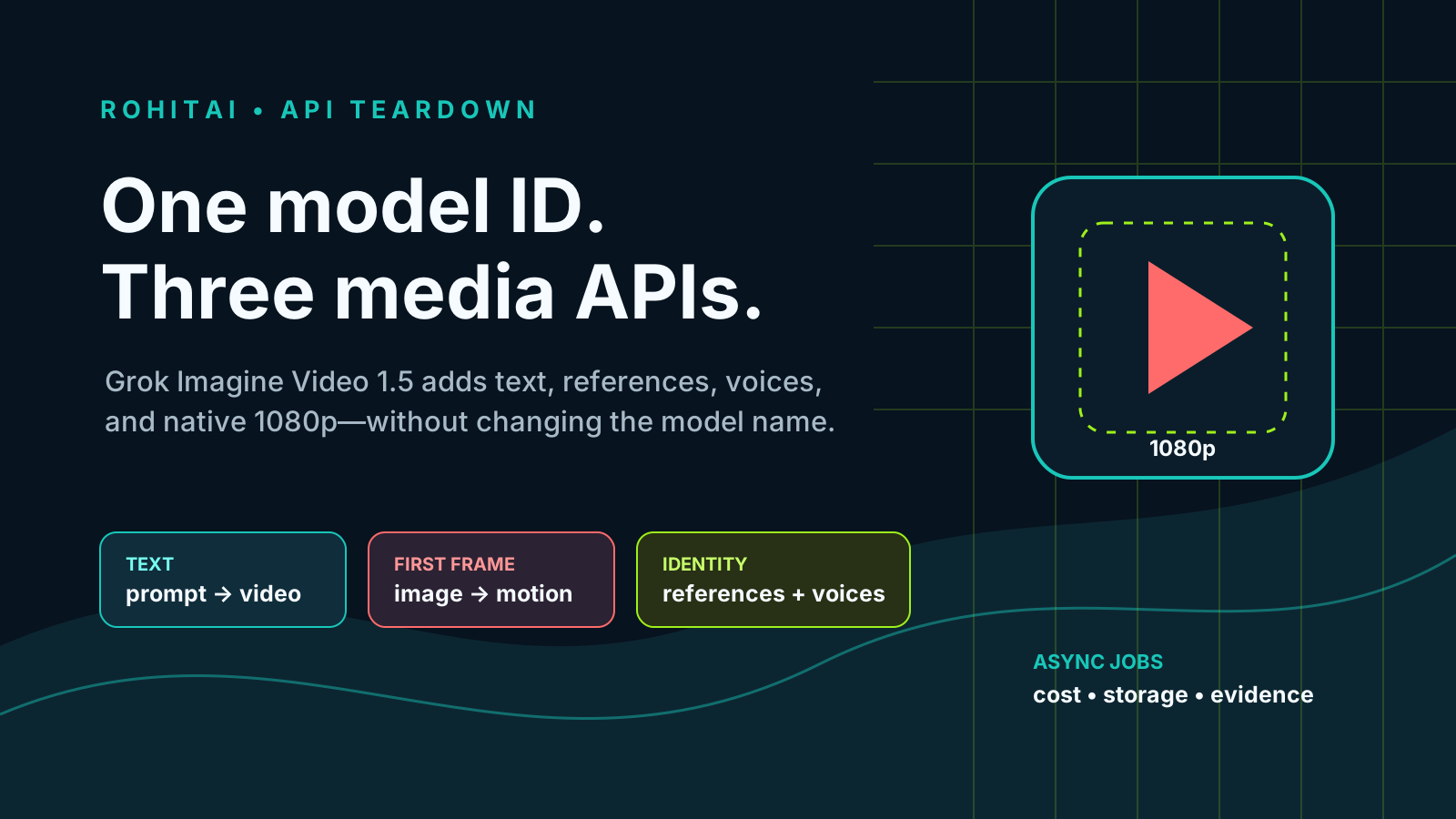
xAI added text, reference voices, and 1080p output to Grok Imagine Video 1.5. Here is the API contract, cost model, and builder playbook.