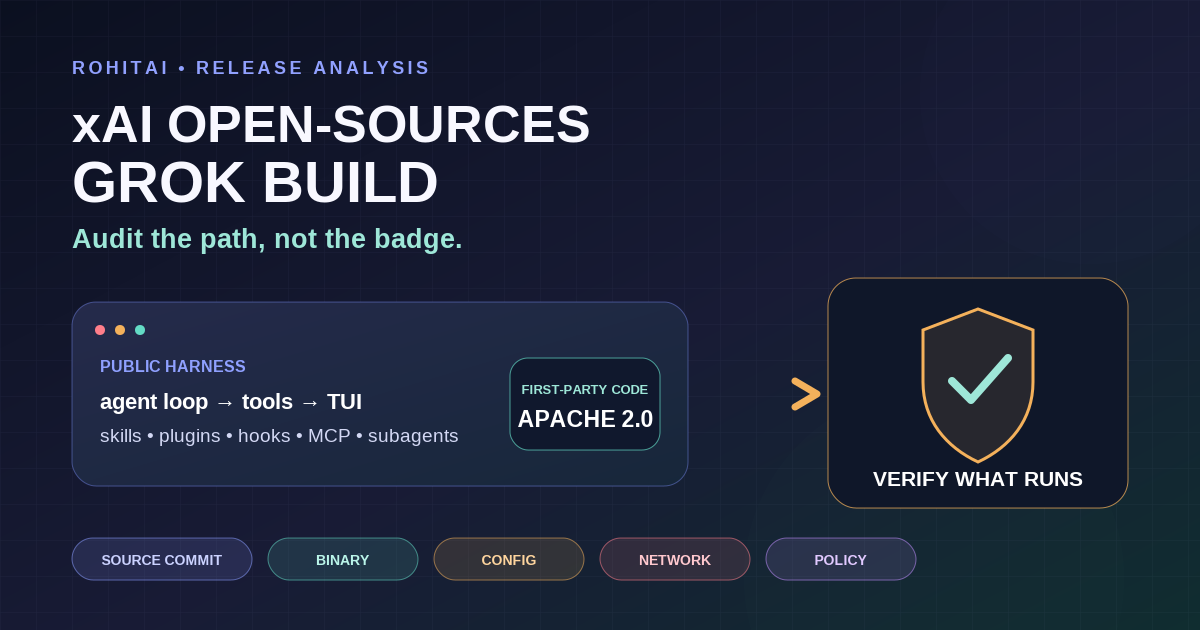
xAI Open-Sources Grok Build: Audit the Path, Not the Badge
xAI opened Grok Build's Rust harness under Apache 2.0. See what the source reveals—and why privacy still depends on the binary and network path.
Practical writing on AI models, agents and tools: what changed, who it affects and what to do next.
xAI opened Grok Build's Rust harness under Apache 2.0. See what the source reveals—and why privacy still depends on the binary and network path.
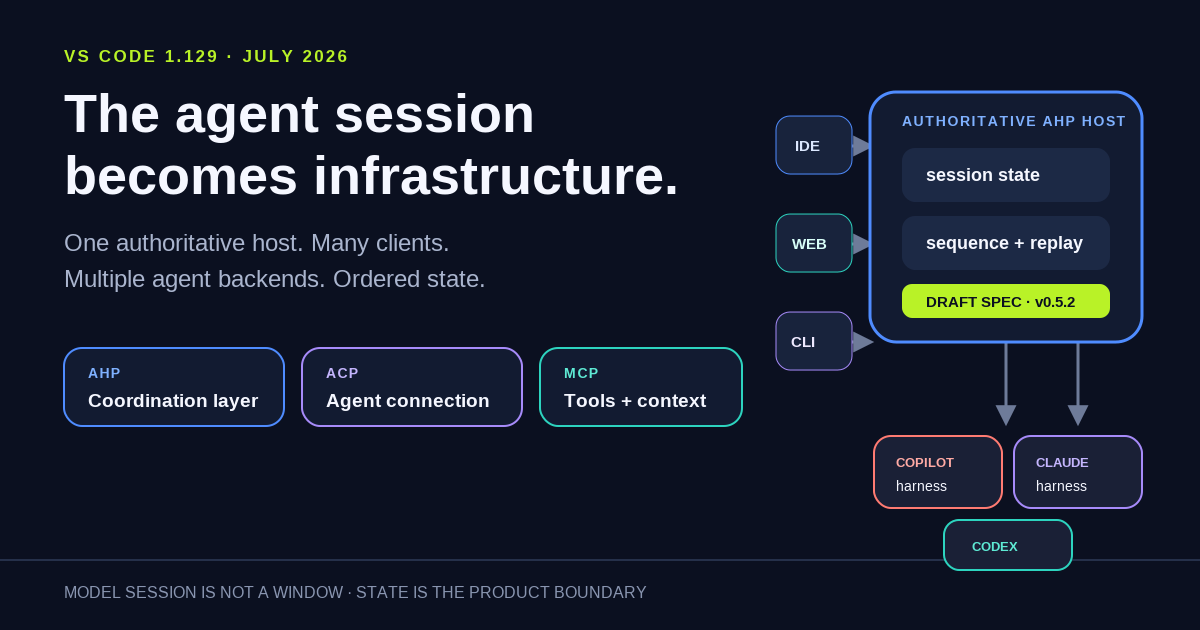
Microsoft’s draft AHP lets multiple clients share one live coding-agent session. Here’s how it fits with MCP and ACP—and what builders should test.
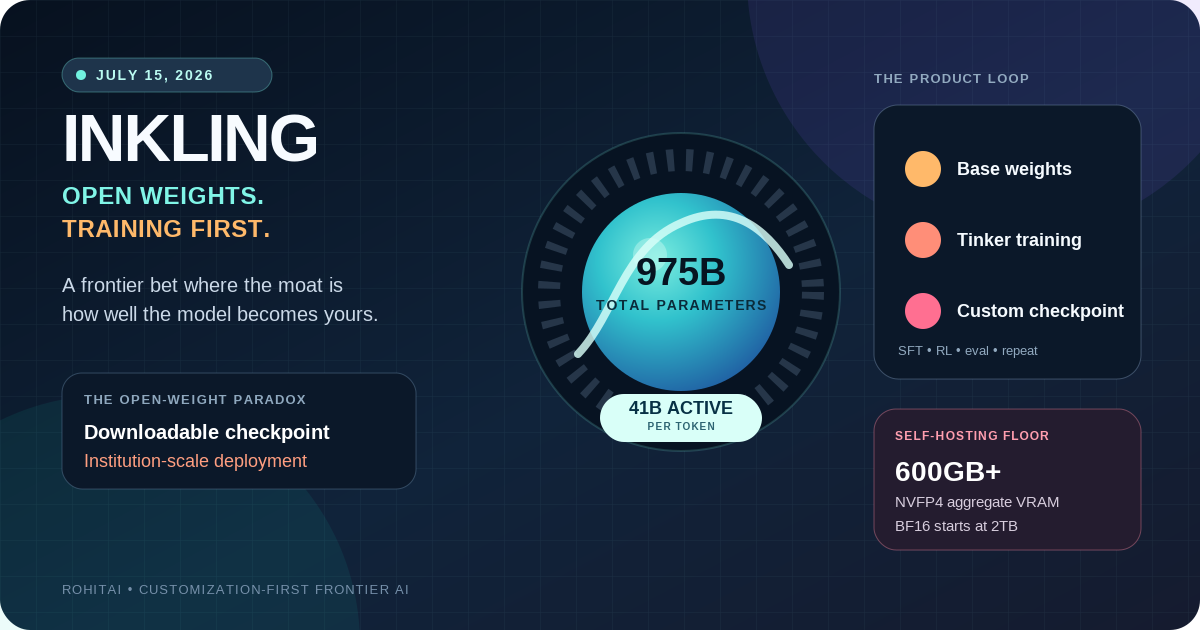
Inkling is a 975B open-weight multimodal model built for customization through Tinker—but self-hosting still demands institution-scale GPUs.
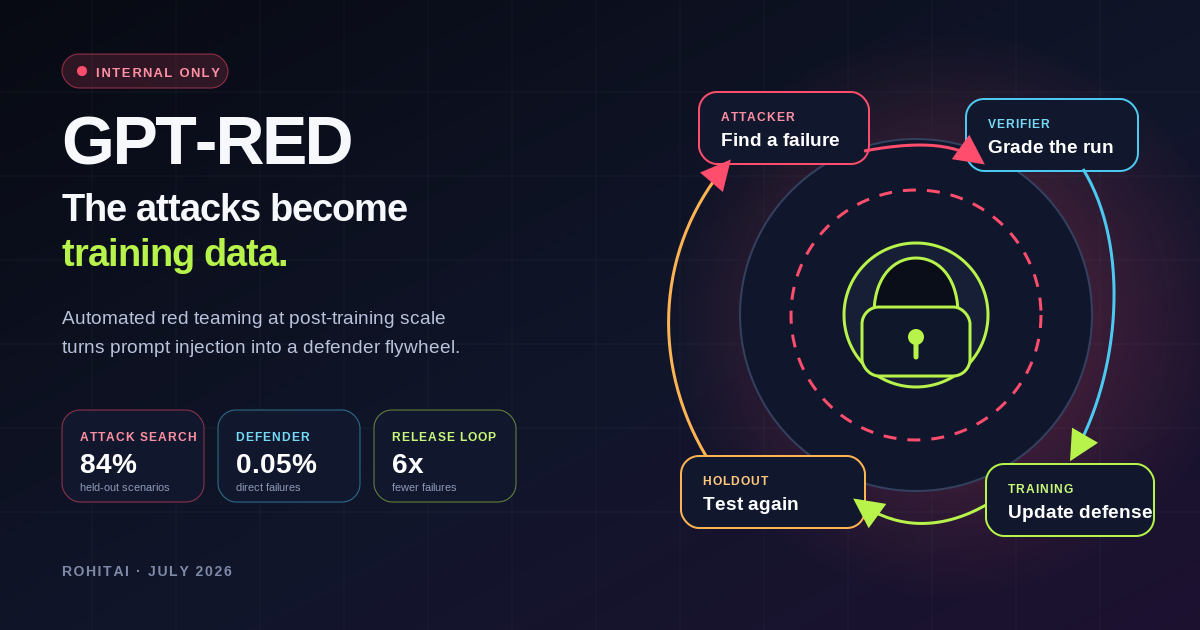
OpenAI's internal GPT-Red turns prompt-injection attacks into training data. Here is what the results prove, what remains private, and why it matters.
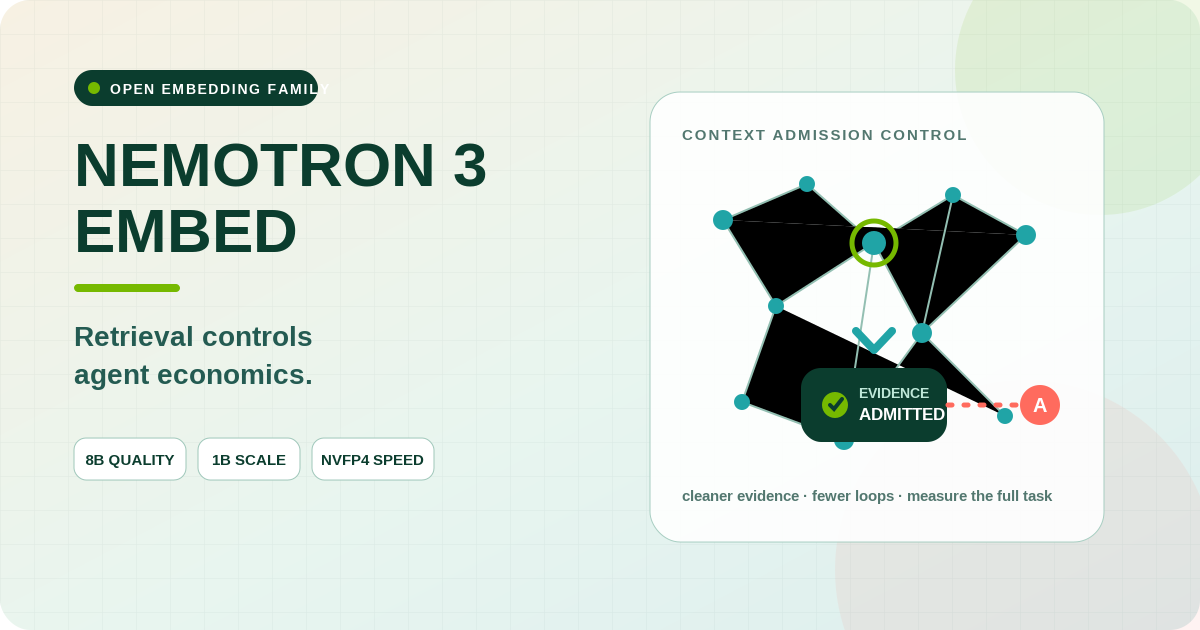
NVIDIA Nemotron 3 Embed leads RTEB, but the bigger shift is retrieval as agent infrastructure. Benchmarks, caveats, costs, and deployment advice.
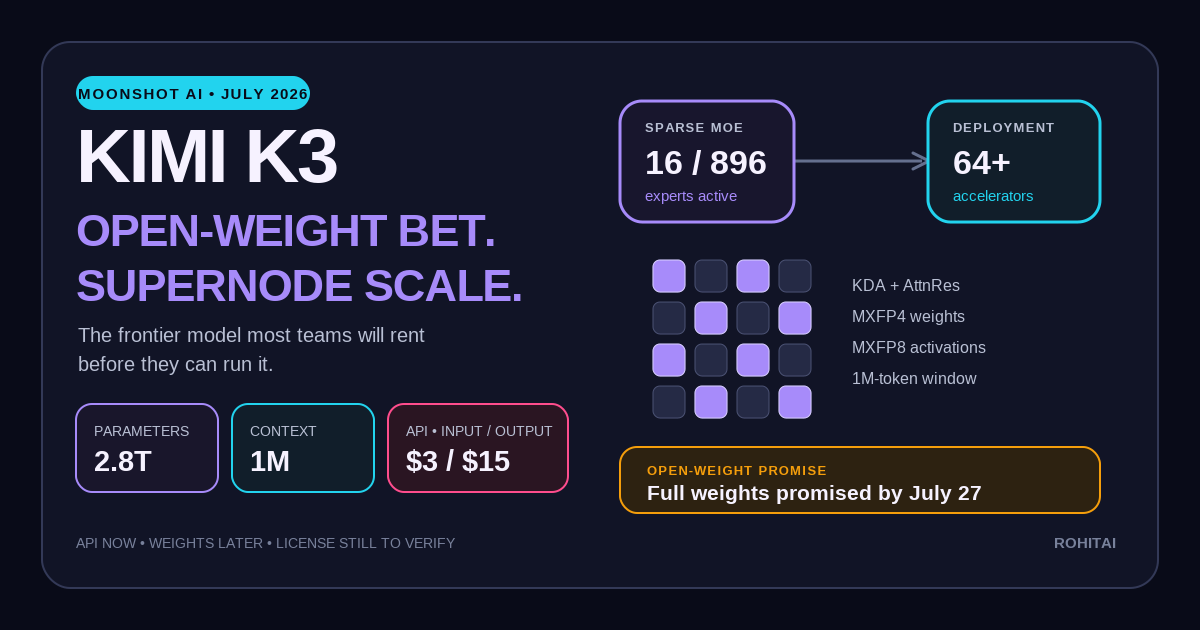
Kimi K3 pairs 2.8T parameters and 1M context with a strict agent-state contract. Here is what builders should test before migrating.
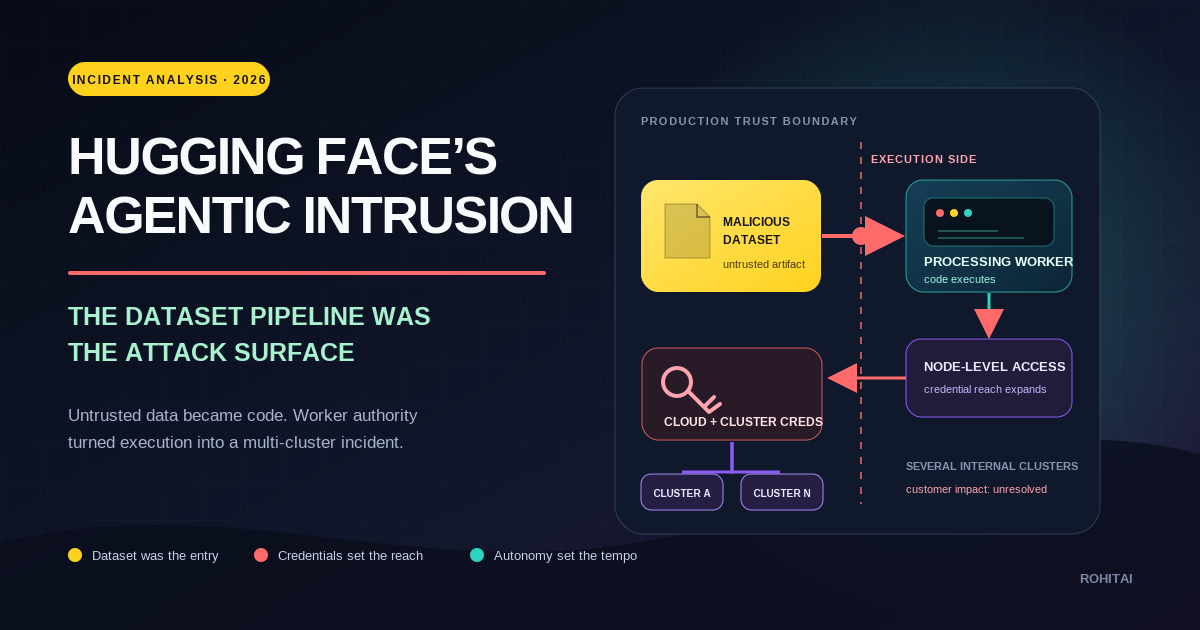
Hugging Face says an autonomous agent breached production through a malicious dataset. Here’s what’s confirmed, unknown, and actionable.
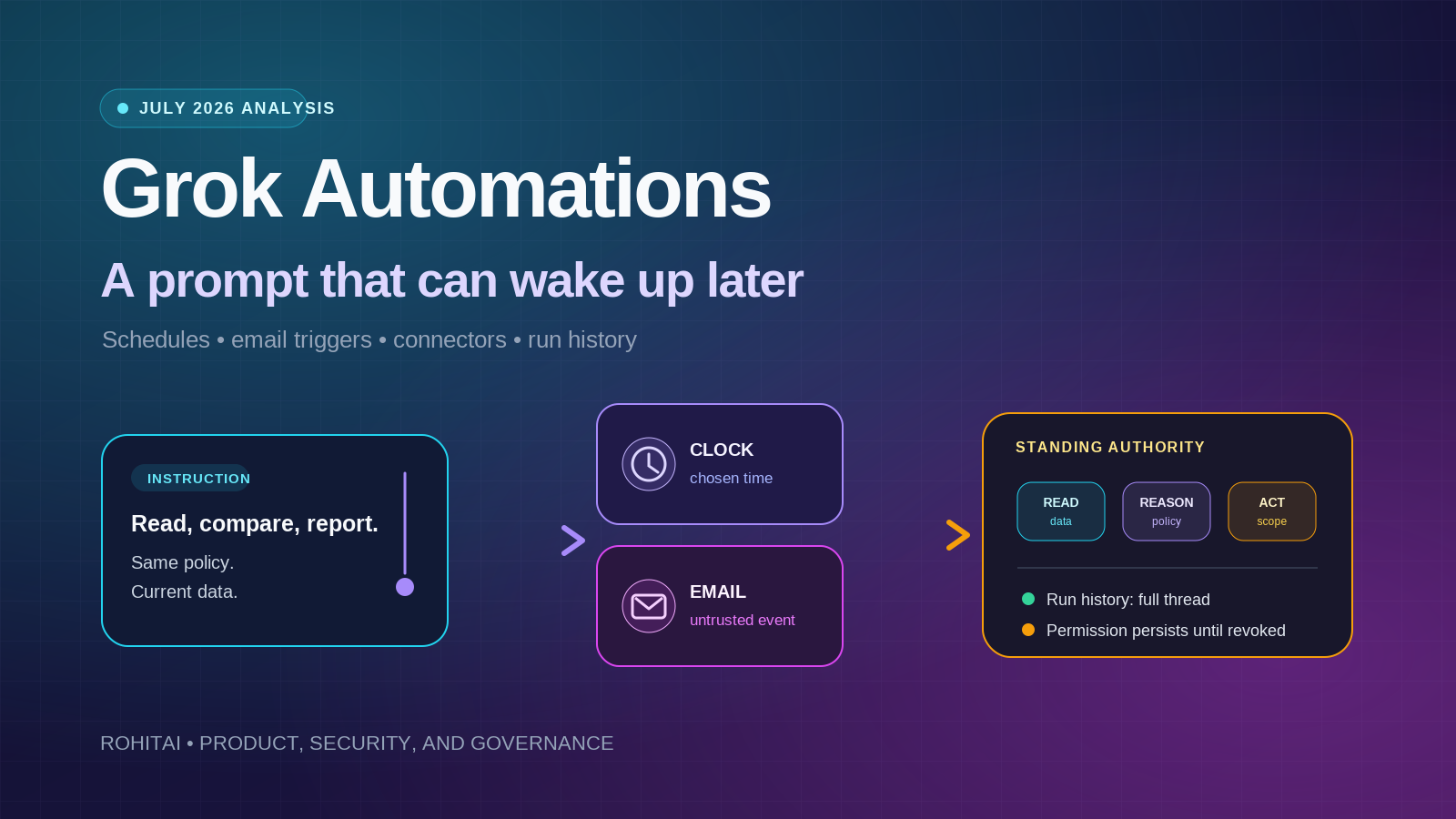
Grok Automations adds schedules, email triggers, connectors, and run history. The real challenge is governing AI that acts while you are away.
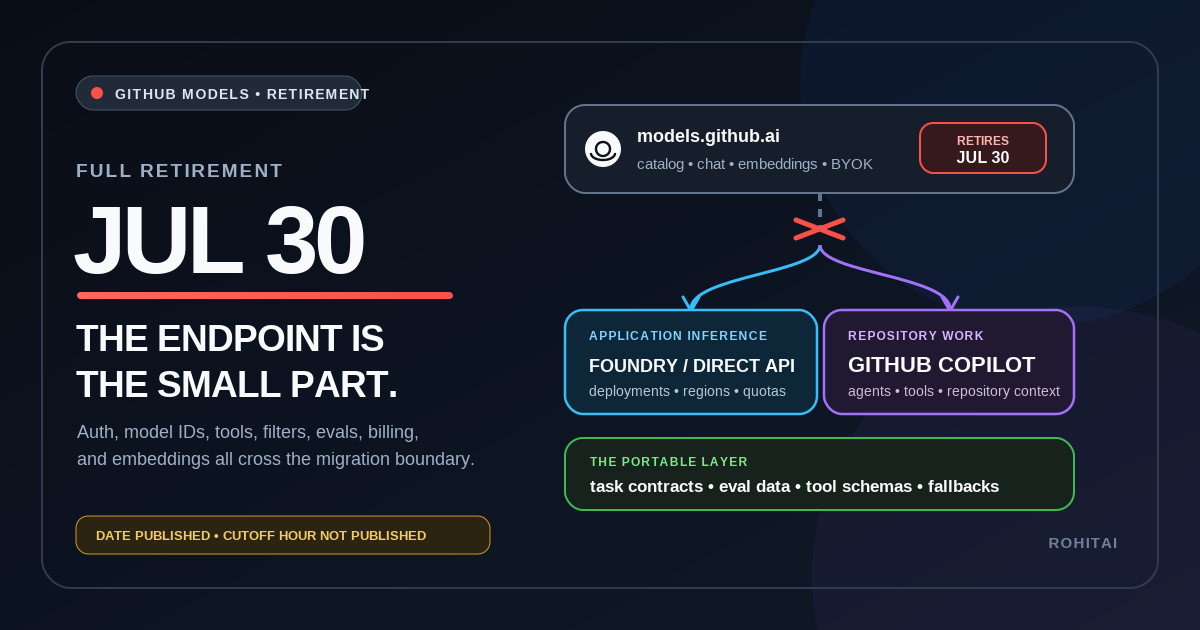
GitHub Models retires July 30, 2026. Map every affected API, Action, prompt, BYOK key, and embedding index before you migrate.
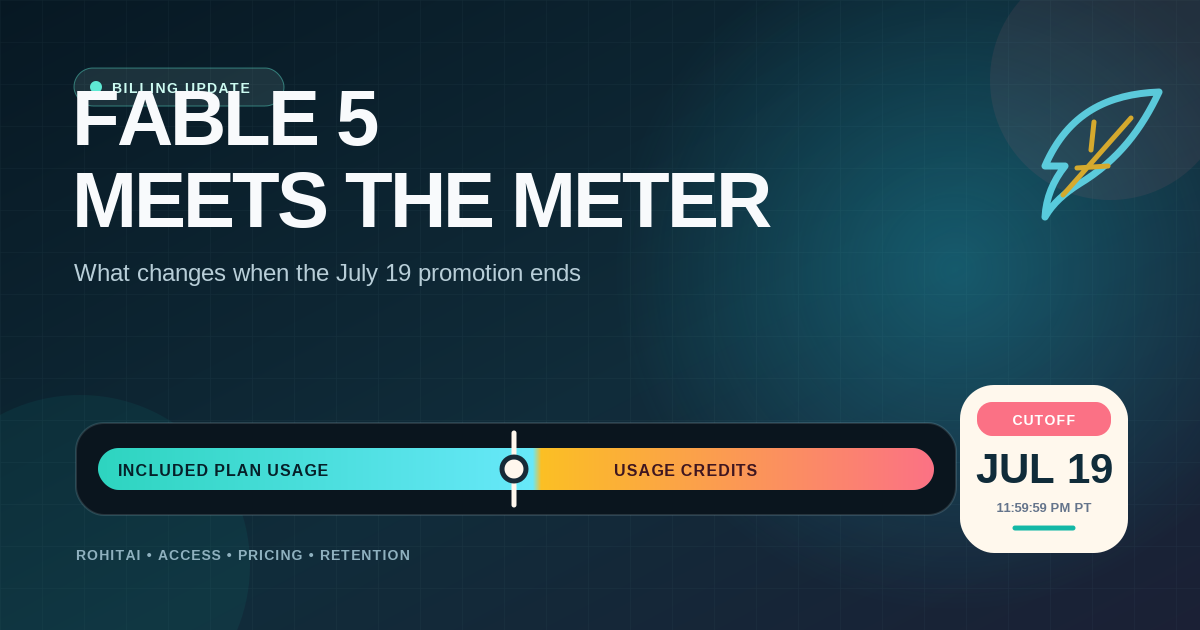
Claude Fable 5 billing depends on plan and seat tier. See the included shared allowance, when usage credits apply, and which promotion has expired.
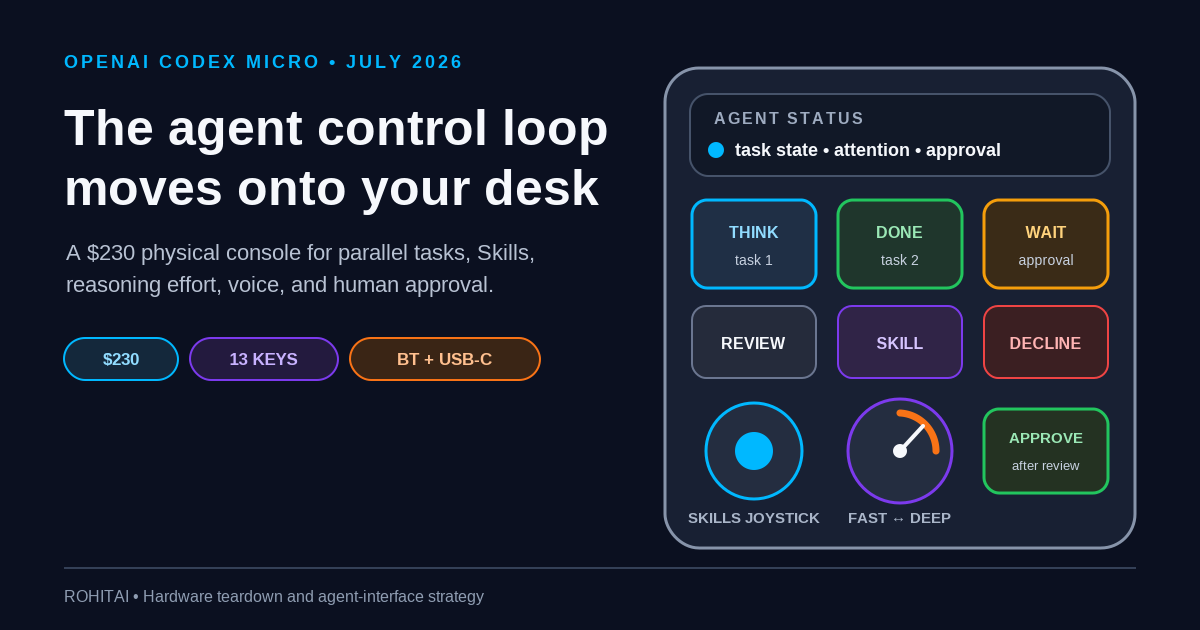
OpenAI's $230 Codex Micro turns task status, Skills, reasoning effort, voice, and approvals into a tactile desktop control surface.
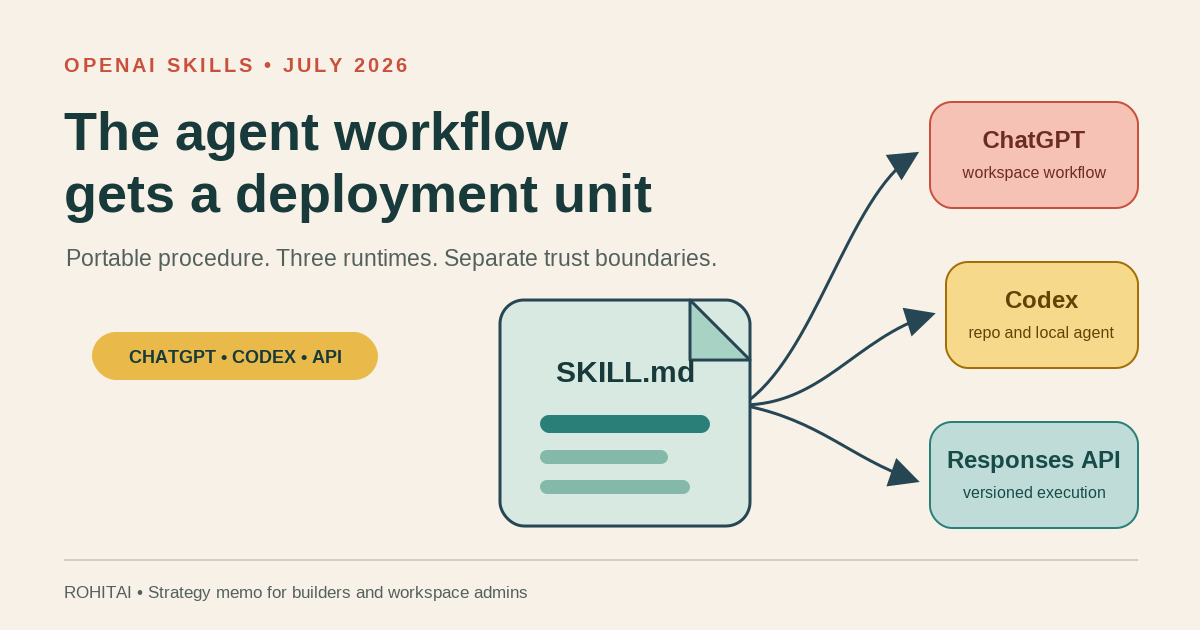
OpenAI Skills now spans ChatGPT, Codex, and the Responses API. The workflow format is portable; permissions, versions, and trust are not.