GPT-5.6 Is Here: Sol, Terra, Luna, and the New Politics of Frontier AI
OpenAI’s GPT-5.6 preview is more than a model launch. Sol, Terra, Luna, ultra mode, cyber safeguards, pricing, and access politics explained.
Practical writing on AI models, agents and tools: what changed, who it affects and what to do next.
OpenAI’s GPT-5.6 preview is more than a model launch. Sol, Terra, Luna, ultra mode, cyber safeguards, pricing, and access politics explained.
GPT-5.6 has not officially launched. Here is what credible reporting, OpenAI docs, and the GPT-5.5 baseline tell builders to expect.
A deep guide to Codex Remote: what it is, how it works across local machines, devboxes, and cloud tasks, and why it matters for AI engineering.
OpenAI Jalapeño is not just a custom AI chip. It is OpenAI’s move toward full-stack inference economics, agent latency, and compute control.
Sakana Fugu turns multi-agent coordination into a model API. Here is how it works, why it matters, and what builders should watch next.
GLM-5.2 is Z.ai’s open-weight coding model with 1M context, strong agent benchmarks, and a serious challenge to closed AI labs.
Claude Tag brings shared AI teammates into Slack. Here is how it works, why it matters, the risks, and what teams should watch next.
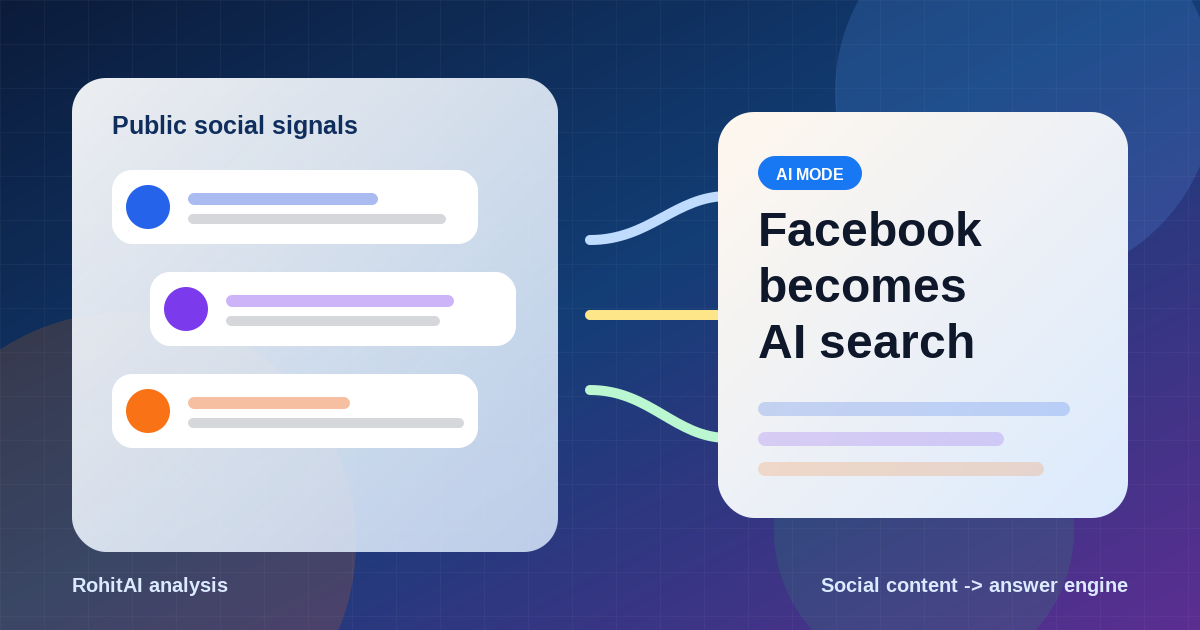
Meta's Facebook AI Mode turns public social content into answers. Here's how it works, why it matters, and what users should expect.
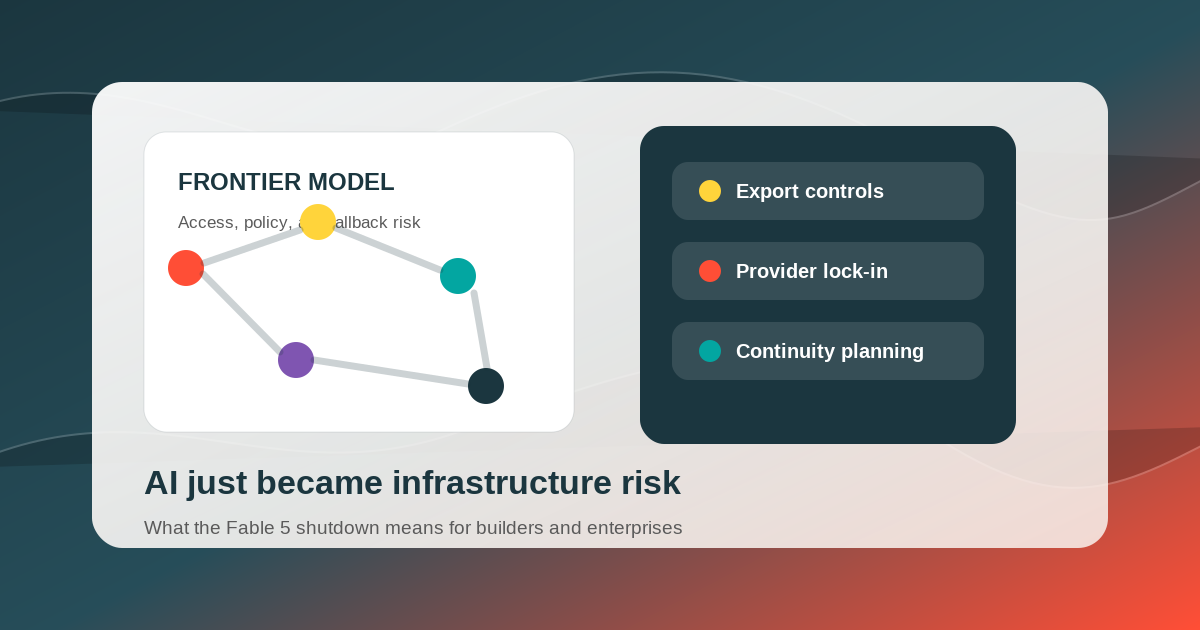
Why the U.S. forced Anthropic to shut off Fable 5 and Mythos 5, and what it means for India, builders, enterprises, and frontier AI access.
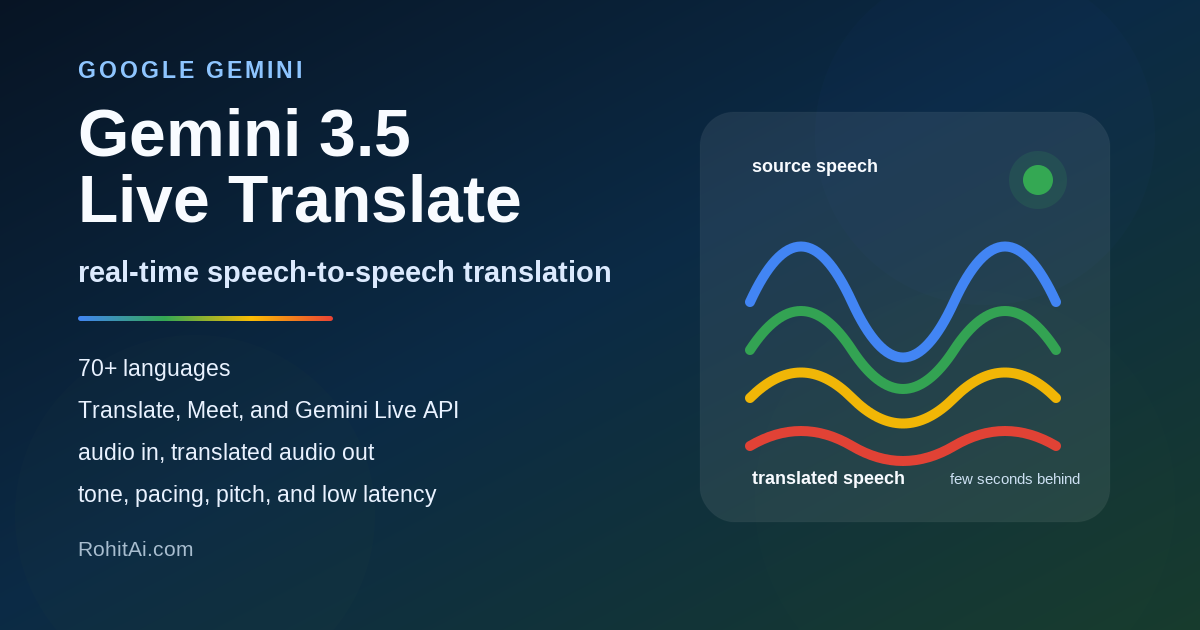
Google launched Gemini 3.5 Live Translate for real-time speech-to-speech translation in Translate, Meet, and the Gemini Live API. Here is what changed.
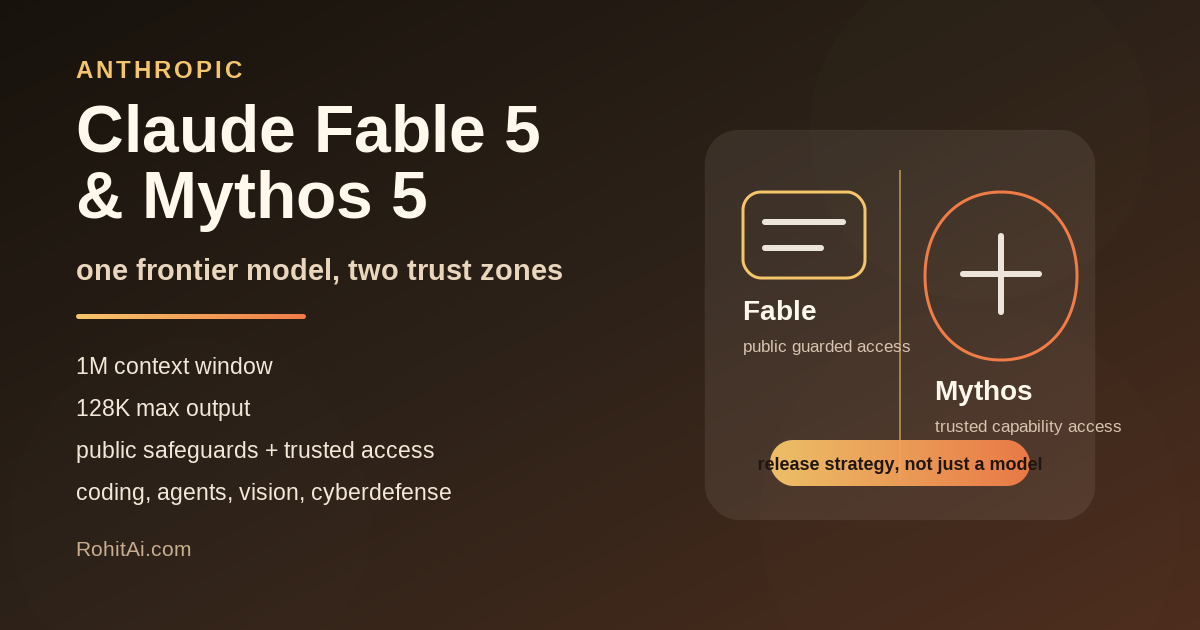
Anthropic released Claude Fable 5 and Mythos 5: one frontier model split into public and trusted-access versions. Here is what changed and why it matters.
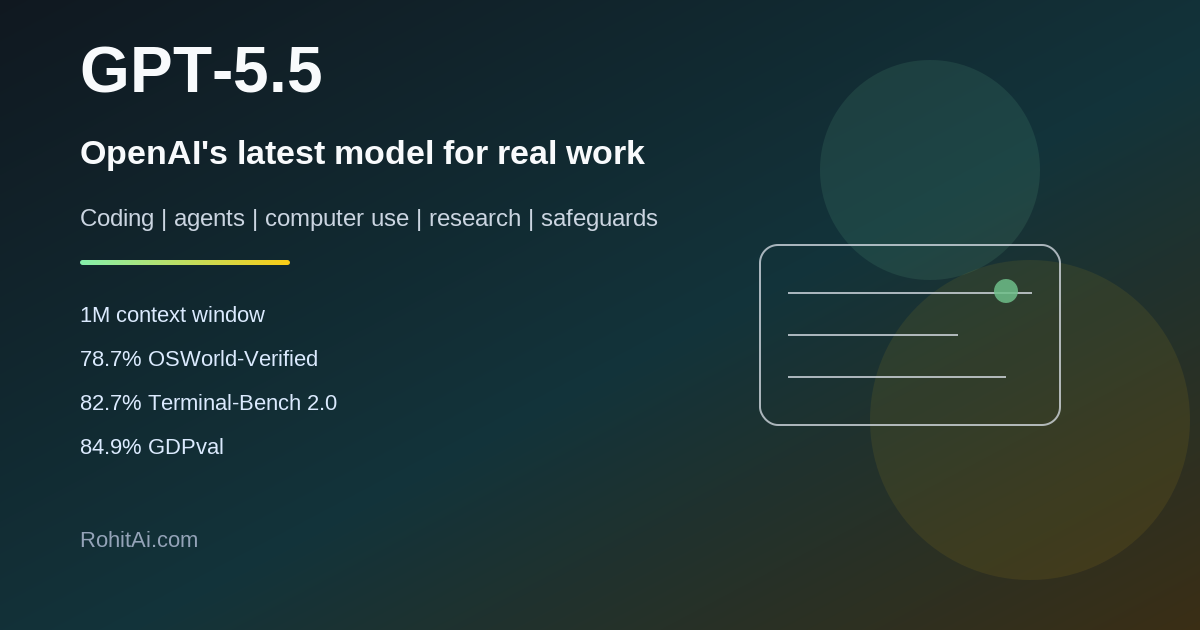
OpenAI released GPT-5.5 for coding, agents, computer use, research, and professional work. Here is what changed, the benchmarks, pricing, and safety picture.