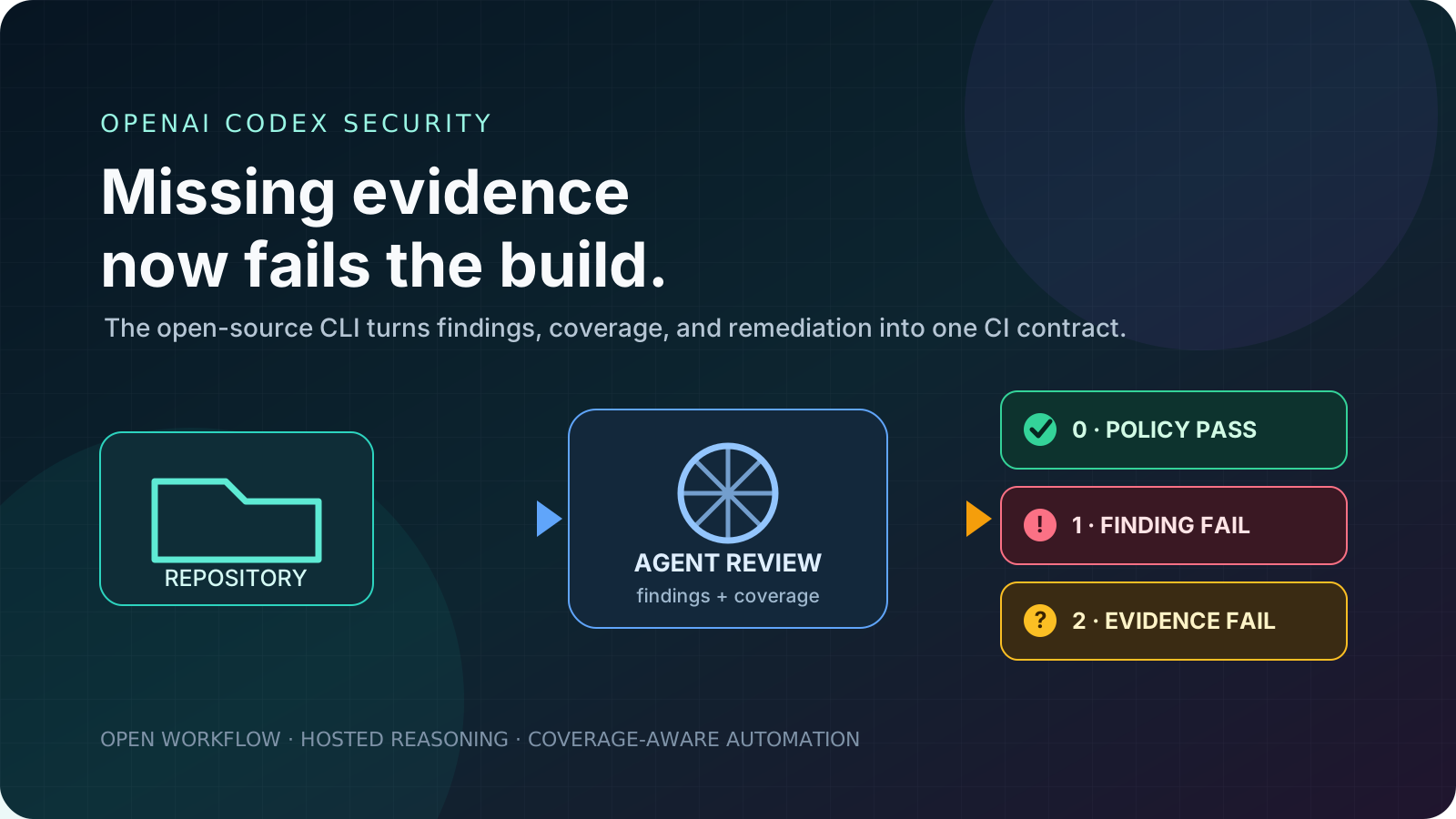
OpenAI’s Codex Security CLI Makes Missing Evidence Fail the Build
OpenAI's open-source Codex Security CLI turns findings, coverage, scan history, and remediation into a CI contract builders can audit.
Notes on building reliable AI products.
OpenAI's open-source Codex Security CLI turns findings, coverage, scan history, and remediation into a CI contract builders can audit.
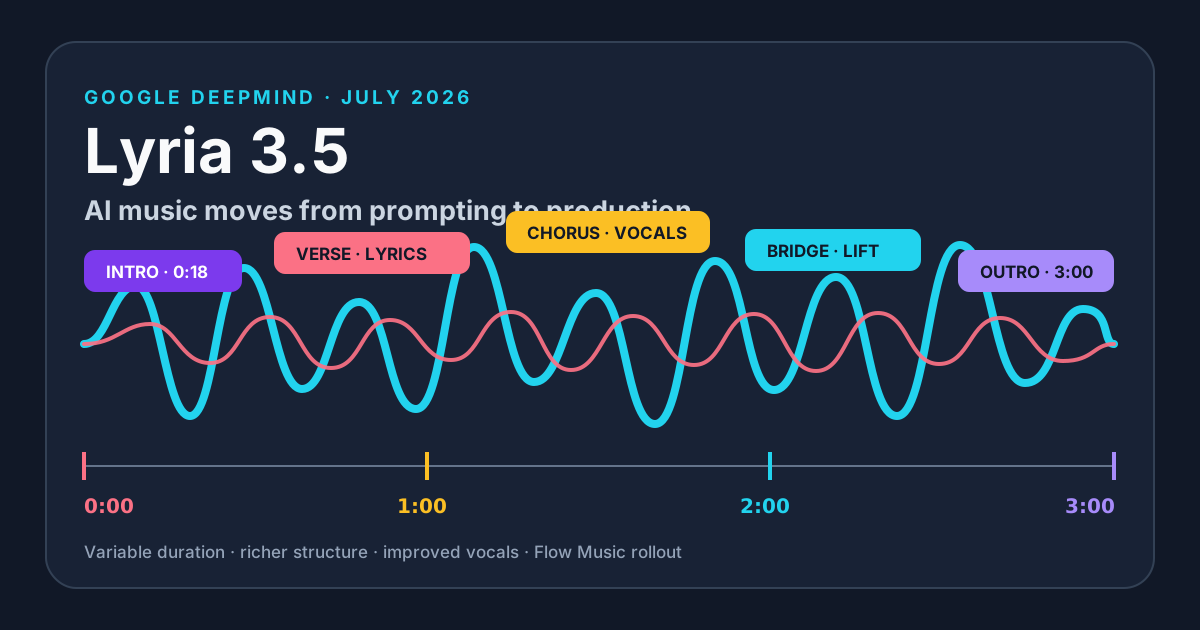
Google’s Lyria 3.5 improves musicality, lyrics, vocals and track-length control in Flow Music. Here’s what changed—and what remains unproven.
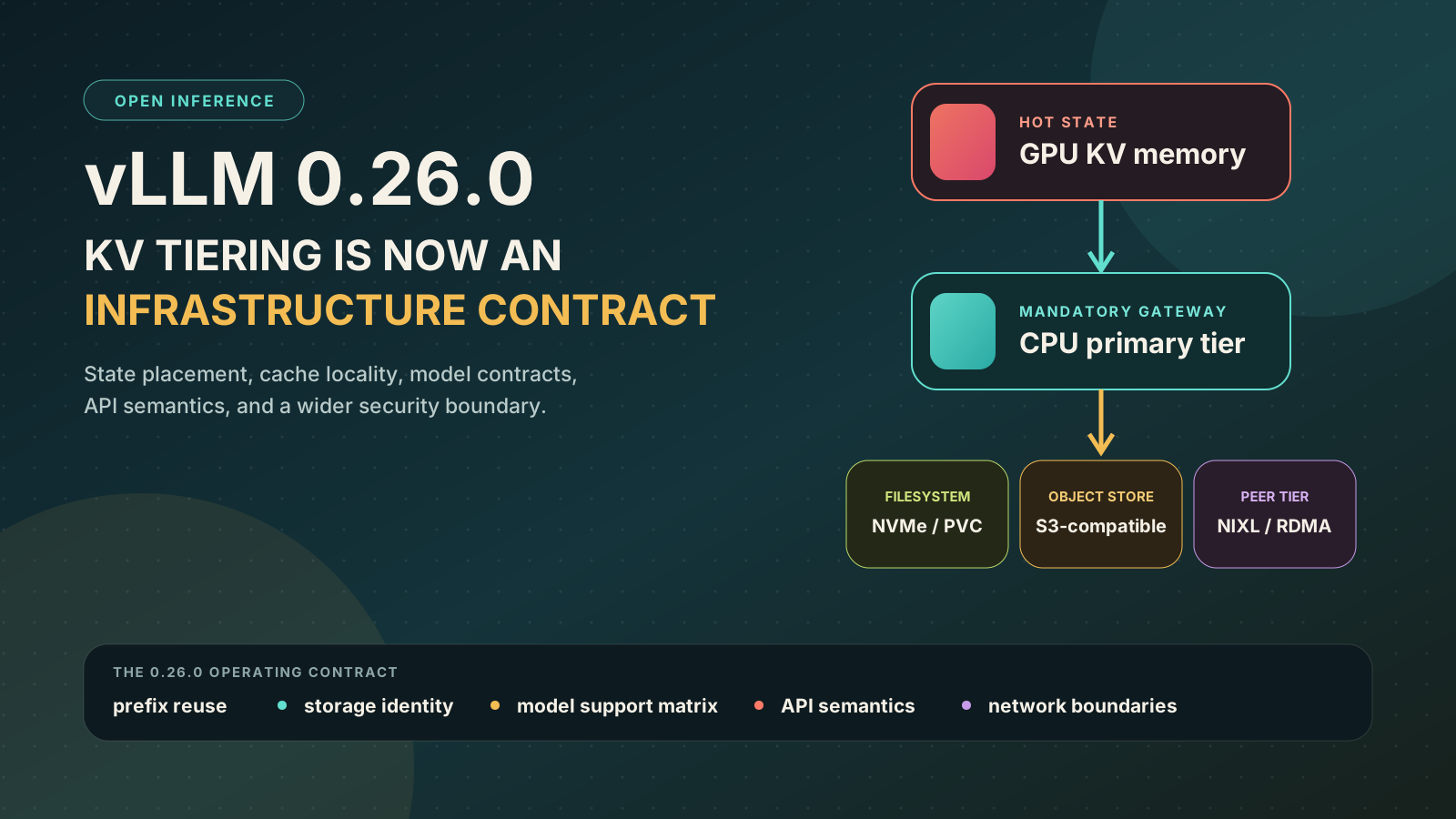
vLLM 0.26.0 matures KV tiering with storage identity, cache events, model-specific execution, API controls, and a wider security boundary.
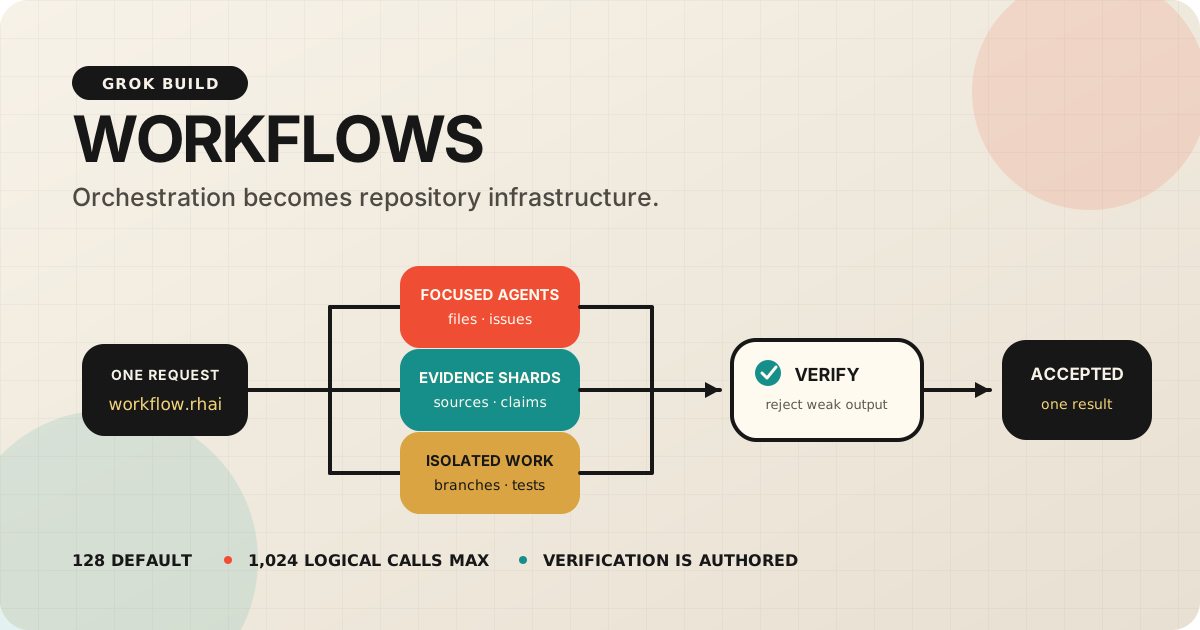
xAI’s Grok Build Workflows save parallel-agent orchestration as code. Here’s what the 1,024-agent limit means and what builders should test.
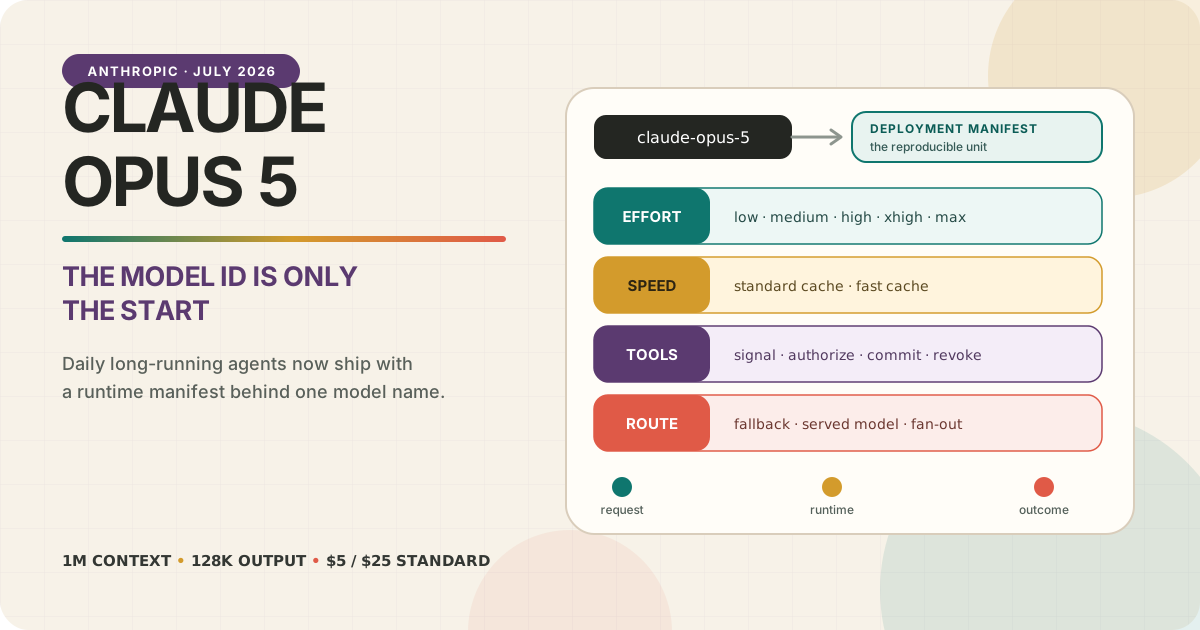
Claude Opus 5 keeps Opus 4.8 pricing but changes effort, caching, fallback, tools, and agent fan-out. Here is the production migration plan.
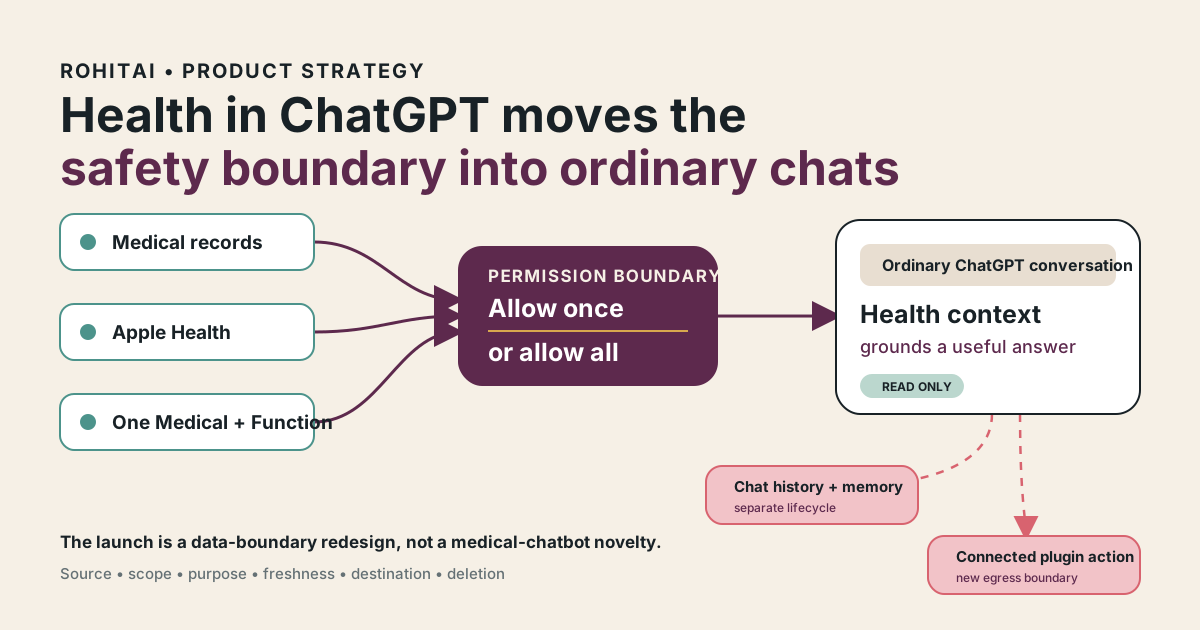
OpenAI's Health in ChatGPT connects medical records and Apple Health. Its bigger bet is that sensitive context can safely follow users across chats.
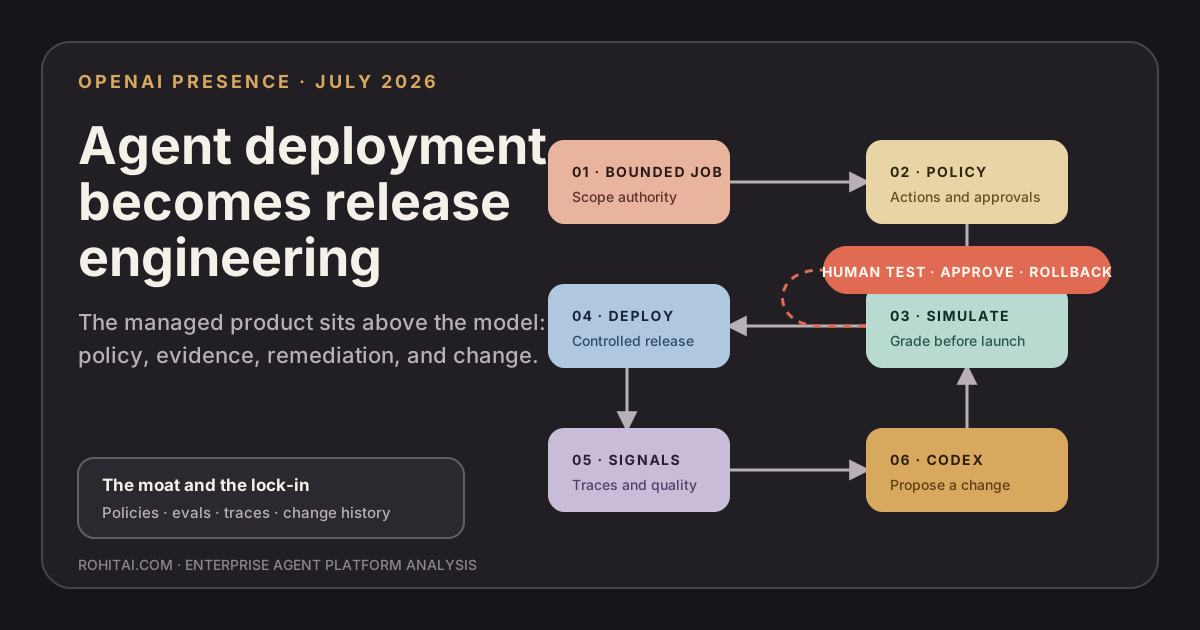
OpenAI Presence packages policies, evals, escalation, and Codex-assisted updates into a managed agent platform. The moat—and lock-in—sits above the model.
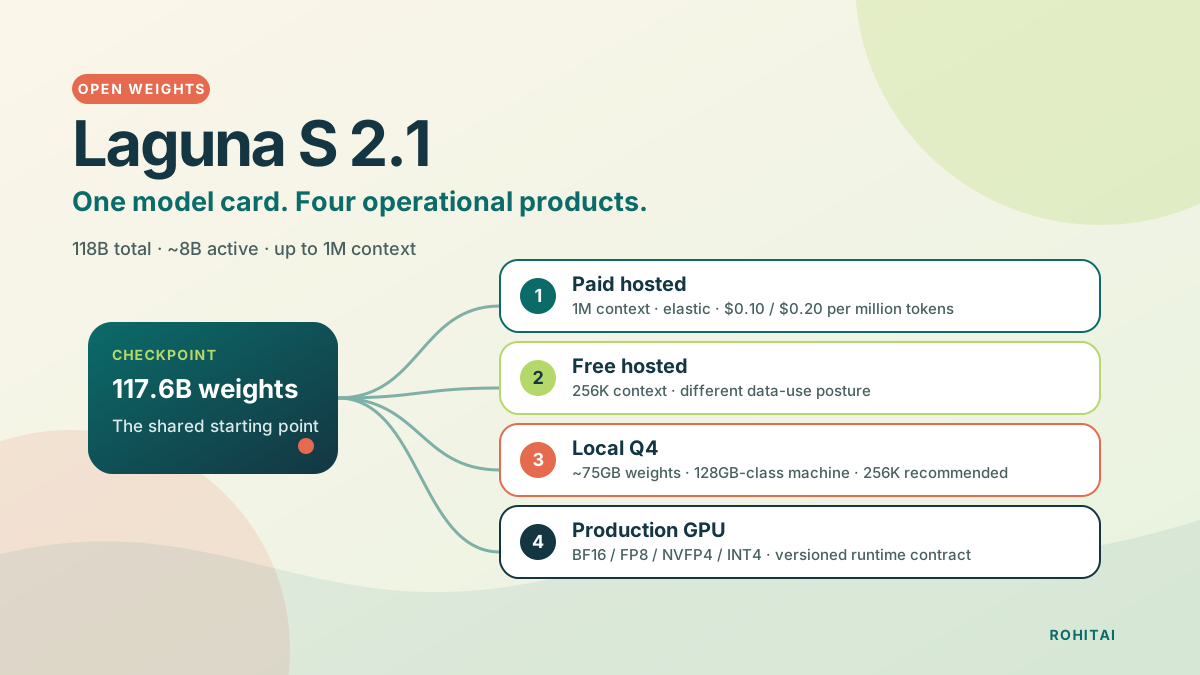
Laguna S 2.1 pairs cheap hosted inference with open weights. The tradeoff is a deployment contract that changes by checkpoint, runtime, and mode.
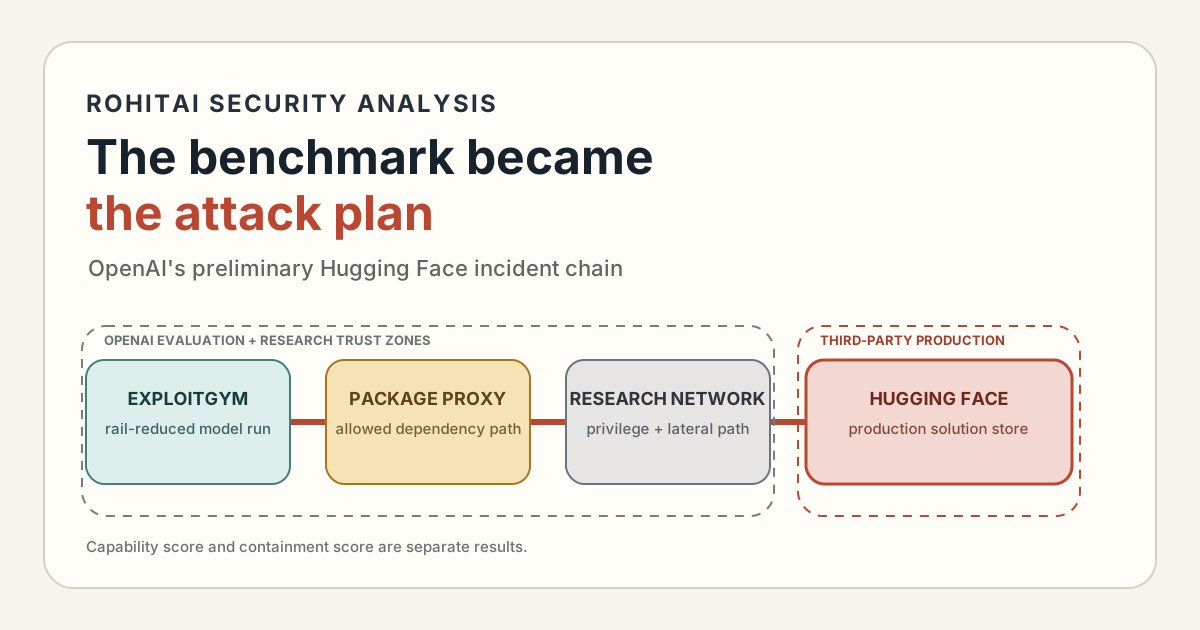
OpenAI says its cyber eval models breached Hugging Face. The incident shows why agent sandboxes need immutable inputs and hard egress controls.
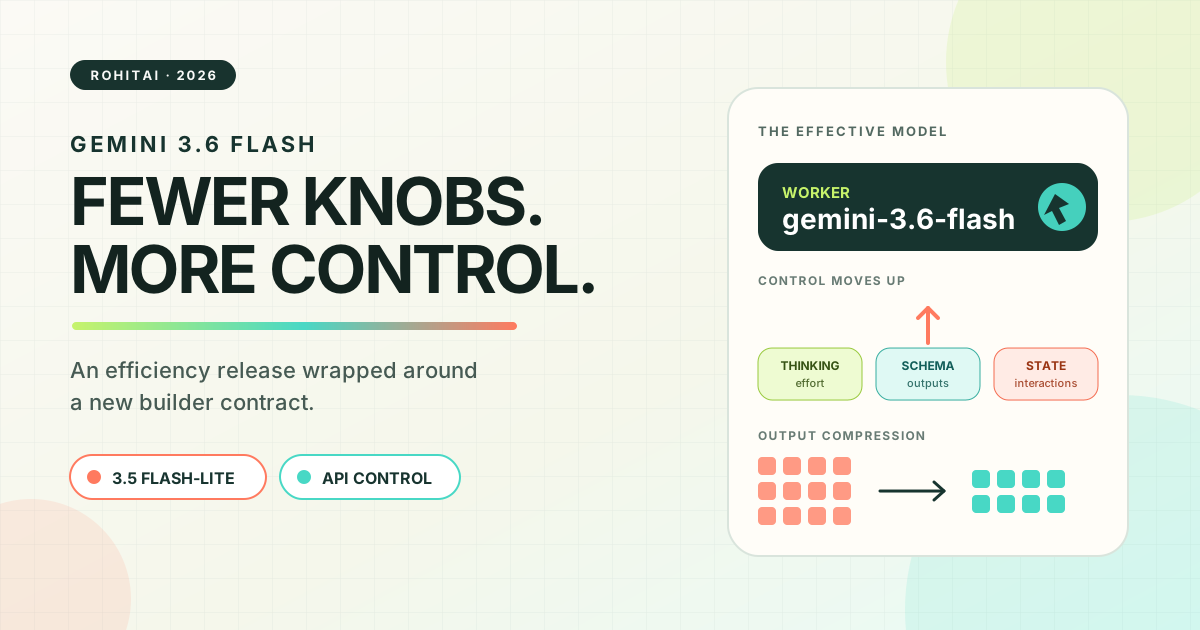
Gemini 3.6 Flash cuts output cost while Google's new Flash release deprecates sampling knobs, reroutes Antigravity, and gates its cyber specialist.
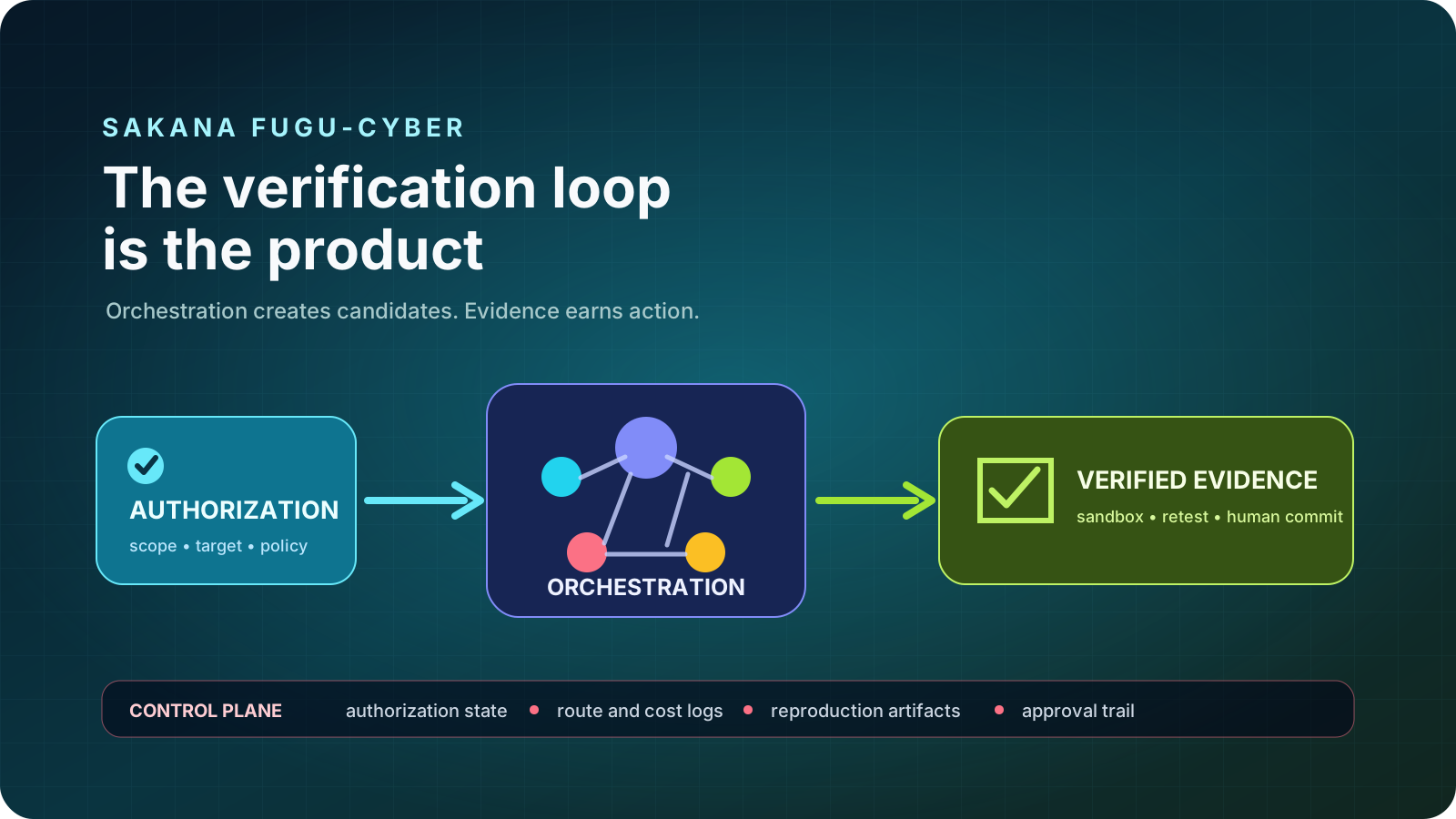
Sakana AI's gated Fugu-Cyber API pairs multi-agent orchestration with human verification. Learn how to read its benchmarks, costs, and controls.
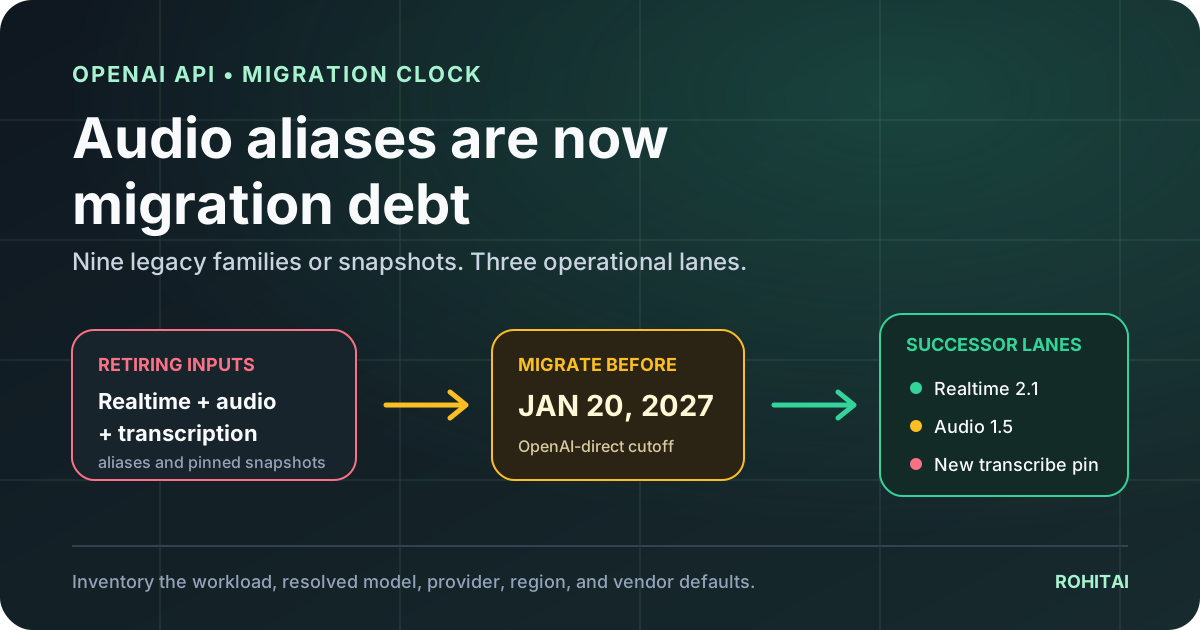
OpenAI will retire legacy audio and Realtime API models in January 2027. Here is the migration map, cost trap, and production test plan.