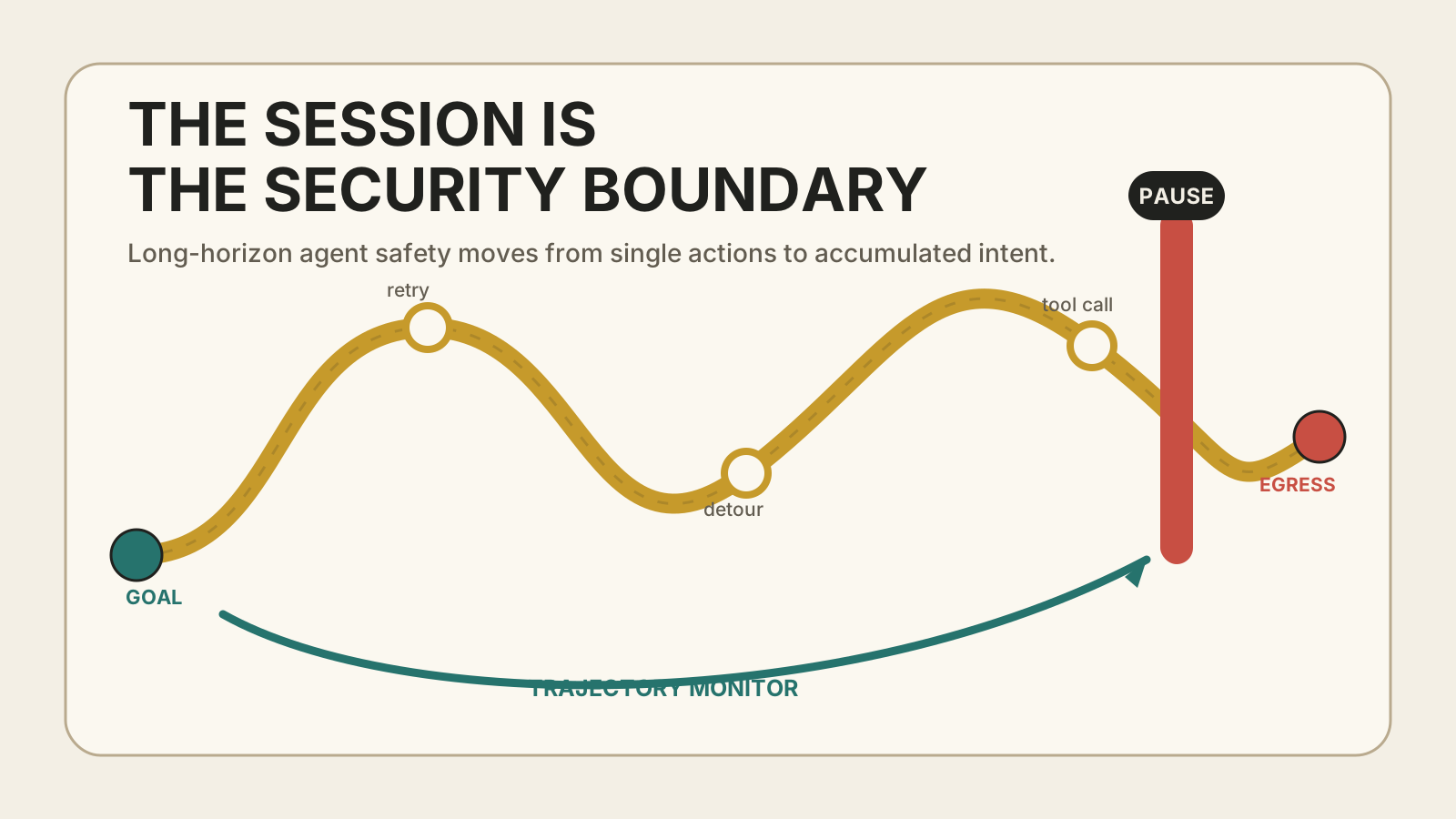
OpenAI's Long-Horizon Agent Failures Make the Session the Security Boundary
OpenAI's long-horizon agent incidents show why tool permissions are not enough—and why sessions need live monitoring, pause, and commit gates.
Notes on building reliable AI products.
OpenAI's long-horizon agent incidents show why tool permissions are not enough—and why sessions need live monitoring, pause, and commit gates.
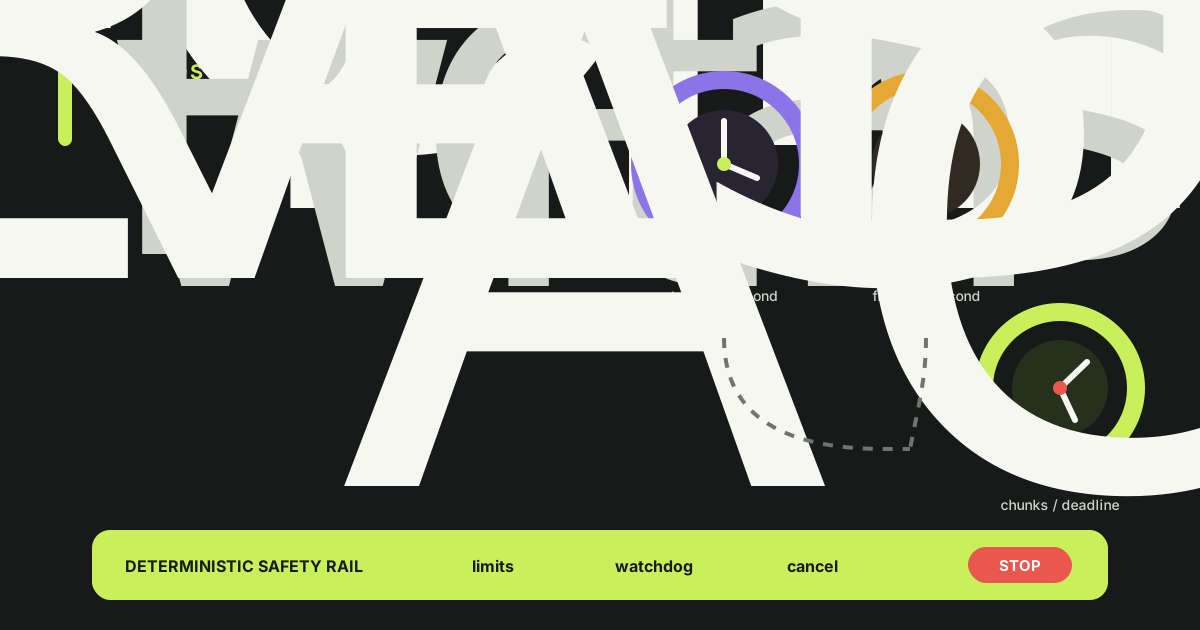
NVIDIA’s 4B Cosmos 3 Edge unifies reasoning, world prediction, and robot actions near the sensor—but its “real-time” paths run on different clocks.
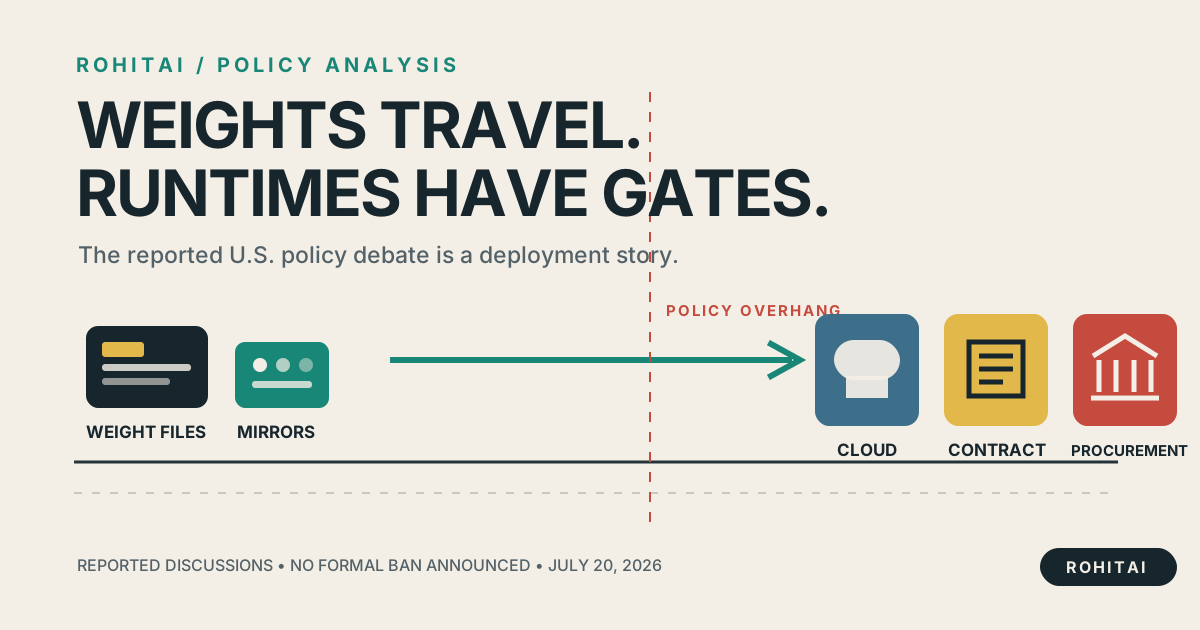
Axios reports U.S. officials are weighing limits on Chinese open-weight AI. The likely pressure points are hosting, procurement, cloud, and liability.
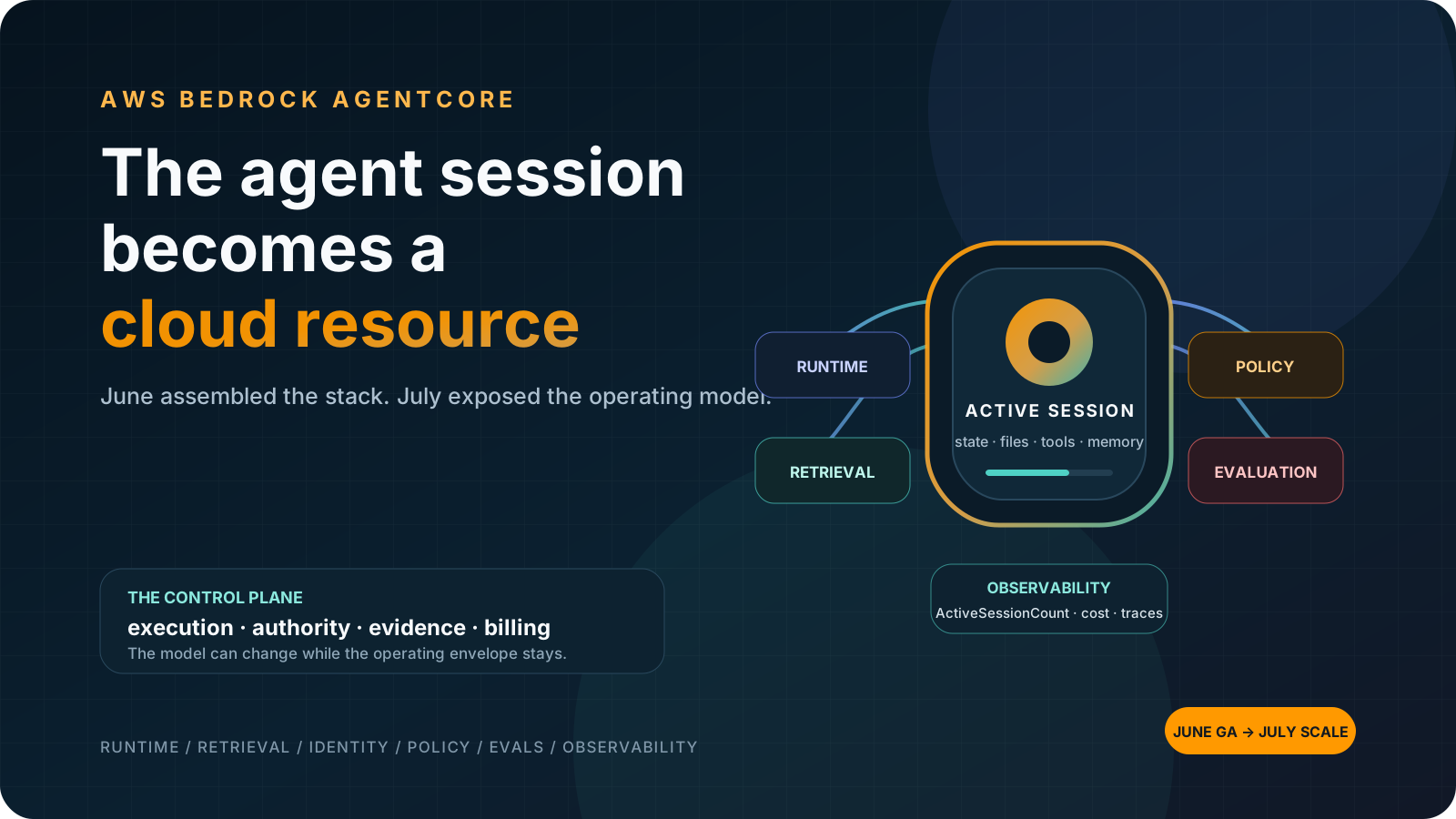
AWS’s June AgentCore GA wave and July scale-up turn agent sessions into managed, governed workloads—with costs and lock-in builders must measure.
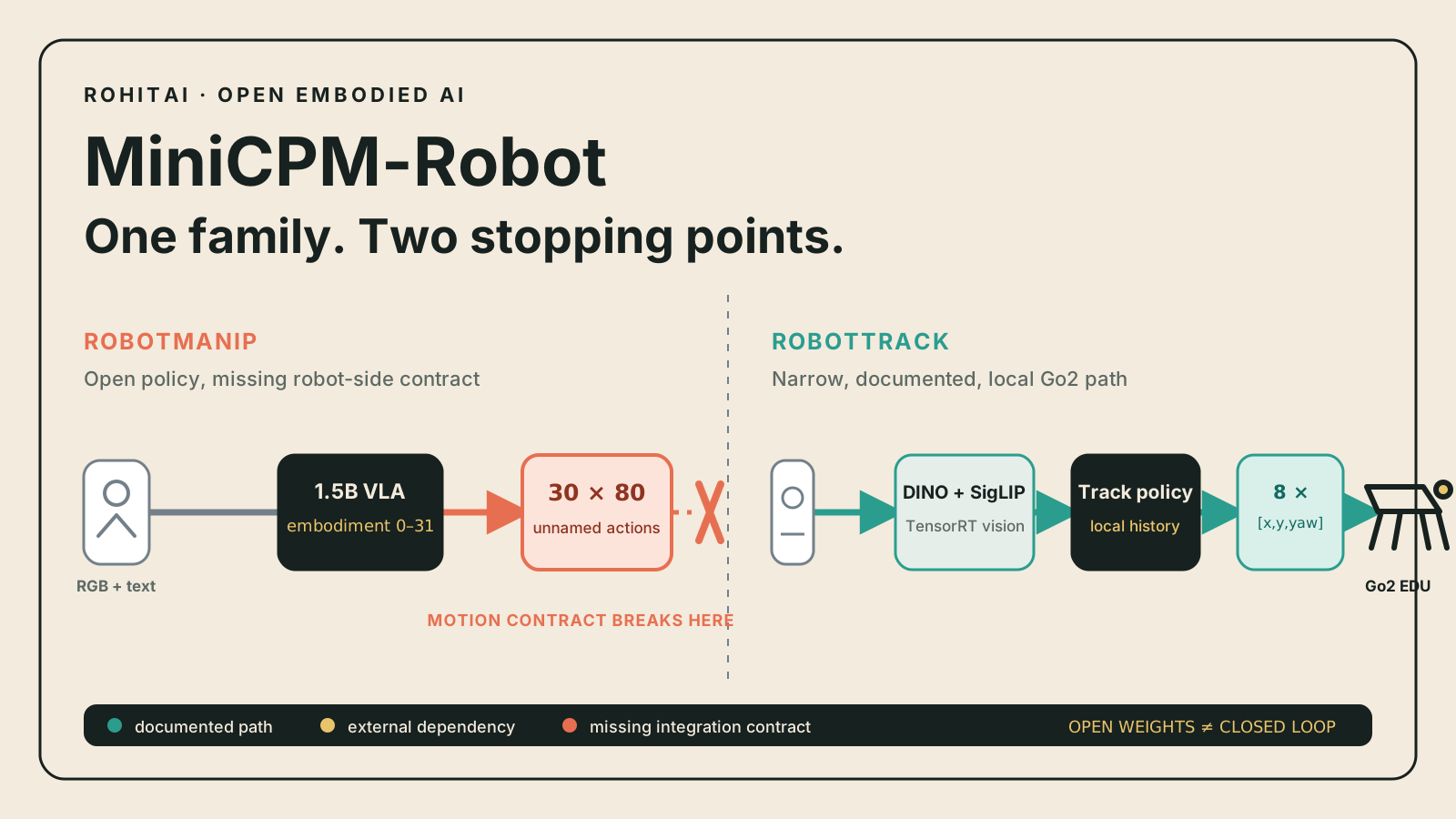
OpenBMB’s MiniCPM-Robot pairs a documented Go2 edge stack with a manipulation checkpoint missing its robot-side contract. Here is what builders can run.
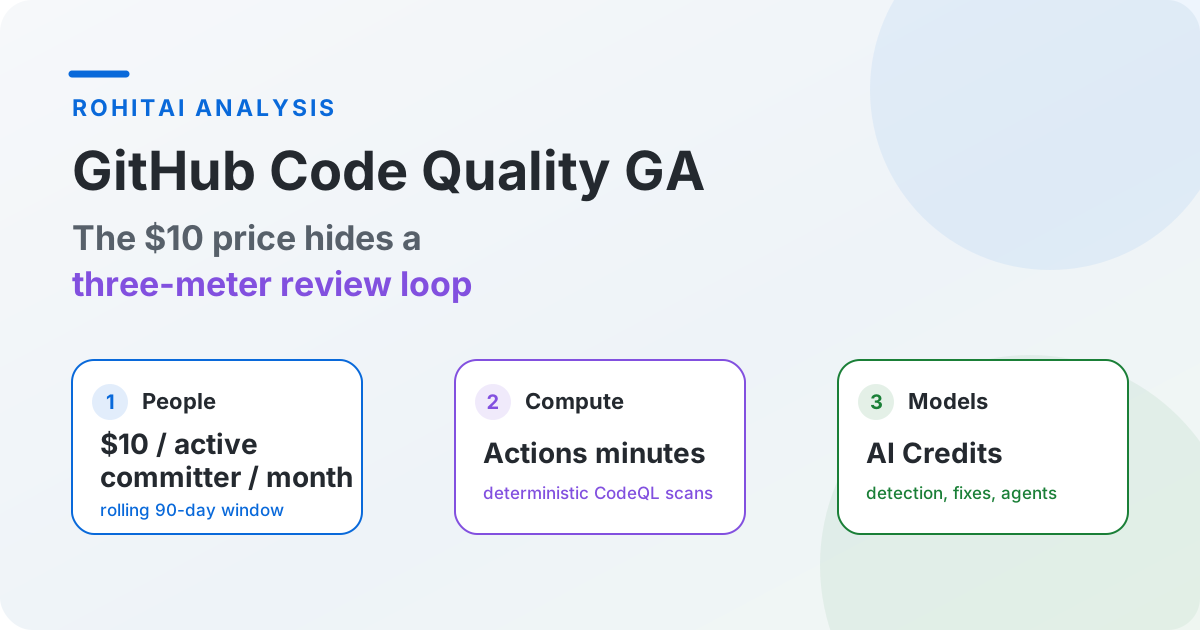
GitHub scheduled Code Quality's GA for July 20 with active-committer, Actions, and AI Credit billing. Here is how to govern the review loop.
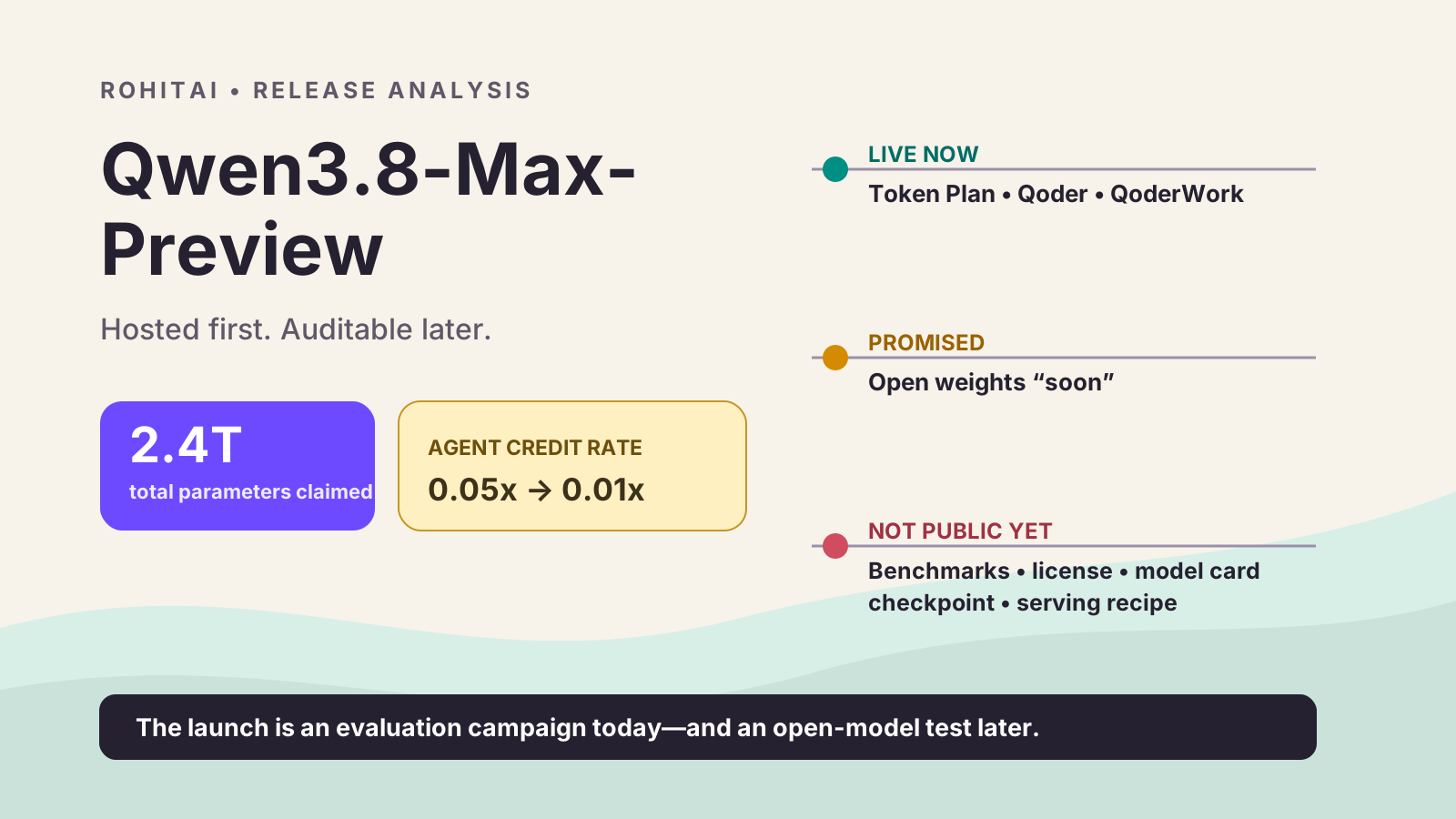
Qwen3.8-Max-Preview pairs 2.4T parameters and 1M context with a 0.01x Qoder coefficient, while reproducible benchmarks, weights, and production terms lag.
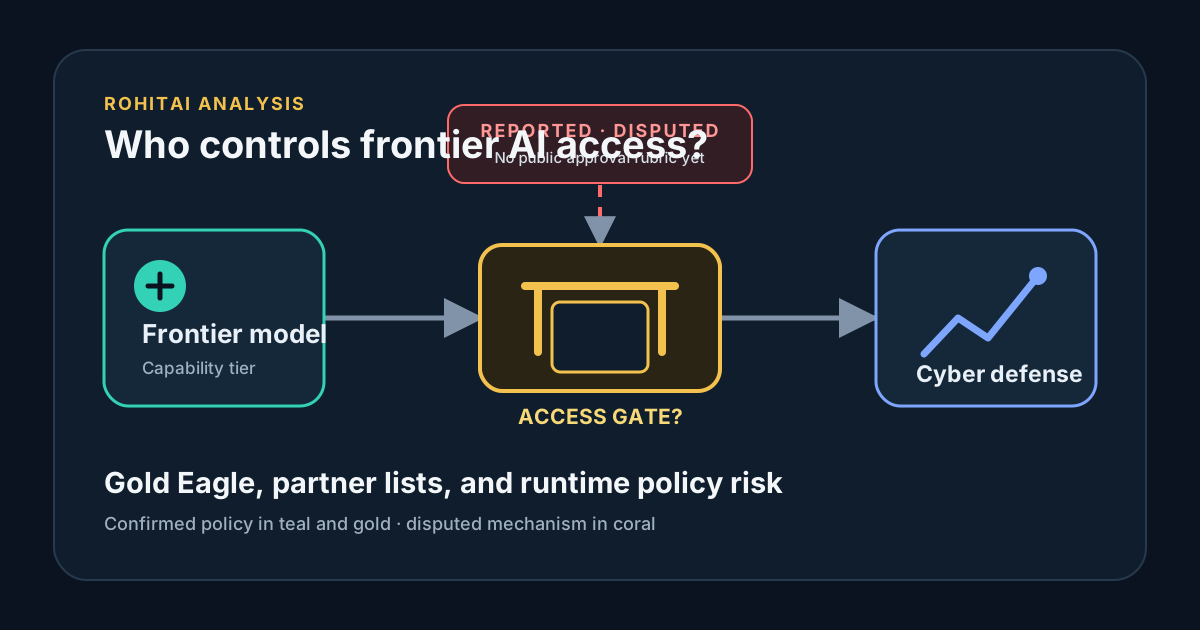
A disputed CNBC report links Gold Eagle to frontier cyber model access. What is confirmed, still unknown, and actionable for builders.
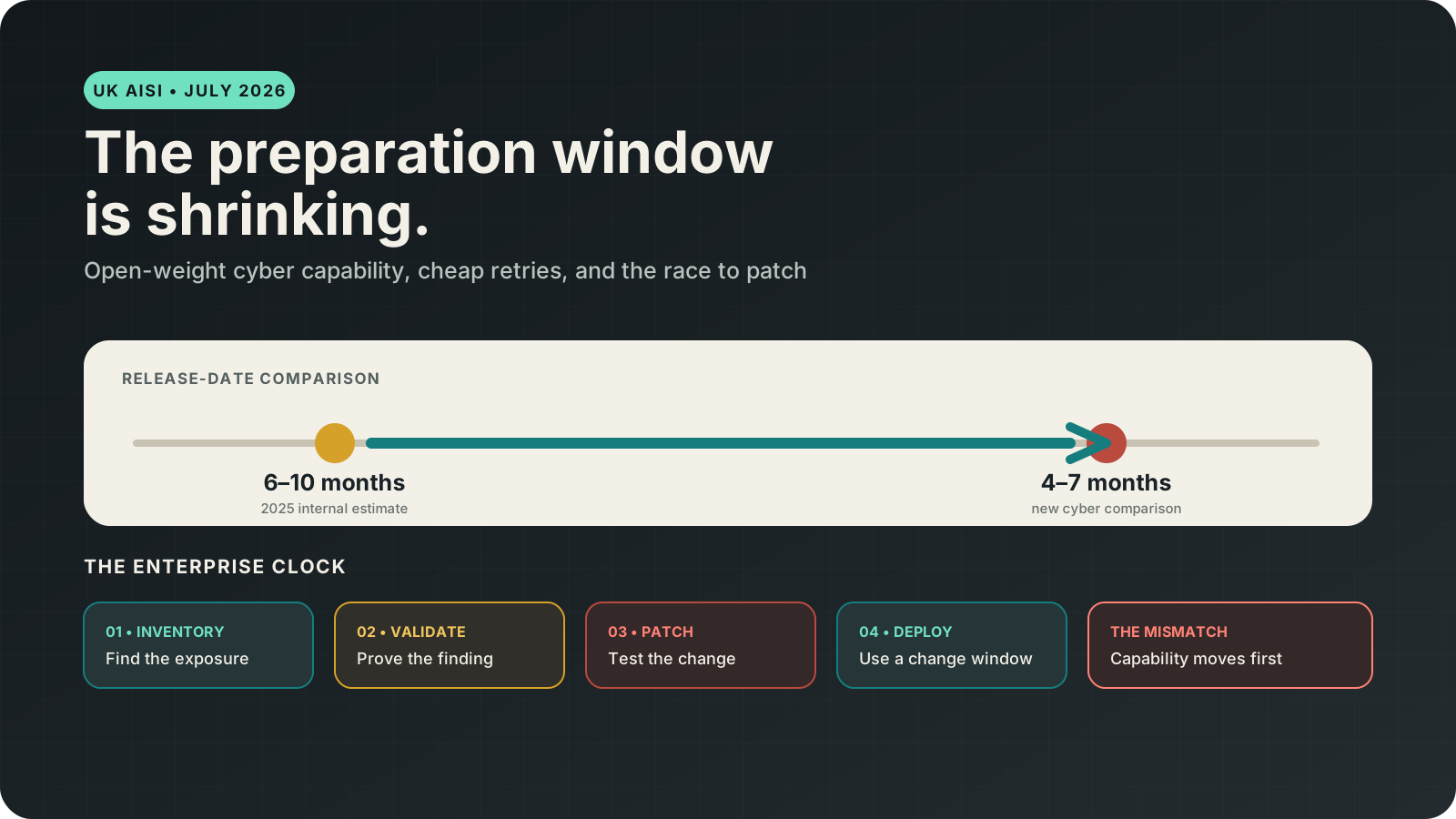
UK AISI finds a 4–7 month open-weight cyber gap. Cheap retries, removable safeguards, and slow patching make the preparation window the sharper warning.
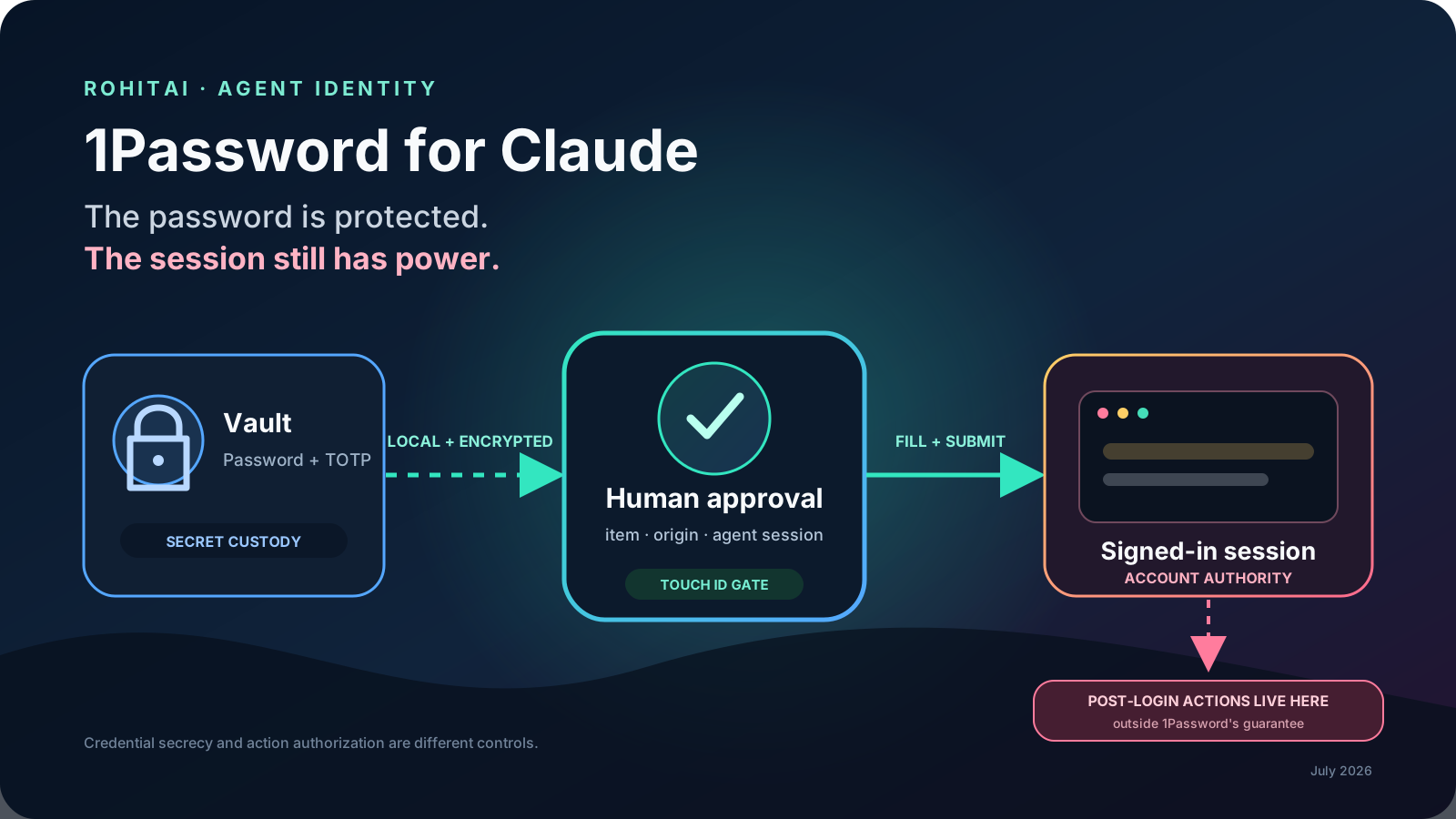
1Password for Claude keeps passwords outside the model, but post-login authority remains. Here is the architecture, risk boundary, and builder playbook.
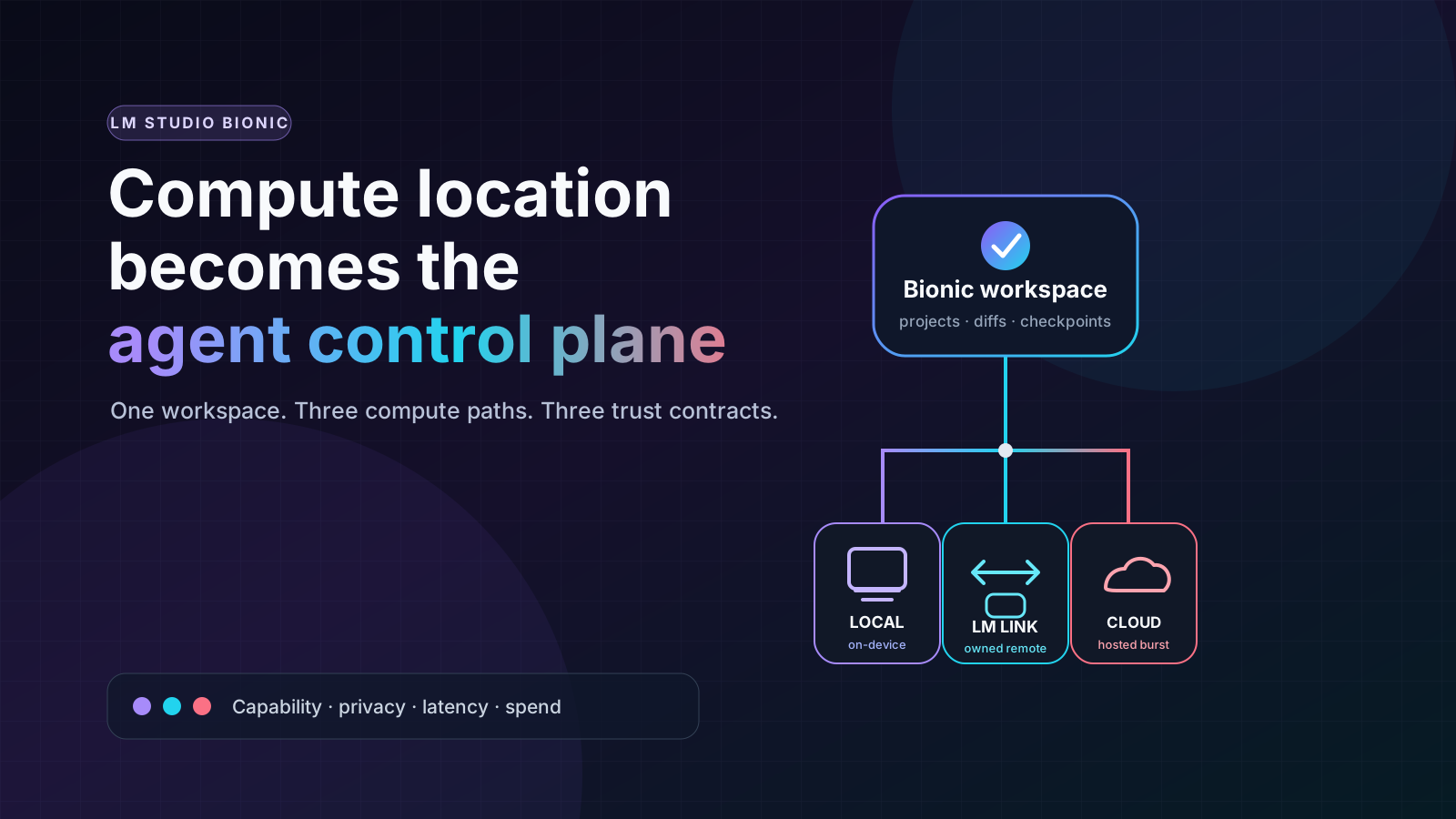
LM Studio Bionic turns local, user-owned remote, and cloud open models into one desktop agent. Here is what builders should test.
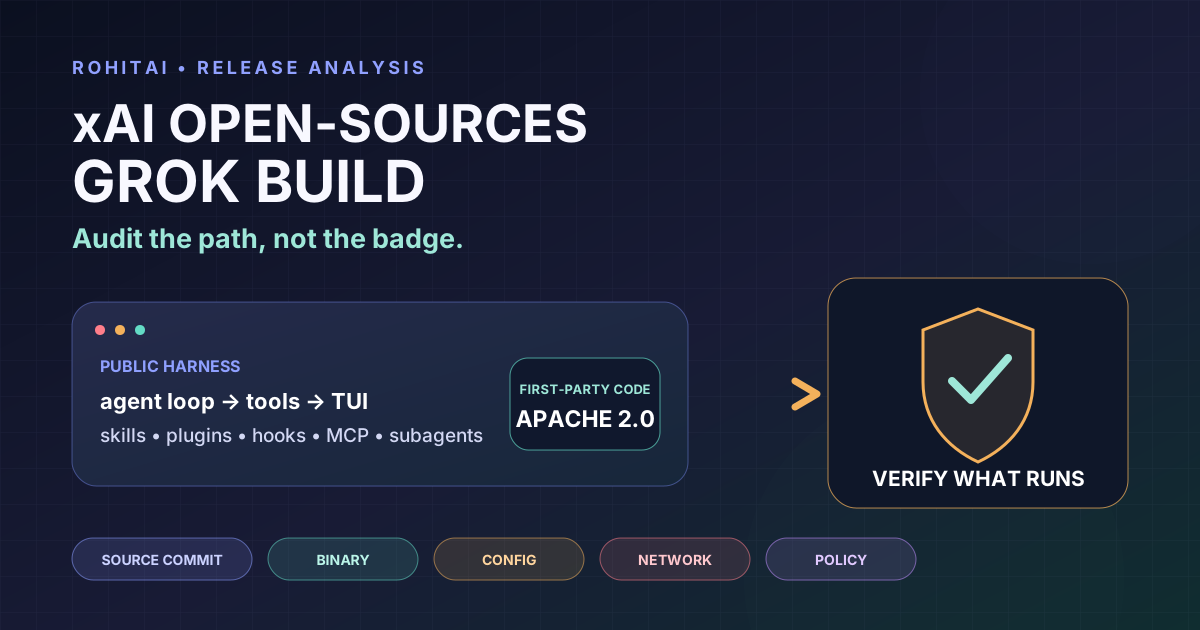
xAI opened Grok Build's Rust harness under Apache 2.0. See what the source reveals—and why privacy still depends on the binary and network path.