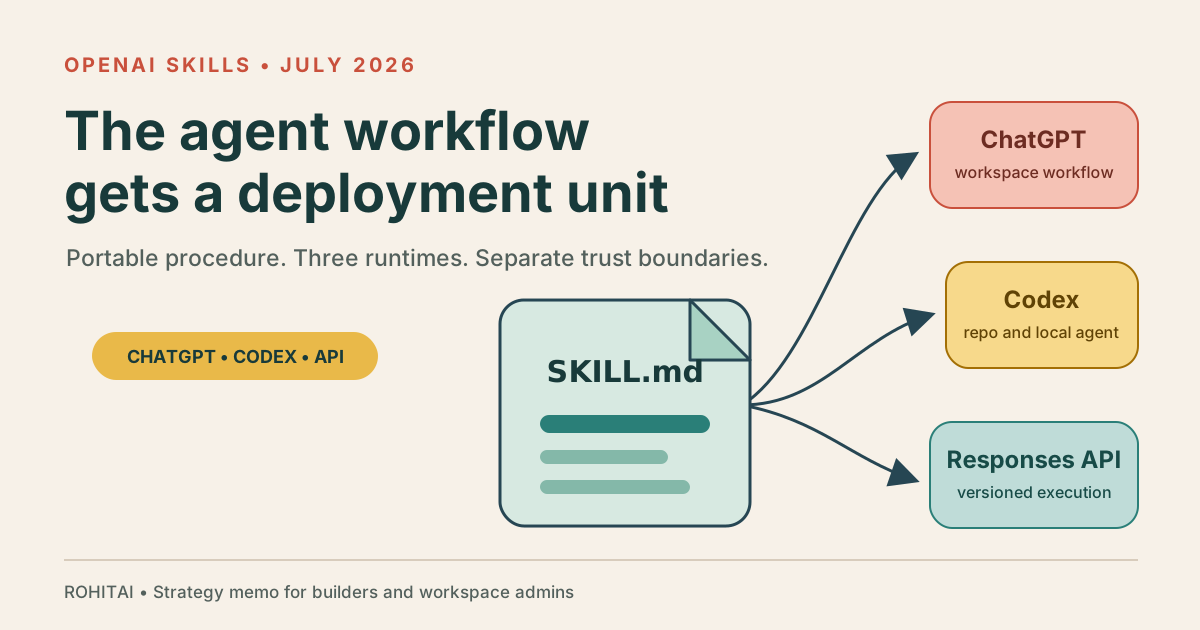
OpenAI Skills Turns Agent Workflows Into a Cross-Product Standard
OpenAI Skills now spans ChatGPT, Codex, and the Responses API. The workflow format is portable; permissions, versions, and trust are not.
Notes on building reliable AI products.
OpenAI Skills now spans ChatGPT, Codex, and the Responses API. The workflow format is portable; permissions, versions, and trust are not.
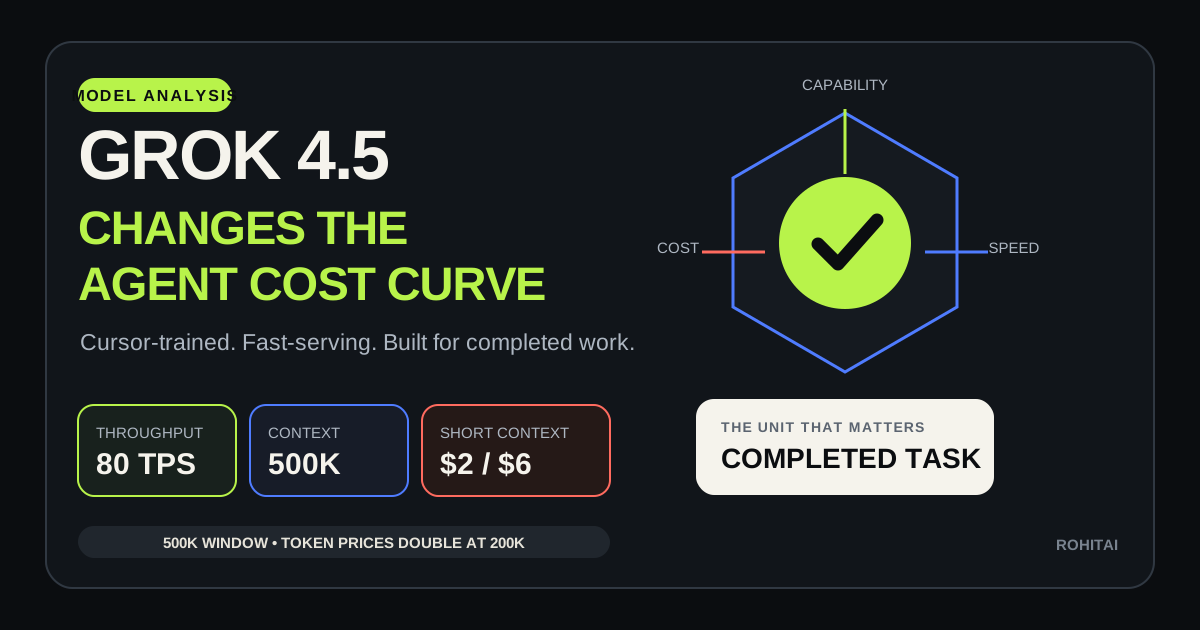
Grok 4.5 combines Cursor-trained agent intelligence, 80 TPS, a 500K context window, and $2/$6 pricing. Here is the cost-per-task case.
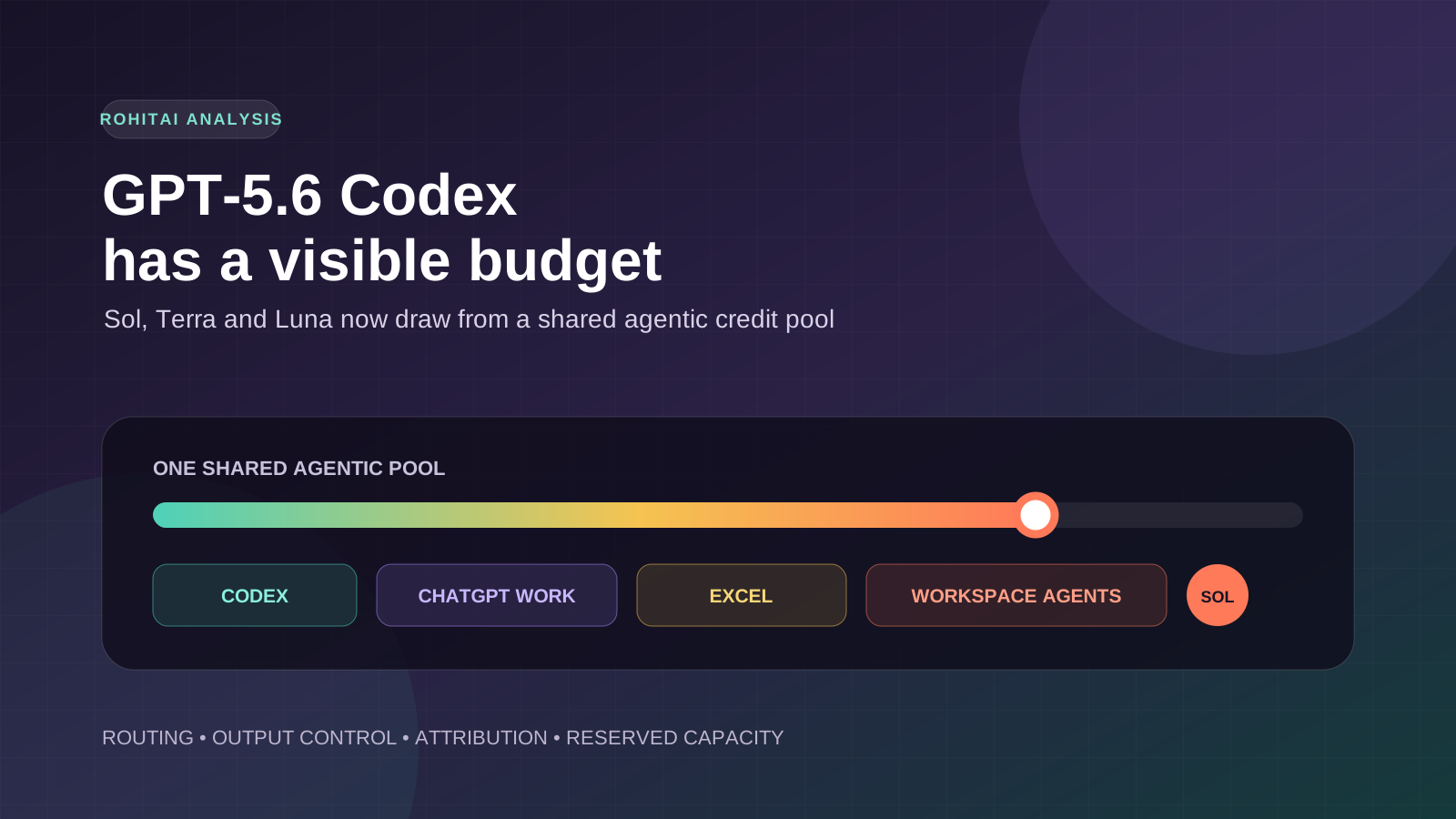
OpenAI's GPT-5.6 Codex rate card reveals Sol, Terra and Luna credit costs—and one shared budget across Codex, Work, Excel and agents.
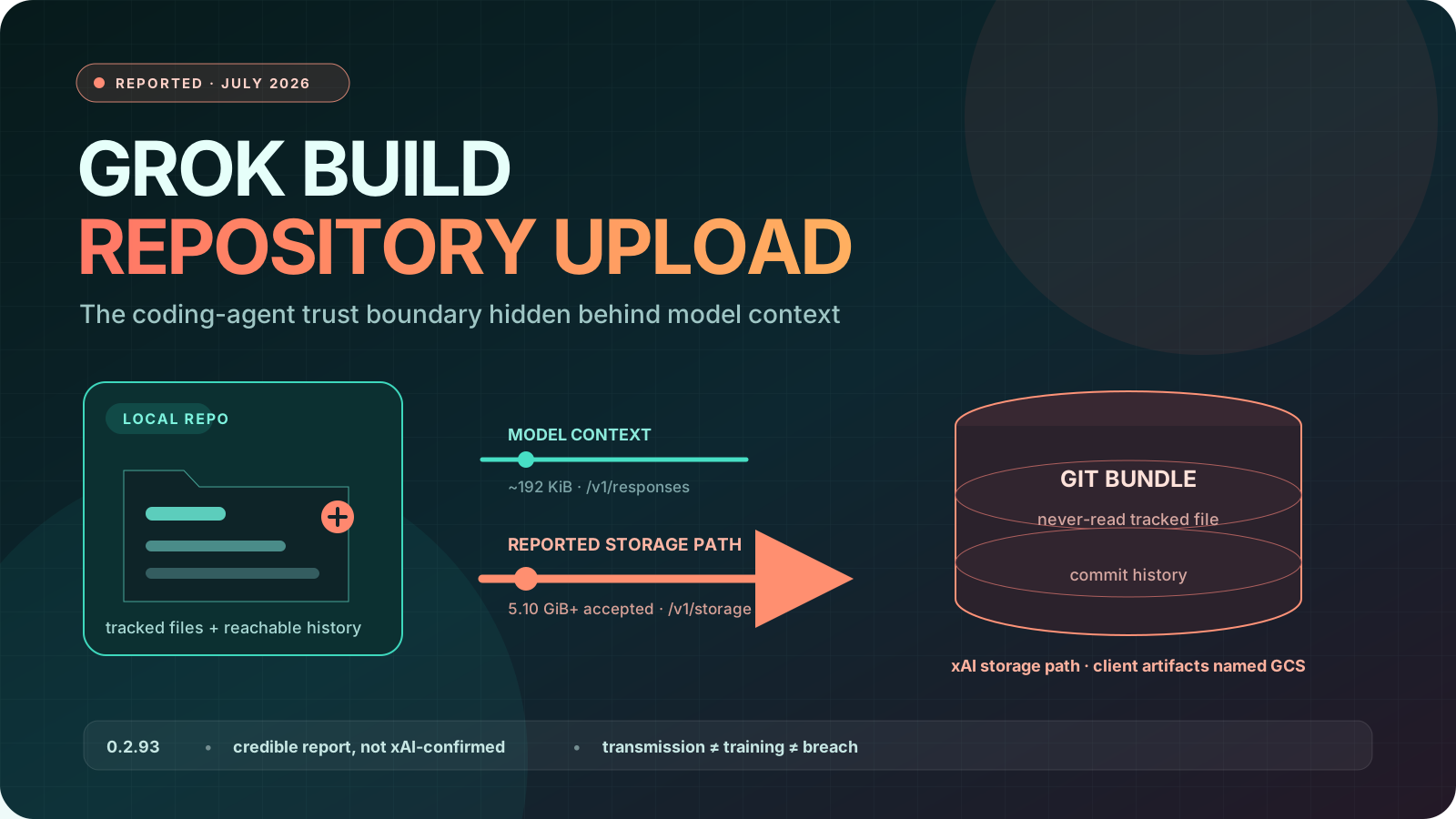
A wire-level report says Grok Build 0.2.93 sent tracked repository content and Git history to xAI storage. Here's what the evidence supports.
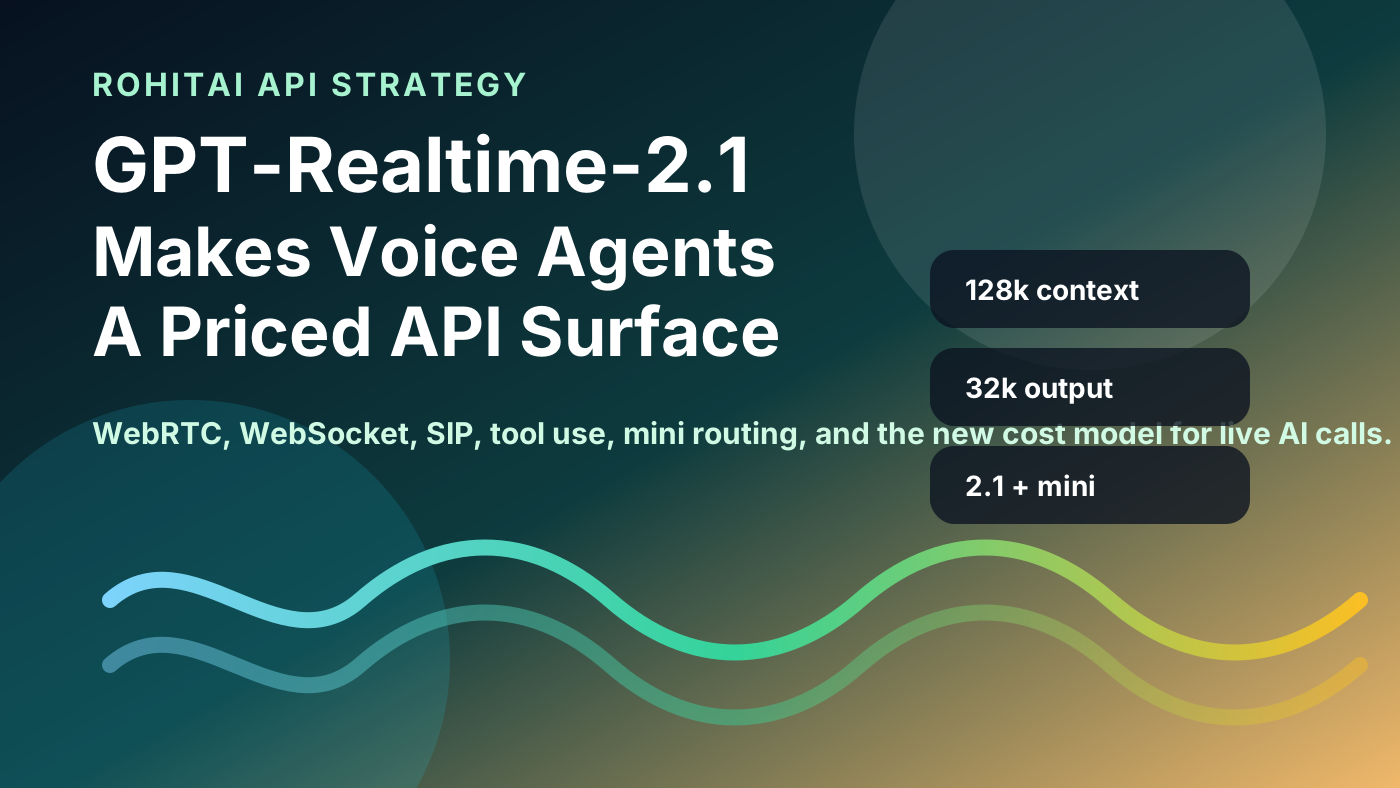
OpenAI's GPT-Realtime-2.1 release gives API voice agents a sharper cost, routing, and eval model across WebRTC, WebSocket, and SIP.
ChatGPT Work turns ChatGPT into an agent for apps, files, desktop, Sites, and scheduled tasks. Here is why it matters for teams.
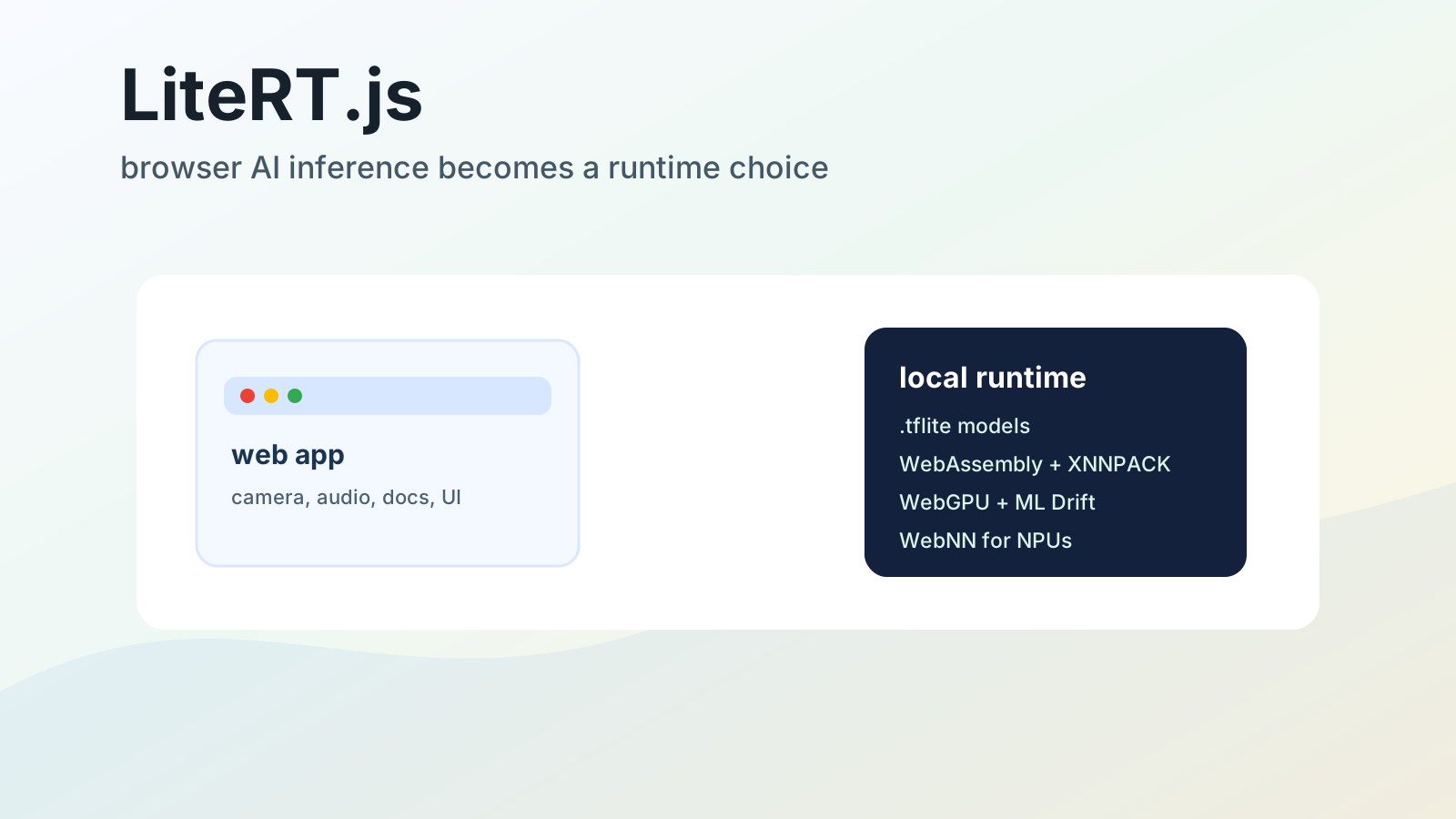
Google LiteRT.js brings fast .tflite inference to browsers with WebGPU, WebAssembly, and WebNN, reshaping private local AI apps.
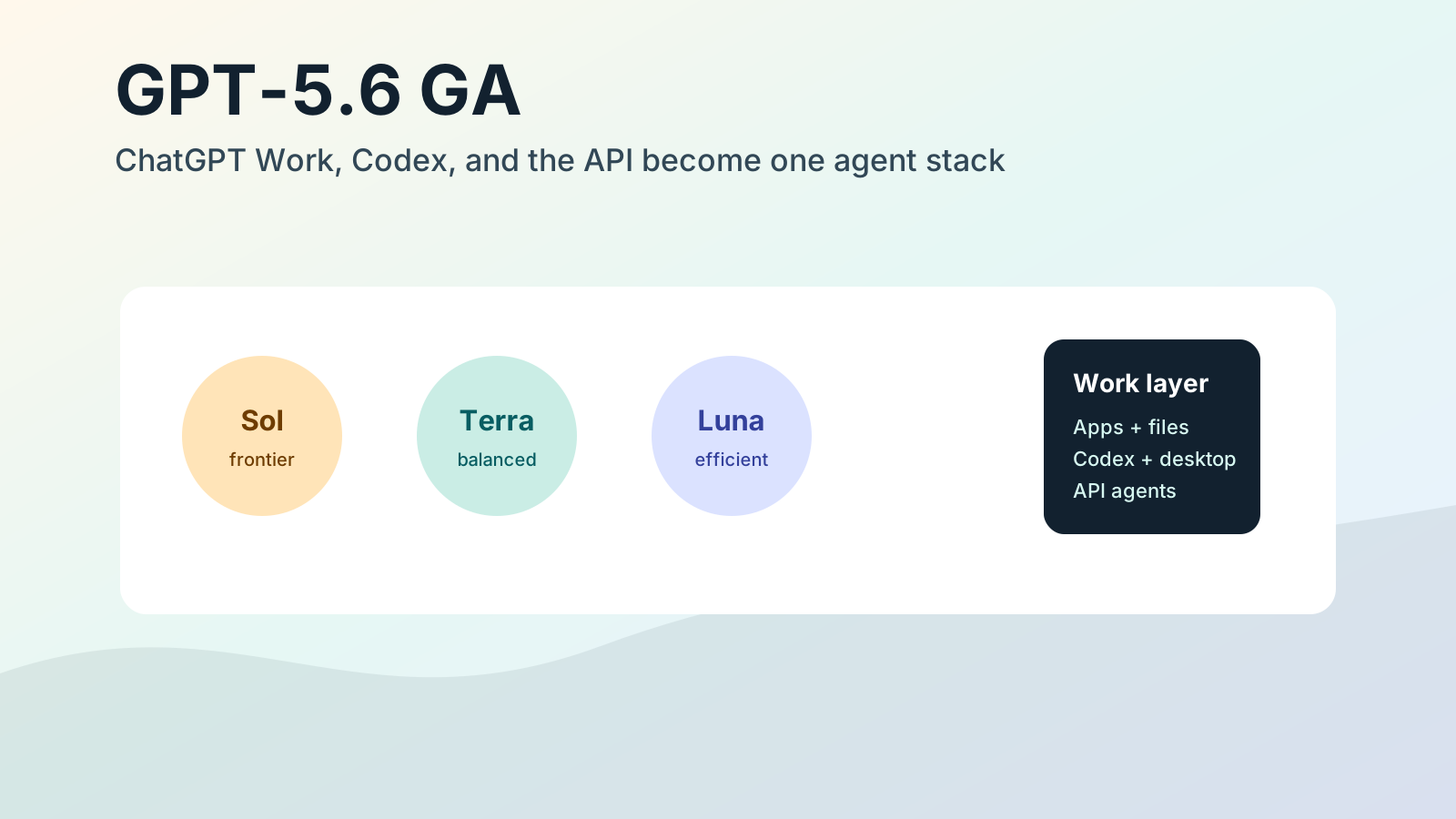
GPT-5.6 GA, ChatGPT Work, Codex desktop, and API agents show OpenAI turning frontier models into a governed work layer for teams.
Meta's Muse Spark 1.1 opens a developer API for coding, agents, and multimodal apps. Here is why the launch matters for builders.

Hugging Face's Reachy Mini turns robotics into a forkable software platform. Here is what launched, why it matters, and what builders should watch.
Tencent Hy3 turns Hunyuan into a production AI model for agents, coding, office work, and WeChat-scale deployment. Here is why it matters.
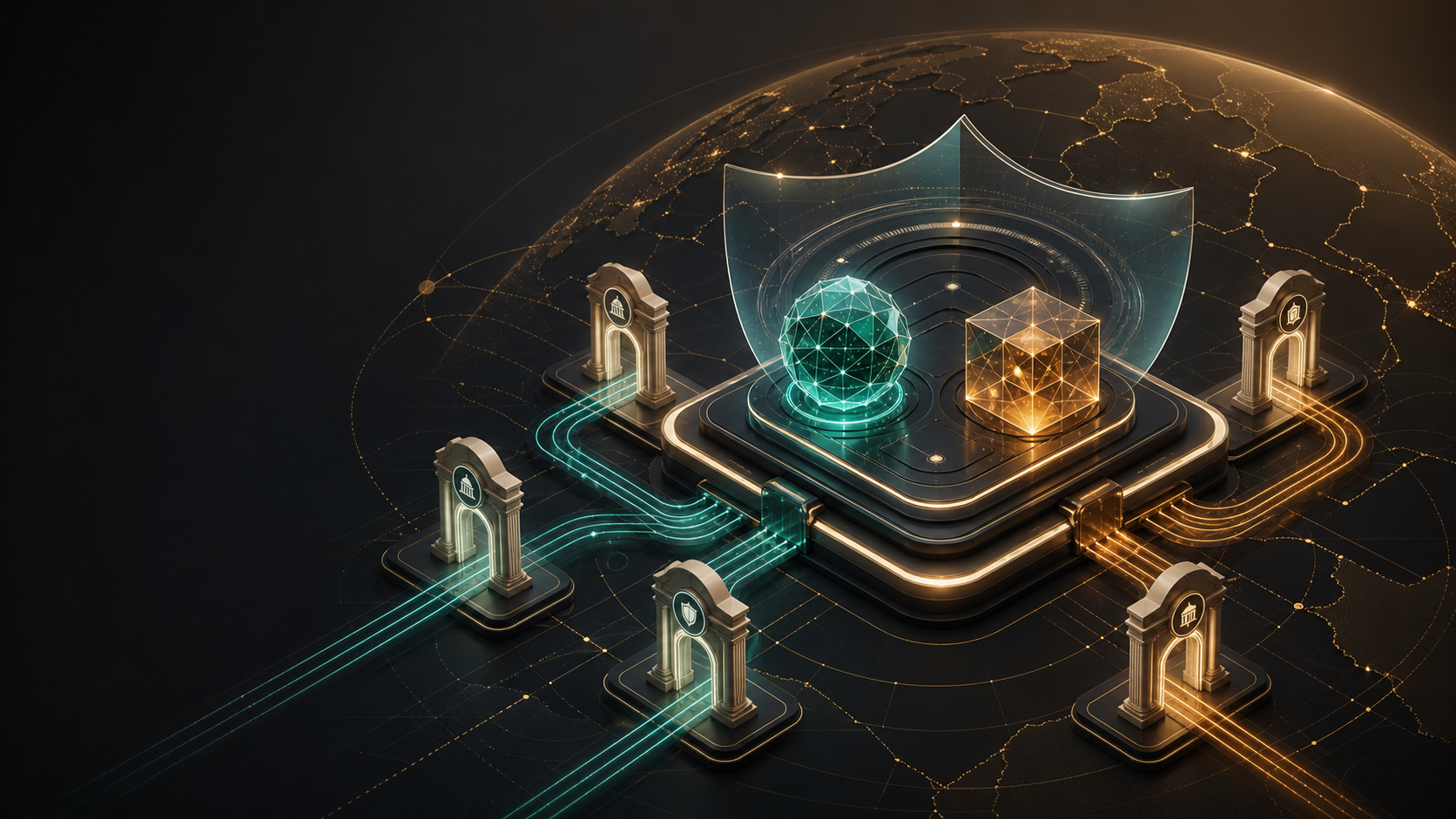
A deep GPT-5.6 vs Mythos 5 comparison across coding, agents, cybersecurity, biology, pricing, access, safety, and frontier AI strategy.