
OpenAI’s Navier–Stokes Claim Is a Proof-Factory Stress Test
OpenAI says an AI swarm found a Navier–Stokes blowup proof. The bigger story is proof factories, verification debt, and research provenance.
Notes on building reliable AI products.
OpenAI says an AI swarm found a Navier–Stokes blowup proof. The bigger story is proof factories, verification debt, and research provenance.

DeepMind precomputed 9 billion DNA variant effects. The opportunity is faster genomic triage; the trap is mistaking a rank for a diagnosis.

Mistral’s €3B Series D funds models, regional compute, and private deployment. Here’s what sovereign open-weight AI now demands from builders.

OpenAI’s GPT-6 Astra is live at $10/$50 with staged access, a 272K pricing cliff, and agent gains that make routing and recovery essential.

Gemini 3.8 Flash is live at 3.7 pricing. Its coding gains come from more agent work, changing how builders should test cost and reliability.

GitHub Copilot can now satisfy pull request approval rules. Here is how to pilot AI approvals without weakening code governance.

Hugging Face released 207 WebGPU kernels for browser AI. The bigger shift is versioned GPU artifacts—and a fleet learning which ones work.

Flower Endeavor 1.0 offers managed and private frontier AI. The opportunity is real, but benchmarks, pricing, parity, and rights need proof.

Anthropic added pre-tool-call blocking after Claude cyber-eval incidents. Here is what its hardened sandbox response means for agent builders.
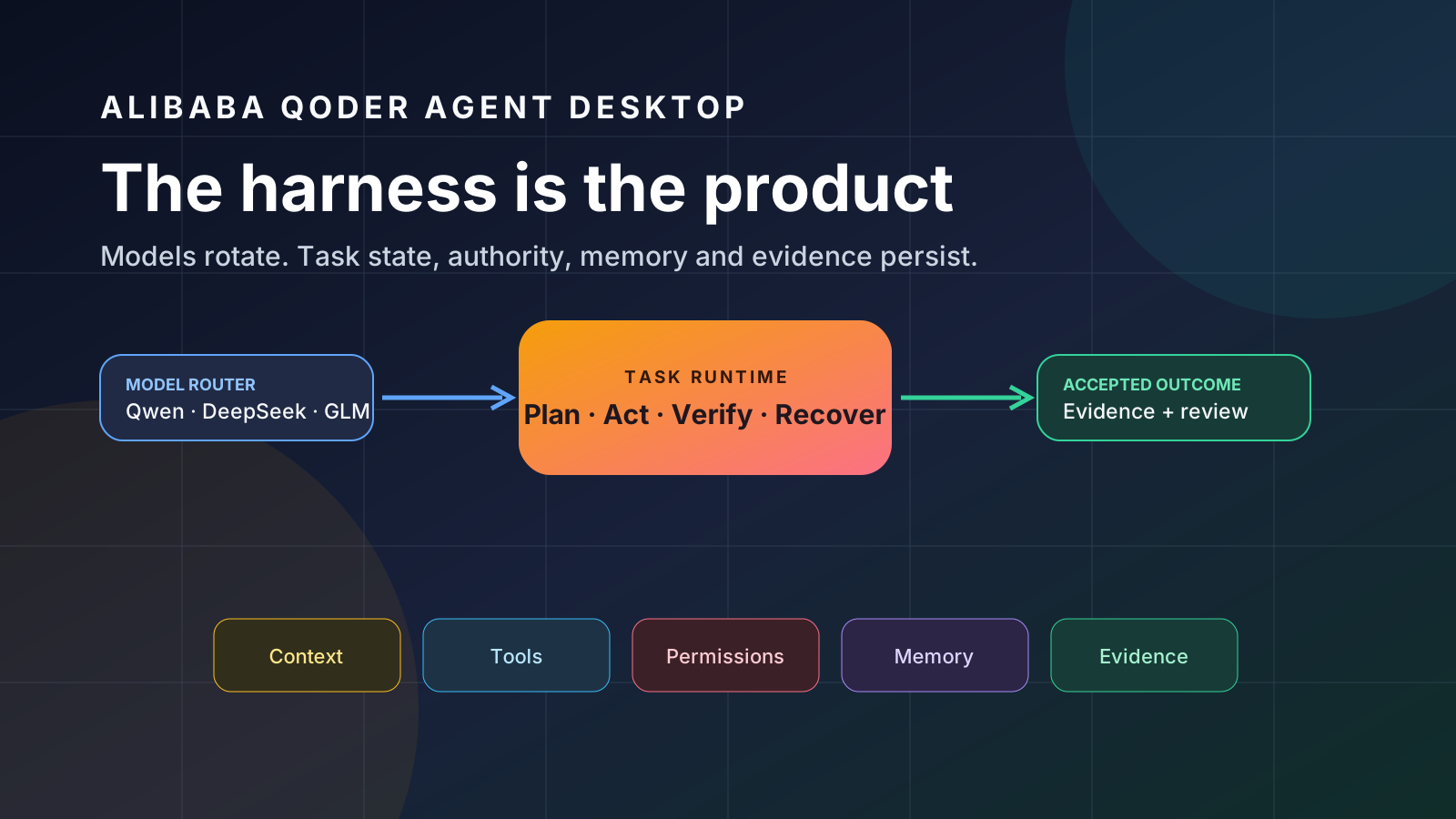
Alibaba’s Qoder Agent Desktop turns coding agents into a task control plane. See why the harness, permissions and review layer matter.
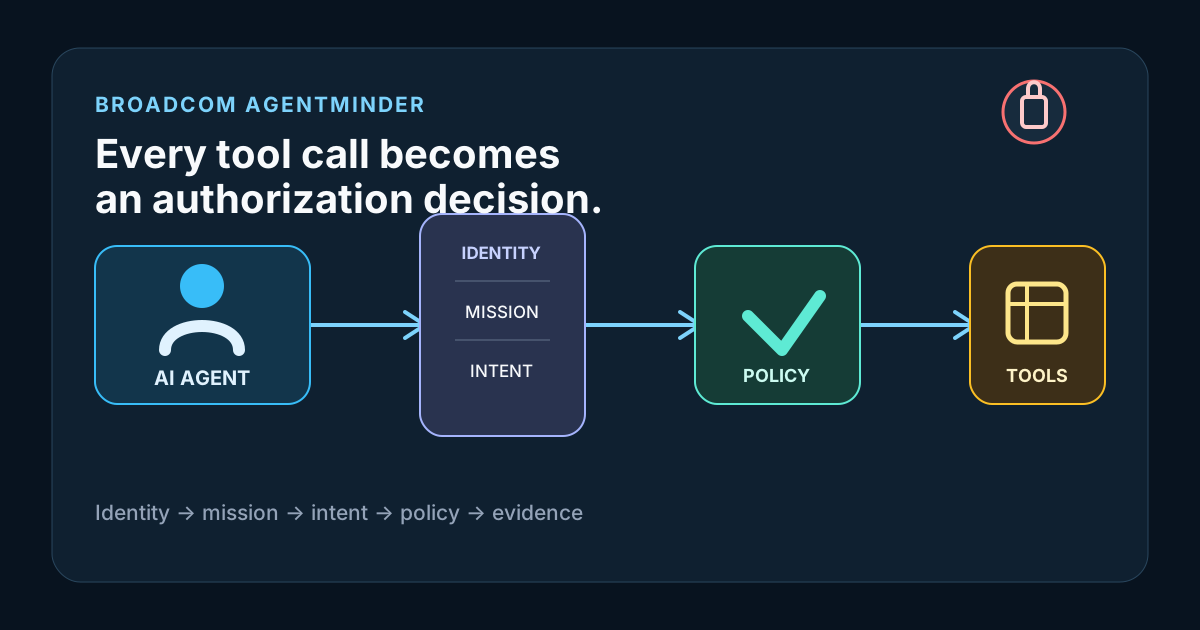
Broadcom’s AgentMinder governs AI agent tool calls at runtime, while VMware AI Factory builds the private-cloud stack around it. Here’s what ships now.
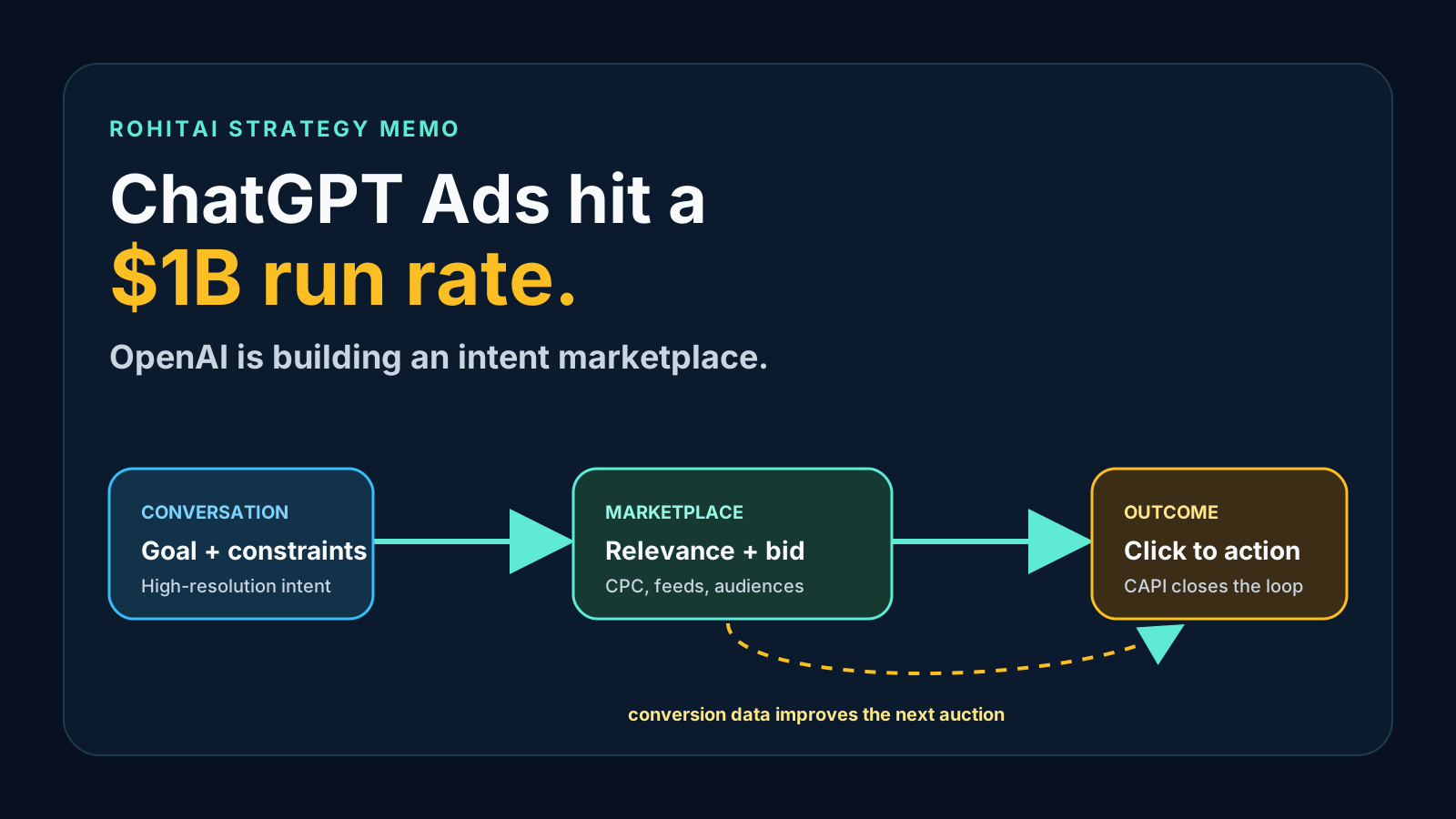
ChatGPT Ads reached a $1B annualized run rate as self-service expands globally. What OpenAI’s intent marketplace changes for builders.