SynthID Bio Gives AI Proteins a Mark, Not a Safety Certificate
Google DeepMind’s SynthID Bio watermarks AI-designed proteins. What the lab results prove, where detection falls short, and what builders should test.
Notes on building reliable AI products.
Google DeepMind’s SynthID Bio watermarks AI-designed proteins. What the lab results prove, where detection falls short, and what builders should test.
Six AI companies signed the White House accord. Its four oversight layers could reshape procurement—but control audits are not proof of safe deployment.
NVIDIA’s Kumo Tabular brings open prediction models to enterprise ML. The deployment test is context quality, calibration, licensing, and serving cost.
Meta’s Muse for Small Business expands agent workflows. What its connector platform means for SaaS distribution, owner time, permissions and real results.
OpenAI's DevDay Codex update joins cloud environments, a refreshed CLI, code review, and Security Cloud into one software delivery loop.
OpenAI's Decisions API, computer use, Bedrock agents, and Private Intelligence create a new stack for bounded, auditable autonomy.
ChatGPT Space brings Pages, teams, shared tasks, and agents into one workspace. Here is what changes for collaboration, permissions, and trust.
OpenAI DevDay 2026 delivered 25 announcements. Here is what is live, what remains in preview, and what builders should do next.
GPT-6.1 Sol halves cached-input pricing and nears Astra on OpenAI's tests. See benchmarks, context cliffs, Ultrafast, and migration advice.
OpenAI dots brings always-on Astra agents with cloud computers. See current availability, safety controls, privacy limits, and rollout advice.
OpenAI's plugin extensions, Sign in with ChatGPT, MCP Events, and Marketplace turn ChatGPT into a developer distribution layer.
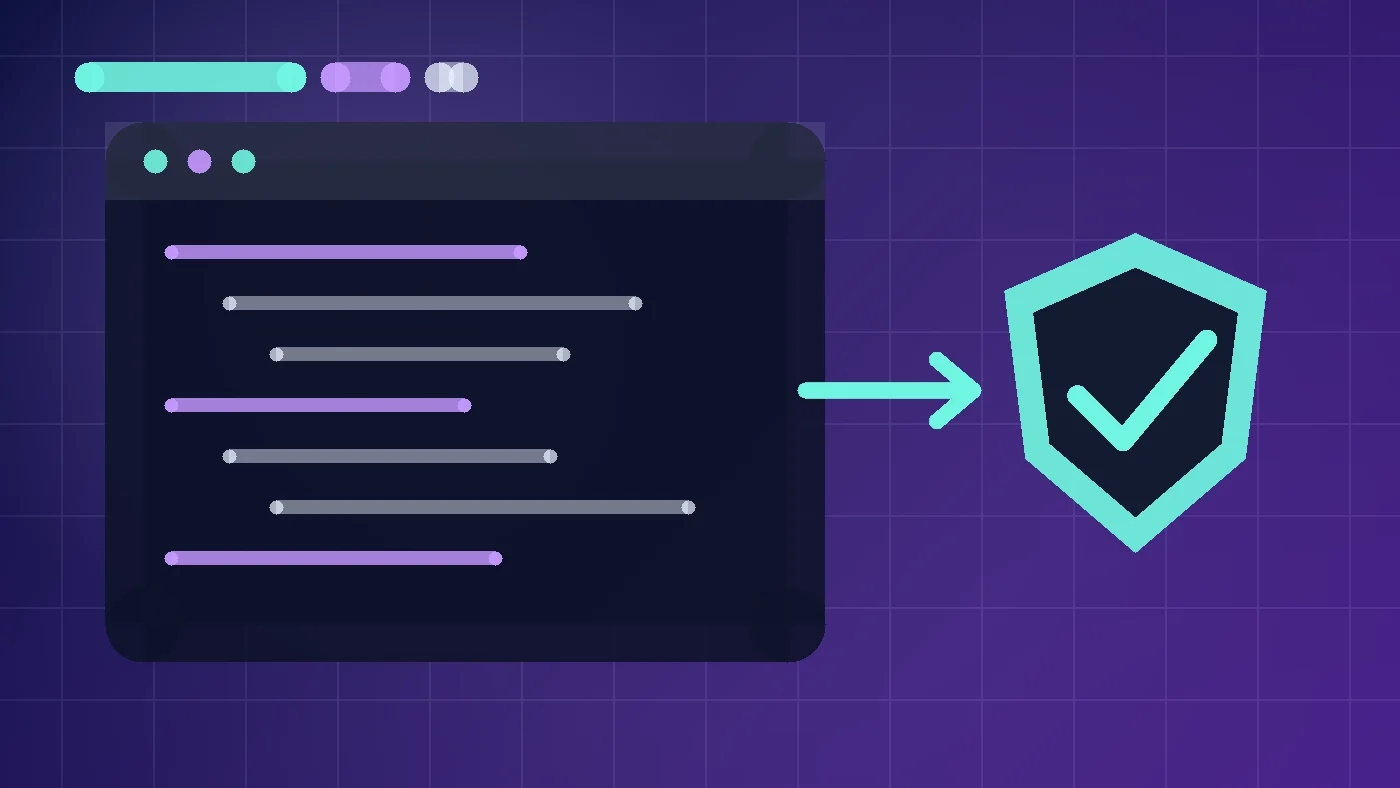
Claude Sonnet 5.5 keeps $2/$10 token pricing but changes tool use, thinking and session replay. A practical migration guide with effort-aware cost data.